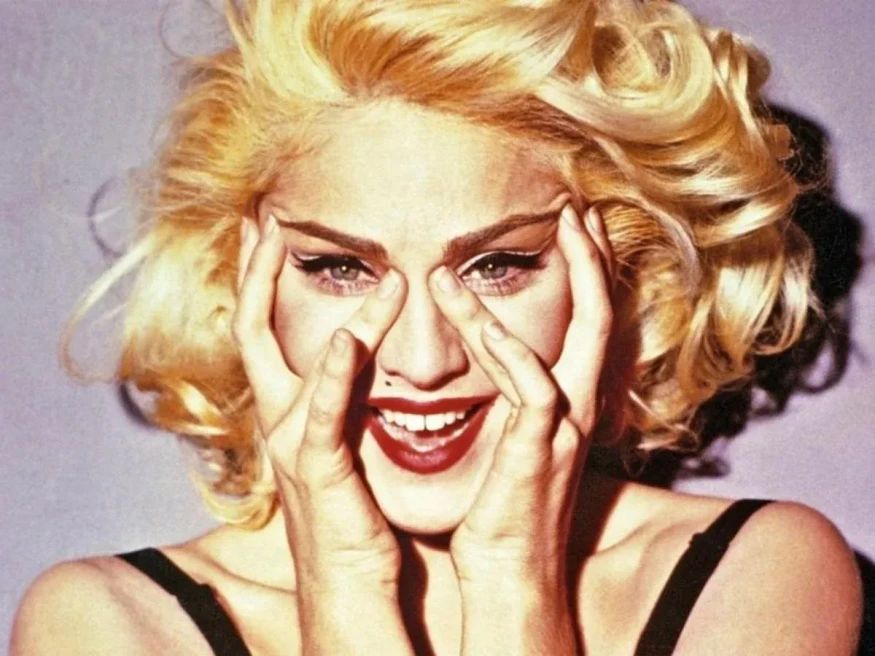
Two icons. Two legends. When Madonna and Michael Jackson crossed paths, the pop universe stood still. Behind the glamour and flashing cameras, their bond was a story of genius, loneliness, and mutual understanding — a rare connection between two souls who lived under the blinding lights of fame
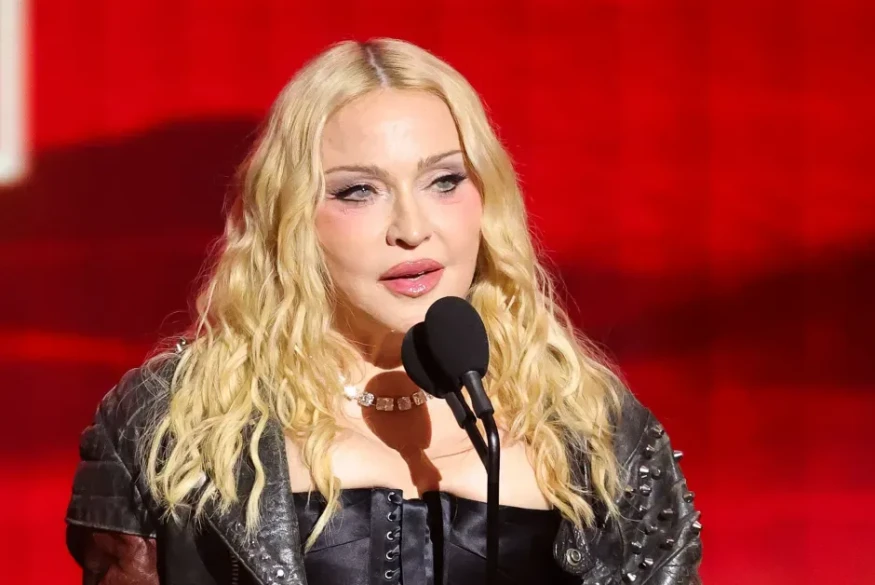
In the mid-1980s, Madonna was untouchable. From her punk roots in New York’s underground scene to global superstardom, she redefined what it meant to be a pop artist. She wasn’t just a singer — she was a movement. The raw energy of downtown clubs, the daring blend of disco and new wave, and her fearless attitude shaped a sound and image that made her the face of an entire generation.
By the time she signed with Sire Records, Madonna had already grasped that pop music wasn’t just about sound — it was about vision. With drum machines, synthesizers, and her magnetic charisma, she turned songs like “Like a Virgin” and “Material Girl” into cultural touchstones. Each hit carried a statement: freedom, rebellion, and unapologetic self-expression.
But behind the provocation and power, there was always a layer of vulnerability. Madonna, the global superstar, was also Madonna Louise Ciccone — a woman who knew what it meant to start from nothing. That grounded her in a world that often tried to consume its brightest stars. Her survival wasn’t luck; it was willpower.
During that same era, another artist stood on an equally divine pedestal — Michael Jackson. He was already the “King of Pop,” a perfectionist and prodigy whose career had redefined music itself. But with fame came isolation. And in that isolation, Madonna and Michael found each other.
Their connection wasn’t born out of publicity but out of empathy. Both had built empires, both carried the weight of global attention, and both knew how lonely that could feel. When they appeared together at the 1991 Academy Awards — hand in hand, dressed in coordinated glamour — the world gasped. It wasn’t just a red-carpet moment; it was the meeting of two galaxies.
Madonna would later describe their bond as quiet and deeply human. She saw in Michael a kindred spirit — someone gifted beyond measure, yet trapped in his own fame. “He was shy, so gentle, and had this sadness in his eyes,” she once recalled. “He wanted to laugh, to feel normal, but fame had stolen that from him.”
Where Madonna had known struggle before fame, Michael had never experienced a life outside the spotlight. Raised in the relentless machine of the Jackson 5, pushed by a demanding father, he had been a star long before he had a chance to be a child. That early loss of innocence, Madonna sensed, was the wound that shaped his entire existence.
Their friendship wasn’t without its mysteries. Behind closed doors, they reportedly shared long conversations about fame, love, and the cost of being extraordinary. Madonna once said she admired his vulnerability — that beneath the perfectionist and performer was a man craving connection.
In many ways, their stories mirror the two faces of pop stardom. Michael, the eternal boy wonder, was consumed by the enormity of his legend. Madonna, meanwhile, turned her own mythology into an armor. She reinvented herself with every decade, turning reinvention into survival — from the provocateur of the 1980s to the spiritual introspection of Ray of Light and the futuristic icon of today.
That’s perhaps why she endured where others faded. Madonna never stopped confronting herself. She wasn’t afraid to shock, to evolve, to fail in public, and rise again. Her art was her autobiography, her rebellion her religion. Through every controversy, she turned criticism into creativity.
Michael, on the other hand, was haunted by perfection — a burden that ultimately fractured the human beneath the icon. While Madonna wrote her story in real time, he became a tragic myth, frozen in the expectations of a world that demanded too much.
Yet their legacies remain intertwined — not through collaboration, but through reflection. They were the yin and yang of pop: light and shadow, strength and fragility, provocation and purity. Both reshaped music and culture, but in opposite ways — Madonna through reinvention, Michael through transcendence.
Even now, decades later, their influence is inescapable. Every pop star who dances on a global stage carries traces of their DNA — the glamour, the risk, the absolute belief that pop can be art.
And for Madonna, who continues to redefine herself at every turn, the secret to her longevity may lie in what she learned from those like Michael: that fame is fleeting, but authenticity endures.
She remains more than a singer, more than an icon. She’s a living manifesto of freedom — proof that you can bend culture, break rules, and still stand tall when the lights go out. From the sweaty dance floors of New York to the world’s grandest arenas, Madonna has made one thing clear: legends aren’t born. They are built — one reinvention at a time.