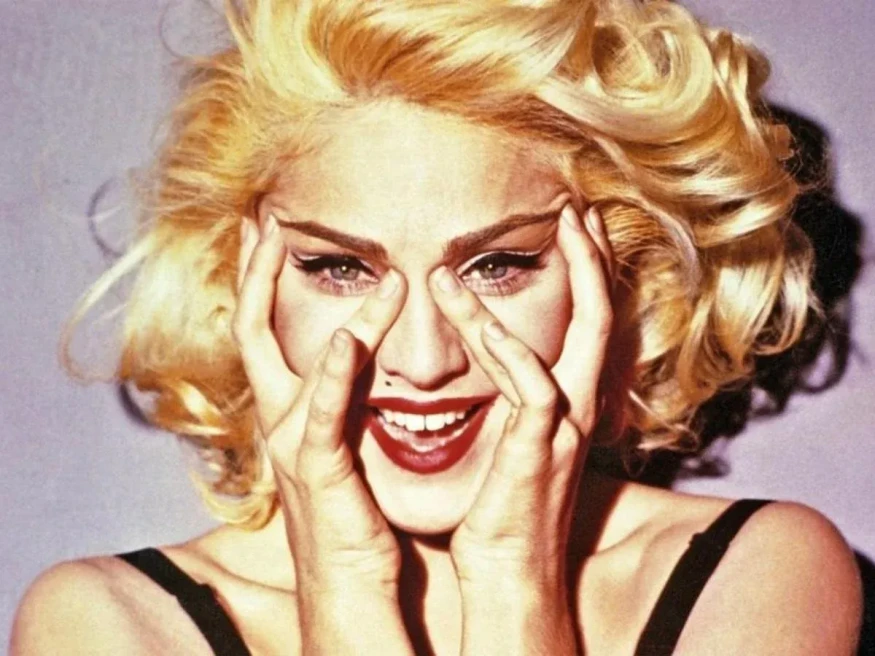
Madonna just reminded everyone why her voice still matters in pop culture. With a simple but loaded reaction to Harry Styles’ new song “Aperture,” she sparked conversation, emotion, and a fresh connection between pop generations—proving that influence doesn’t fade, it evolves.
When Madonna speaks, pop culture listens. This time, her presence in the spotlight did not come from a new release, a tour announcement, or a headline-grabbing appearance. Instead, it came from a gesture that felt simple on the surface but carried real weight. Madonna publicly shared her love for the new Harry Styles track “Aperture,” and in doing so, she reignited a familiar dynamic that defines her legacy: staying connected to the present without ever letting go of the past.
Her reaction instantly traveled across timelines, fan communities, and entertainment media. In a digital era where attention is fragmented, Madonna’s endorsement cut through the noise. It was not promotional in tone, not strategic in appearance, but personal. She made it clear that “Aperture” had become part of her daily listening, something she returned to again and again. That honesty transformed a casual mention into a pop culture moment.
Madonna has always been deeply aware of the music world beyond her own catalog. She observes trends, listens closely, and responds instinctively rather than formally. Her reaction to “Aperture” felt like a natural extension of that habit. By openly supporting Harry Styles, she highlighted a rare bridge between generations, one built on sound, emotion, and shared artistic language rather than competition.
What made the moment resonate even more was how clearly it reflected Madonna’s relationship with evolution. She has never positioned herself as a legacy act frozen in time. Instead, she has consistently moved alongside change, adapting while staying unmistakably herself. Her enthusiasm for “Aperture” reinforced the idea that curiosity keeps artists alive long after trends shift.
The song itself carries a mood that feels familiar yet modern. “Aperture” leans into rhythm, movement, and atmosphere, with a disco-inspired pulse that feels warm rather than nostalgic. That energy clearly struck a chord with Madonna, whose own history with dance-driven music is deeply woven into pop history. Her connection to that sound is not theoretical—it is foundational.
When Madonna responds to a track shaped by disco influences, it reads as recognition rather than coincidence. She helped define an era where rhythm and identity moved together, where music was meant to be felt as much as heard. Hearing her praise a song that taps into that same spirit gives “Aperture” an added layer of meaning, not as a throwback, but as a continuation.
What stands out is how present Madonna remains. She does not hover above the current music scene as a distant legend. She engages with it directly, listens actively, and shares what moves her. That approach keeps her voice relevant without forcing relevance. Her interaction with “Aperture” felt spontaneous, not curated, which is precisely why it resonated.
Social media played a key role in amplifying the moment. Madonna’s platforms function less like promotional tools and more like windows into her taste and mindset. When she shares music she enjoys, it feels personal, almost conversational. In this case, that openness allowed fans of both artists to intersect, creating a shared space where admiration flowed in both directions.
The response from listeners was immediate. Fans of Madonna welcomed the reminder that she remains deeply engaged with music itself, not just her own legacy. At the same time, followers of Harry Styles interpreted her support as a powerful nod of respect. In pop culture terms, these moments matter because they validate connection rather than hierarchy.
Madonna’s long history with disco and dance music adds depth to her reaction. Albums and eras built around movement, rhythm, and emotional release shaped her career. That background gives her praise a certain authority, not because it demands agreement, but because it comes from lived artistic experience. When she embraces a song like “Aperture,” it suggests a shared creative frequency.
Equally important is what this moment says about Madonna’s relationship with time. She refuses to belong exclusively to any single era. Instead, she moves fluidly between decades, engaging with new sounds while carrying the memory of what came before. Her response to Harry Styles reflects that balance—respecting evolution without abandoning identity.
The broader pop landscape is currently searching for that same balance. Audiences crave familiarity but also want freshness. Disco elements, rhythmic warmth, and emotional openness have resurfaced in modern pop, reshaped through contemporary production and perspective. Madonna recognizes this cycle because she has lived through several versions of it.
Her reaction to “Aperture” arrived at a moment when pop music is openly blending eras. Rather than resisting that blend, Madonna embraces it. She understands that influence is not about control, but about conversation. Her public appreciation adds to that dialogue rather than closing it.
At the same time, Madonna remains active in shaping her own narrative. Reissues, special projects, and curated releases continue to highlight different sides of her career. She is not retreating into nostalgia, but revisiting her history with intention. That ongoing activity reinforces why her opinions still carry cultural weight.
What makes her support of “Aperture” particularly effective is its simplicity. There was no grand statement, no formal announcement. Just a clear expression of enjoyment. That authenticity is rare in a space often driven by strategy. It reminds audiences that music can still be shared because it feels good, not because it serves an agenda.
In pop culture, moments like this act as quiet connectors. They link artists, audiences, and eras without forcing comparison. Madonna did not position herself above Harry Styles, nor did she frame him as an heir. She simply listened, enjoyed, and shared. That gesture speaks volumes.
As reactions continued to unfold, the moment took on a life of its own. Discussions about influence, disco revival, and generational dialogue followed naturally. None of it felt manufactured. It emerged because Madonna’s relationship with music has always been genuine.
The image of Madonna listening to a new track on repeat captures something essential about her legacy. She engages with music as a listener first, an artist second. That mindset keeps her grounded and curious, two qualities that explain her lasting relevance.
In a fast-moving culture where trends appear and disappear overnight, Madonna remains a steady presence. Her support of new music is not a performance, but a habit rooted in love for sound and expression. As long as she continues to listen, respond, and share, she will remain part of the ongoing pop conversation.
By embracing “Aperture,” Madonna once again demonstrated that pop culture is not about age or era, but about connection. She moves comfortably between past, present, and future, leaving traces of influence wherever she goes—and reminding everyone that true icons never stop listening.