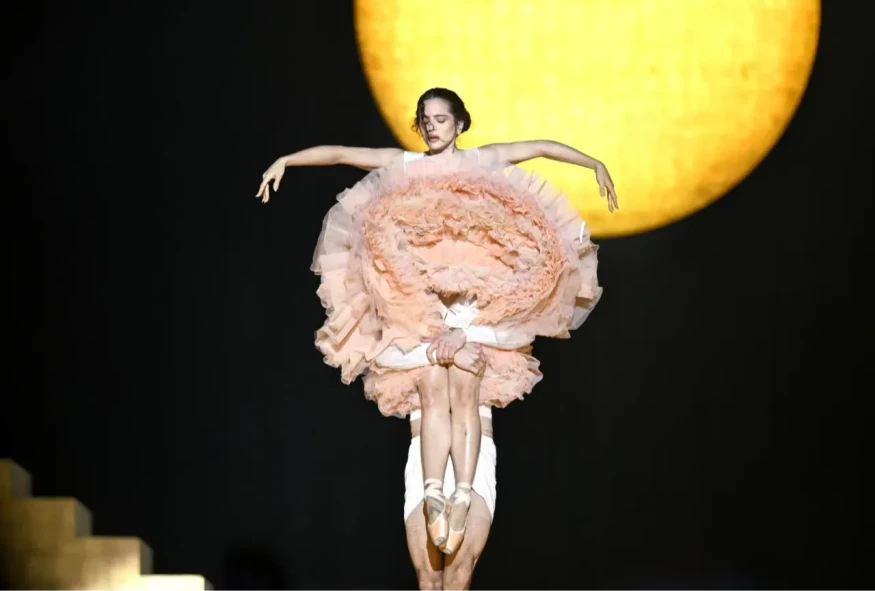
Rosalía delivered one of the most ambitious performances of her career at Madison Square Garden, transforming the iconic New York venue into a breathtaking fusion of music, ballet, flamenco, opera and theatrical storytelling. As the LUX Tour arrived in the United States, the Spanish superstar presented a spectacular artistic vision that blurred the lines between concert, performance art and immersive cultural experience.
Some concerts impress because of their production. Others stand out because of their musical power. Then there are performances that remain unforgettable because they create an entire artistic universe. Rosalía’s appearance at Madison Square Garden firmly belonged to the latter category. The Spanish artist delivered one of the most visually ambitious and emotionally layered live experiences of the year, transforming one of the world’s most legendary venues into a stage where contemporary pop met fine art, theatre and personal storytelling.
The LUX Tour had already generated significant attention since its launch in Lyon earlier this year. Yet its arrival in New York carried particular significance. Madison Square Garden remains one of the ultimate milestones in a performer’s career, and Rosalía approached the evening not as another tour stop but as an opportunity to fully showcase the scope of her creative vision.
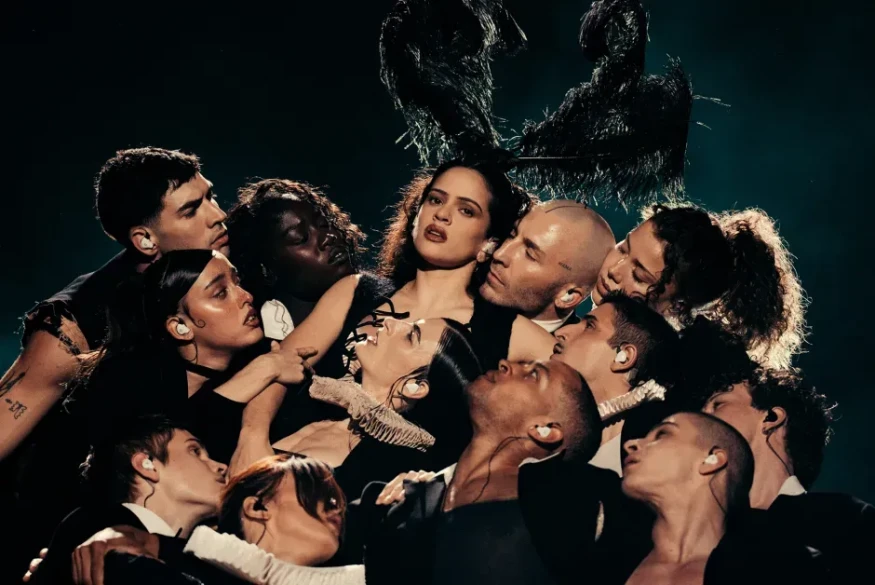
From the opening moments, it became clear that the audience was not about to witness a conventional pop concert. Rosalía emerged through a dramatic stage installation that resembled a contemporary art exhibit more than a traditional concert entrance. The reveal immediately triggered an eruption from the packed arena and established the tone for everything that followed. Elements of ballet, performance art and large-scale pop spectacle blended seamlessly into a visual language that defined the entire production.
The show's aesthetic relied heavily on the contrast between grandeur and intimacy. Throughout the evening, Rosalía moved between imagery inspired by religious iconography, classical painting, Spanish flamenco traditions and modern electronic culture. Despite the diversity of influences, the production never felt fragmented. Instead, every visual element contributed to a cohesive narrative centered on transformation, vulnerability and human connection.
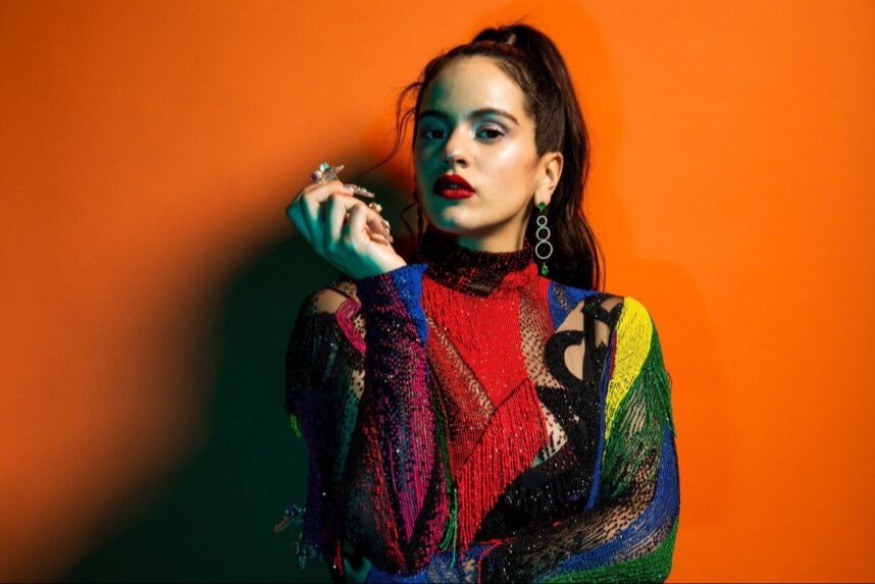
Costume design played a crucial role in shaping that narrative. Each wardrobe change functioned as more than a fashion statement; it became a chapter in the unfolding story. Early performances featured silhouettes inspired by ballet and classical dance, while later sections introduced darker and more dramatic visual themes. Through these transformations, Rosalía used fashion as an extension of her musical expression, guiding the audience through an experience that often felt cinematic in scale.
One of Rosalía’s greatest strengths as a performer is her ability to balance spectacle with intimacy. Despite the enormous production surrounding her, she repeatedly found moments to connect directly with the audience. One of the evening’s most emotional highlights came when she spoke about her relationship with New York and reflected on her earliest visits to the city.
The singer recalled performing in front of small audiences more than a decade ago, long before becoming one of the most influential figures in modern global pop. Standing before a sold-out Madison Square Garden, she reflected on that journey with visible emotion. The contrast between those early performances and her current status resonated deeply with the crowd, transforming the moment into a celebration of artistic perseverance and growth.
The emotional weight of the evening was amplified by recent events in Rosalía’s personal life. The singer had previously postponed several North American dates due to a family matter, explaining publicly that loved ones must always come first. That experience seemed to influence the atmosphere of the performance, adding additional depth to songs centered on love, loss, loyalty and resilience.
Another memorable moment arrived with a surprise appearance by Maggie Rogers during one of the production’s theatrical interludes. The collaboration provided a playful contrast to some of the evening’s more symbolic and dramatic sequences. The audience responded enthusiastically, highlighting Rosalía’s talent for balancing artistic seriousness with genuine entertainment.
Musically, the performance explored a wide range of material from across her catalog. A live orchestra added new dimensions to familiar songs, transforming several tracks into cinematic compositions. Flamenco influences coexisted alongside electronic production, orchestral arrangements and contemporary pop melodies. The result was a soundscape uniquely suited to Rosalía’s artistic identity and one that few contemporary performers could execute so convincingly.
One of the most visually striking sequences occurred during her performance of “Can’t Take My Eyes Off You.” Rosalía appeared framed within a massive golden structure resembling a living work of art. The image quickly became one of the most discussed moments of the night on social media. Her interpretation of the classic song emphasized vulnerability and emotion, offering a fresh perspective on a composition that has already passed through countless artistic generations.
As the evening approached its conclusion, the production delivered one final visual revelation. Aerial camera footage exposed the full stage configuration, revealing a massive illuminated cross stretching across the arena floor. The image reinforced many of the religious and symbolic themes woven throughout the show and provided a dramatic conclusion to the performance’s overarching narrative.
The moment sparked immediate discussion online, with fans praising the ambition of the visual design and the thoughtfulness behind the production’s symbolism. Rather than relying solely on technological spectacle, the show consistently used imagery to support deeper thematic ideas.
The Madison Square Garden performance ultimately reinforced a broader truth about Rosalía’s artistic evolution. She is no longer simply a successful pop star. She has emerged as a multidisciplinary creator who treats music as only one element within a much larger artistic framework. Her concerts function as immersive experiences where sound, visual art, fashion, dance and storytelling become inseparable.
The LUX Tour feels less like a traditional concert series and more like a traveling multimedia exhibition. Every element appears carefully designed to support a unified vision while still allowing room for spontaneity, emotion and genuine audience connection.
By the time the final lights faded inside Madison Square Garden, it was clear that attendees had experienced something beyond a standard arena show. Rosalía had transformed one of the world's most famous venues into a space where contemporary pop could coexist with theatre, classical art and personal expression. It was a performance that demonstrated not only the scale of her ambition but also the depth of her artistic imagination.