After more than a decade apart, Oasis’ reunion with Live ’25 wasn’t a spontaneous miracle — it was a meticulously planned comeback that took over a year of secret preparation, proving that the Gallagher brothers still know how to make history
Oasis have officially reclaimed their throne. The Live ’25 world tour not only revived the heartbeat of Britpop but also unveiled a behind-the-scenes story worthy of a rock legend. With 41 sold-out shows, stunning visuals, and an emotional onstage reunion between Liam and Noel Gallagher, the tour became a global phenomenon — one that, as it turns out, had been quietly in the works for more than a year.
According to the band’s longtime video director Jon Shrimpton, preparations for Live ’25 began 14 months before the public announcement. Behind the massive LED screens, pyrotechnics, and perfectly timed guitar intros was a complex operation shrouded in secrecy. While the media continued to speculate about the brothers’ ongoing feud, the team was already building one of the most ambitious tours in modern music history.
The reunion was not just emotional — it was strategic. Every statement, interview, and cryptic tweet from Liam and Noel over the past two years was part of a carefully choreographed silence, designed to heighten anticipation before the reveal. Fans believed the brothers hadn’t spoken in over a decade, when in fact, the comeback had already been agreed upon months earlier.
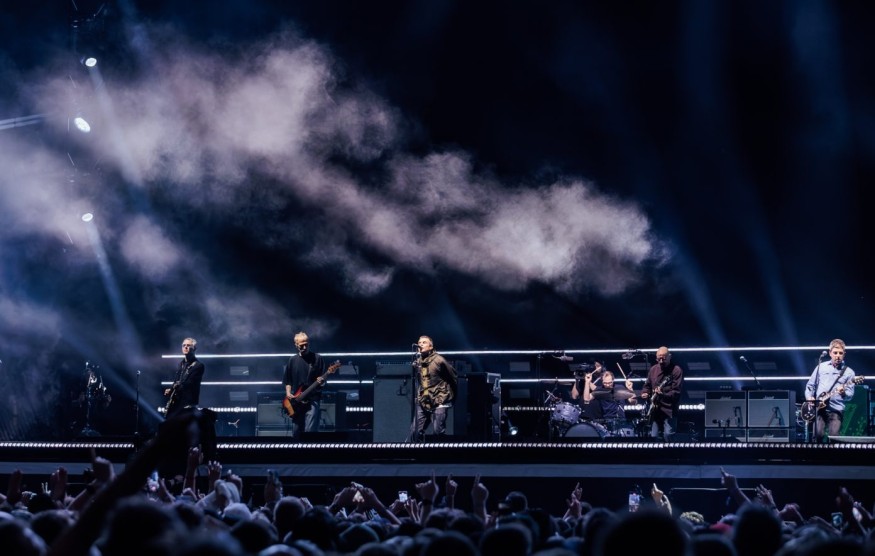
When Oasis Live ’25 was finally announced, it sparked a cultural explosion. Tickets sold out within minutes in cities like Manchester, London, Cardiff, and Tokyo. The shows — spread across five continents and 142 days — were more than concerts; they were generational reunions. At each venue, tens of thousands of voices joined in unison for timeless anthems like “Wonderwall”, “Don’t Look Back in Anger”, and “Live Forever.”
The production itself was historic. At Manchester’s Heaton Park, the stage featured 84-meter-wide LED screens — the largest ever used for a live concert in the UK. Every performance combined cinematic visuals with raw emotion, delivering what Shrimpton described as “a career-defining experience.”
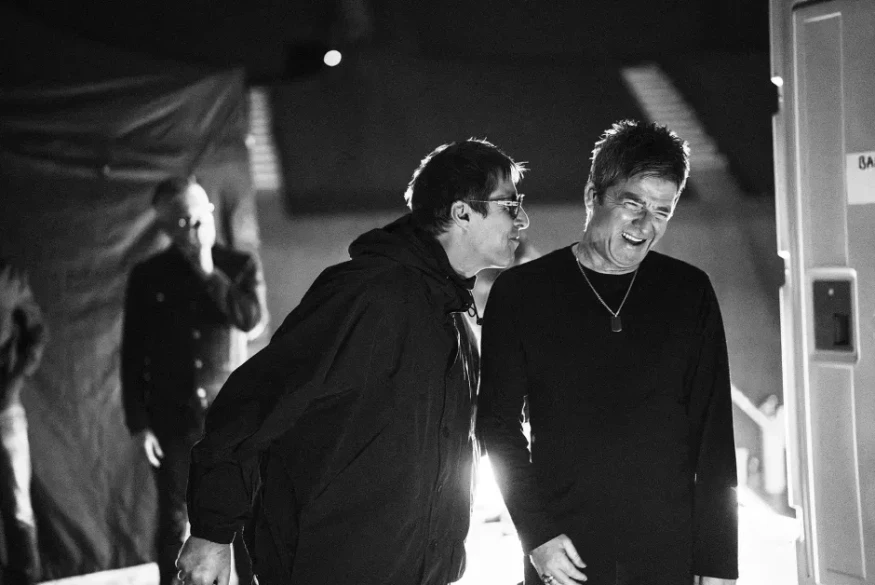
The emotional highlight came on the final night in São Paulo, Brazil. As fireworks illuminated the sky, Liam and Noel embraced on stage for the first time in over 15 years. The moment, captured by fans worldwide, symbolized the closure of one of music’s most turbulent sibling rivalries — and perhaps, the beginning of a new chapter.
After the final encore, Liam addressed the crowd with a grin:
“We’ll see you soon. This isn’t the end.”
Within days, he returned to Twitter (or X) with teasing messages about “more classics to play” and “a massive European run.” Rumors quickly spread about potential 2026 shows at Wembley, Etihad Stadium, and even a long-awaited return to Knebworth, the site of the band’s legendary 1996 concerts.
Noel’s daughter, Anaïs Gallagher, later called Live ’25 “the greatest year of my life,” describing the emotional intensity of seeing her father and uncle share the stage again. For the band, crew, and fans alike, the tour was more than a series of concerts — it was a collective act of healing, nostalgia, and rebirth.
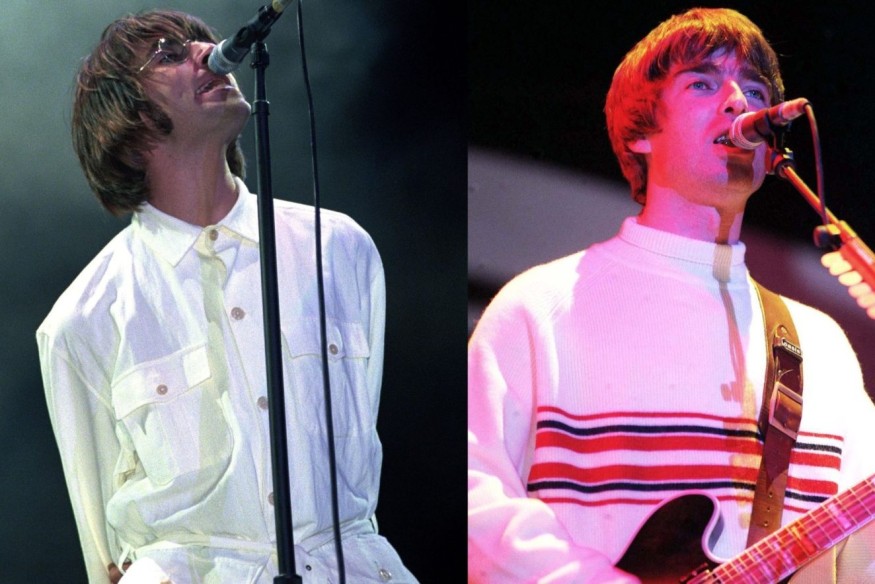
The Oasis story has always been one of tension and triumph. From their explosive rise in the 1990s to their bitter split in 2009, the Gallagher brothers’ relationship has defined not only their music but an entire generation’s spirit. With Live ’25, they reminded the world that no feud can silence the power of connection — especially when that connection is written in timeless songs.
Today, as the Britpop icons take a short “reflective break,” the industry and their fans know one thing for certain: Oasis are far from done.
The music that defined a generation has never sounded more alive.