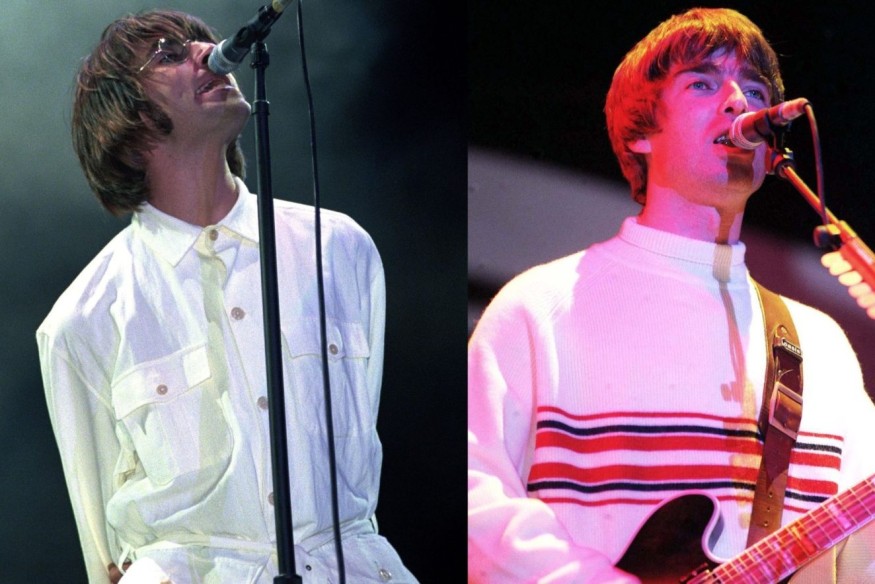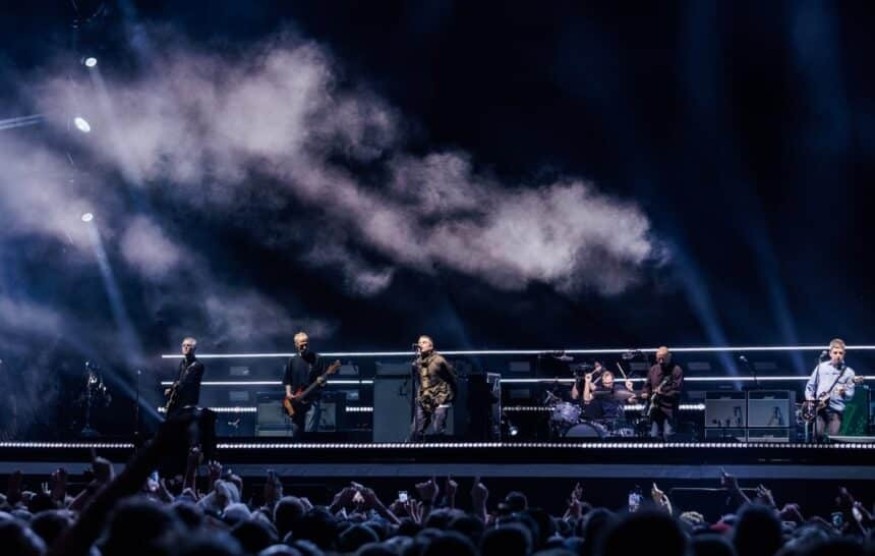
More than a decade after their split, Oasis proved that true legends never fade. With over 1 million albums sold in 2025 — and no new record since 2008 — the Britpop icons reignited the spirit of the ’90s through their epic reunion tour “Oasis Live ’25,” uniting generations of fans worldwide
Oasis have once again reminded the world why they remain one of Britain’s most beloved bands. Despite not releasing any new material for 17 years, the Gallagher brothers’ reunion and the overwhelming success of the Oasis Live ’25 tour sent their back catalog soaring — surpassing 1 million album sales in 2025 alone.
The feat, confirmed by the British Phonographic Industry (BPI), is a testament to the band’s enduring power. Classics like (What’s The Story) Morning Glory? and Time Flies… 1994–2009 re-entered the charts, with the latter becoming the fourth best-selling album of the year. For many, it wasn’t just nostalgia — it was a rediscovery of a band that once defined an entire cultural moment.
When Oasis announced their comeback in August 2024, it instantly became one of the most anticipated events in modern music history. Ticket demand reached unprecedented levels: over 10 million fans from 158 countries queued online to grab seats for their long-awaited live shows. The tour kicked off in Cardiff on December 19, 2025, in an atmosphere of pure euphoria — part celebration, part emotional homecoming.
The Oasis Live ’25 tour wasn’t just a concert series. It was a pop-cultural event — a moment of unity for generations who grew up with “Wonderwall,” “Champagne Supernova,” and “Don’t Look Back in Anger.” Across 41 shows on four continents, the band filled stadiums with over a million fans, culminating in a spectacular final performance in São Paulo, Brazil.
Founding guitarist Paul “Bonehead” Arthurs returned to the lineup for the first time in 15 years, giving the reunion an emotional edge. For fans, seeing Liam and Noel share the same stage again was more than nostalgia — it was redemption.
The comeback had a profound ripple effect. Music streaming platforms reported a 600% spike in Oasis plays following the reunion announcement, while vinyl sales of Morning Glory reached their highest since 1997. Younger audiences discovered the band through social media, TikTok, and documentaries, turning the Gallagher brothers into icons for a new generation.
Critics described the tour as “a cultural awakening.” The NME called it “a euphoric resurrection of British rock at its rawest and most human,” while Rolling Stone praised the group’s ability to “turn decades of tension into timeless chemistry.”
For the Gallagher brothers, the reunion was as personal as it was professional. After years of public feuds and separate careers, they found a fragile but powerful common ground. Their on-stage connection — sometimes silent, sometimes explosive — became part of the show’s emotional heartbeat.
During the Wembley concerts, Liam reportedly turned to Noel after performing “Live Forever” and said, “We were meant to do this, weren’t we?” It was a rare moment of warmth between two artists whose creative tension once fueled their greatest songs.
The Oasis phenomenon of 2025 became more than a comeback — it was a reminder of why music still matters in an age of algorithms and short attention spans. Fans across generations sang together, tears in their eyes, in stadiums from Manchester to Melbourne. For many, it felt like reclaiming a piece of history.
Although no official album has been announced, rumors of new material are circulating. Noel Gallagher recently teased that “nothing’s off the table,” while Liam’s cryptic social media posts have fans convinced that “something’s coming.” Whether it’s a studio project or another tour, one thing is clear — the world is ready.
What makes the Oasis story so powerful is its authenticity. Their success in 2025 wasn’t driven by marketing, but by emotion — by the timeless bond between a band and its audience. Even after decades apart, Oasis managed to turn nostalgia into renewal, proving that genuine connection never fades.
Their 1 million album milestone is more than a statistic. It’s a reflection of how great songs endure — how they become part of people’s lives, memories, and dreams. In an era of fleeting hits, Oasis stand as proof that real music, sung with heart and conflict and love, never grows old.
As fans still chant their lyrics across continents, one thing feels certain: Oasis didn’t just return. They reminded the world what rock ’n’ roll is supposed to feel like.