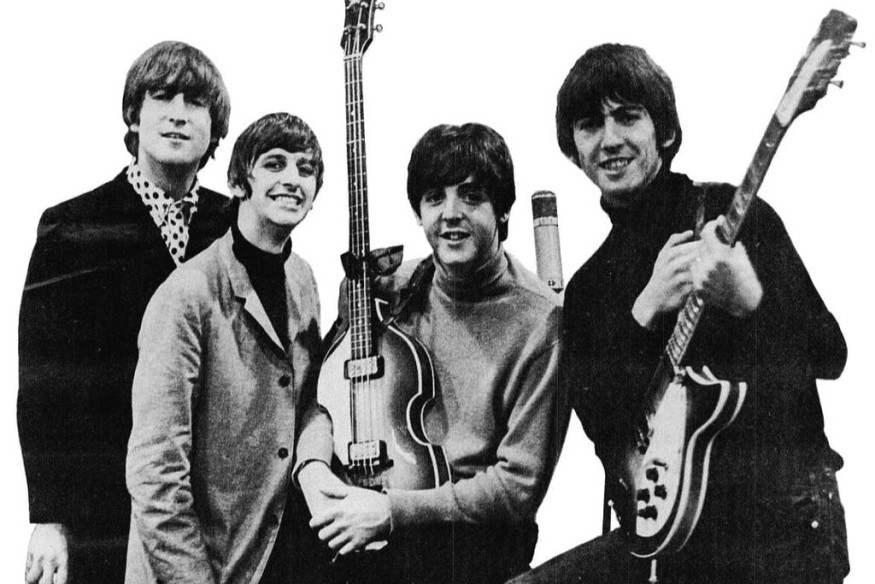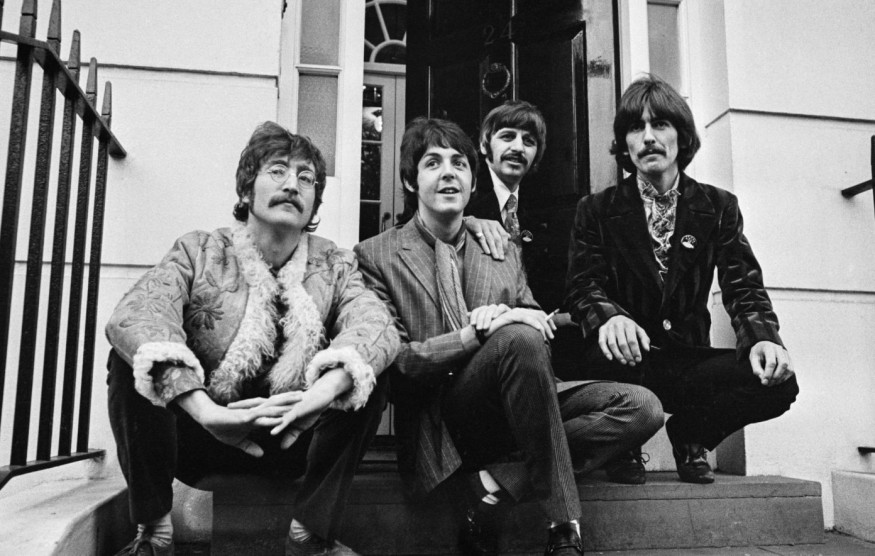
Six decades after their debut, The Beatles remain not just music legends — but one of the most profitable brands in entertainment history, with Apple Corps proving that their legacy is as powerful in business as it is in art
The Beatles continue to define the intersection of culture, music, and commerce. More than sixty years after their formation, the band’s influence shows no signs of fading — not only artistically, but financially. Their company, Apple Corps Ltd, remains one of the most lucrative music enterprises in existence, turning nostalgia into a billion-dollar business model.
Founded in 1968 by John Lennon, Paul McCartney, George Harrison, and Ringo Starr, Apple Corps was originally a creative experiment — a company designed to manage the Beatles’ artistic and financial ventures. Today, it operates as a global entertainment powerhouse overseeing everything from music rights and film productions to merchandising and branding partnerships.
According to recent financial reports, Apple Corps recorded £31.8 million in revenue for the fiscal year ending in January — up from £26.7 million the previous year — despite a modest dip in net profits from £5.1 million to £3.9 million. Each shareholder — Paul McCartney, Ringo Starr, Yoko Ono, and Olivia Harrison — reportedly received £850,000 in dividends, highlighting the company’s steady profitability even amid changing market conditions.
Beyond royalties, the band’s members and their associated companies earned an additional £4.3 million in image rights and promotional services. Combined with management expenses of £3.5 million, Apple Corps continues to balance artistry and business with masterful precision. The total owed to shareholders now exceeds £9.4 million, reflecting ongoing growth driven by renewed media projects and digital releases.
Apple Corps’ strength lies in its adaptability. What began as a tax-saving idea from the band’s accountants evolved into one of the most enduring corporate success stories in music history. Its scope has expanded far beyond records — encompassing film, licensing, merchandise, and now, cinematic storytelling.
The latest milestone in the Beatles’ business saga is the Sam Mendes-directed film anthology, announced for 2025. The ambitious project will tell the band’s story through four interconnected feature films, each from the perspective of one Beatle — with actors Paul Mescal, Barry Keoghan, Harris Dickinson, and Joseph Quinn bringing the Fab Four to life. It’s a creative gamble with major commercial potential, backed by Sony and Apple Corps.
Meanwhile, “Man on the Run,” the upcoming Paul McCartney documentary exploring his post-Beatles years, is set to premiere in 2026. The project adds to a wave of renewed Beatles interest sparked by the success of Get Back on Disney+ and the continued dominance of their remastered catalog on streaming platforms.
Financially, the numbers remain staggering. Paul McCartney — with an estimated net worth of over €1 billion — is the wealthiest musician in the world. Ringo Starr follows with €300 million, while the estates of John Lennon and George Harrison are valued at approximately €700 million and €600 million, respectively. These figures reflect not just past hits, but shrewd business management, licensing deals, and decades of cultural relevance.
The Beatles’ long-running collaboration with Cirque du Soleil for the Love show in Las Vegas stands as a symbol of this success. From 2006 to 2024, the production drew over 11.5 million attendees and generated more than €50 million annually, solidifying the Beatles’ position as both musical and theatrical icons.
Even their relatively late entry into streaming platforms in 2015 turned into a triumph. Their catalog remains among the most streamed of any classic rock act, with songs like Let It Be, Hey Jude, and Here Comes the Sun consistently appearing on global playlists. Meanwhile, merchandise sales — from apparel to limited-edition vinyl — continue to attract fans from every generation.
In 2025, The Beatles are more than a band — they are a cultural and financial ecosystem. Their brand unites generations, bridging art and entrepreneurship, sentiment and strategy. Apple Corps has proven that when art is managed with integrity and vision, it can transcend time, economy, and even mortality.
The Beatles didn’t just redefine music.
They redefined how music could live forever — as culture, as commerce, and as connection.