Nearly ten years after its release, Taylor Swift’s “Wildest Dreams” has crossed the one-billion-view mark on YouTube, turning a beloved era-defining video into a new milestone moment. The achievement reconnects pop nostalgia with today’s digital reality and highlights the lasting emotional pull of one of her most cinematic songs.
Almost a decade after it first appeared on screens around the world, Taylor Swift has once again found herself at the center of pop culture conversation. This time, the spotlight comes from a milestone that bridges generations, platforms, and eras. The official music video for Wildest Dreams has officially surpassed one billion views on YouTube, confirming that some moments in pop music do not fade with time, but quietly grow stronger.
There are songs that belong to a specific summer, a specific phase, or a specific memory. Then there are songs that stay with people long after trends move on. Wildest Dreams clearly falls into the second category. Reaching one billion views is not just about numbers; it is about longevity, emotional attachment, and the way a piece of music continues to find new life years after its debut.
Wildest Dreams was released in 2015 as part of the album 1989, an era that marked a turning point in Taylor Swift’s career. It was a period defined by confidence, reinvention, and a fully realized pop identity. While many tracks from that album became instant classics, Wildest Dreams stood out for its softer, more reflective tone. The song felt like a quiet pause in the middle of a bold pop statement, and that contrast made it unforgettable.
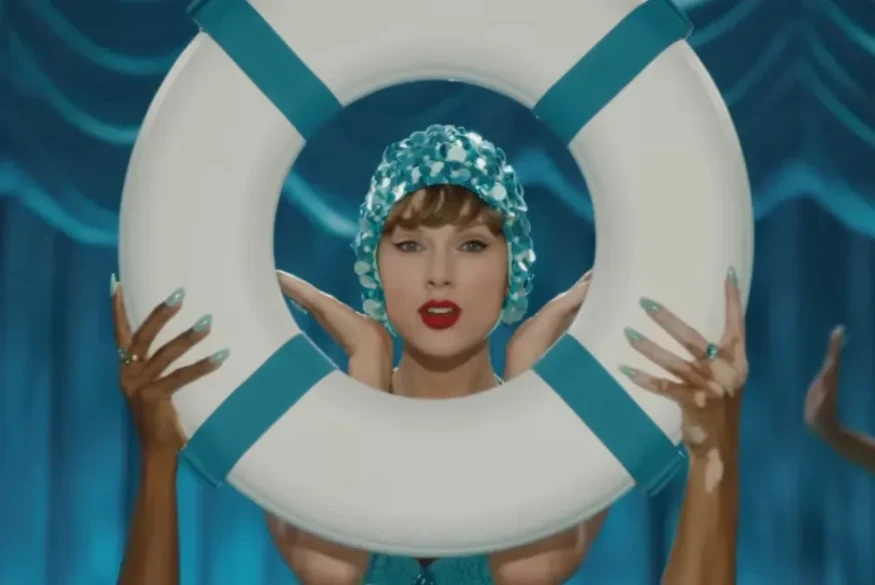
From the beginning, the music video played a huge role in shaping how the song was received. Rather than following typical pop video formulas, it leaned heavily into storytelling and atmosphere. The result felt closer to a short film than a standard clip, which helped it stand out even in an era filled with high-budget visuals.
Set against the backdrop of a fictional 1950s Hollywood film production, the video created a world built on romance, longing, and dramatic tension. Taylor Swift and actor Scott Eastwood portray two movie stars caught in an intense but fleeting love story, one that exists both on and off the film set. The blurred line between performance and reality becomes the emotional core of the video.
This cinematic approach is one of the main reasons Wildest Dreams continues to attract viewers. People do not just press play to hear the song. They return for the mood, the imagery, and the feeling of watching a story unfold. Every look, pause, and scene is designed to linger, making the video easy to revisit even years later.
The direction of the video played a crucial role in its success. Joseph Kahn, who collaborated with Taylor Swift on several iconic projects, helped bring a clear visual identity to the song. His work during the 1989 era helped define how pop visuals could feel both polished and emotionally driven. With Wildest Dreams, the focus was not spectacle for its own sake, but emotion wrapped in classic Hollywood fantasy.
Reaching one billion views places Wildest Dreams in a very selective category. Only a limited number of artists manage to achieve this milestone, and even fewer do so with videos released nearly ten years earlier. In a digital world where attention shifts rapidly, this achievement highlights how powerful storytelling can extend the life of a song far beyond its release window.
The timing of this milestone also adds to its meaning. Wildest Dreams reaching one billion views comes at a moment when Taylor Swift’s catalog continues to be rediscovered by new audiences. Younger listeners who were not part of the original 1989 era are finding these songs through playlists, social media clips, and streaming platforms. At the same time, longtime fans return to them with a sense of nostalgia that feels earned rather than forced.
Another element that adds depth to the video’s legacy is the message revealed at the end. The video’s closing credits note that its proceeds were donated to wildlife conservation efforts in Africa. This detail gave the project a purpose beyond entertainment and added an unexpected layer of meaning that many viewers still remember.
Wildest Dreams also benefits from its emotional simplicity. The lyrics focus on fleeting love, memory, and the fear of being forgotten. These themes are universal and timeless, which helps explain why the song continues to resonate across different stages of life. The video amplifies that emotion without overexplaining it, allowing viewers to project their own experiences onto the story.
For Taylor Swift, this milestone is another reminder of the lasting power of the 1989 era. That album is now widely considered one of the most influential pop records of the last decade. Wildest Dreams plays a key role in that legacy, representing the softer, more introspective side of an otherwise bold and confident era.
The success of the video also reflects consistency. This is not the first time Taylor Swift has reached one billion views on YouTube, and that pattern matters. It shows that her connection with audiences is not tied to one viral moment, but built across years of storytelling, music, and emotional honesty.
Scott Eastwood has previously spoken about the video and how unexpected the experience was at the time. While some questioned the choice initially, the finished result became one of the most recognizable music video collaborations of the decade. Their on-screen chemistry remains one of the most talked-about aspects of the video.
In today’s pop landscape, visuals often feel disposable, designed to capture attention for a short moment before being replaced by the next release. Wildest Dreams stands apart from that cycle. It was created with care, intention, and patience, which allowed it to age gracefully rather than quickly.
The one-billion-view milestone also reflects how music consumption has changed. Viewers no longer rely solely on radio or television. They actively search, revisit, and share moments that matter to them. Wildest Dreams continues to appear in recommendations and playlists because people keep choosing it.
This achievement is not just about celebrating the past. It highlights how certain creative decisions continue to pay off years later. By investing in storytelling and emotional depth, the video created a lasting bond with its audience.
For fans, the milestone feels personal. Many associate the song with specific memories, relationships, or phases of life. Reaching one billion views feels like a shared moment, a collective reminder of why the song mattered in the first place.
Wildest Dreams now joins a short list of music videos that have crossed into true digital history. Its success is not driven by shock value or trends, but by emotion, mood, and atmosphere.
Nearly ten years after its release, the video continues to move quietly through pop culture, finding new viewers and welcoming back old ones. It stands as proof that when music and visuals come together with honesty, they can outlive any era.
The one-billion-view mark does not feel like an ending for Wildest Dreams. Instead, it feels like another chapter in a story that refuses to fade, continuing to exist wherever people look for music that feels real, emotional, and timeless.