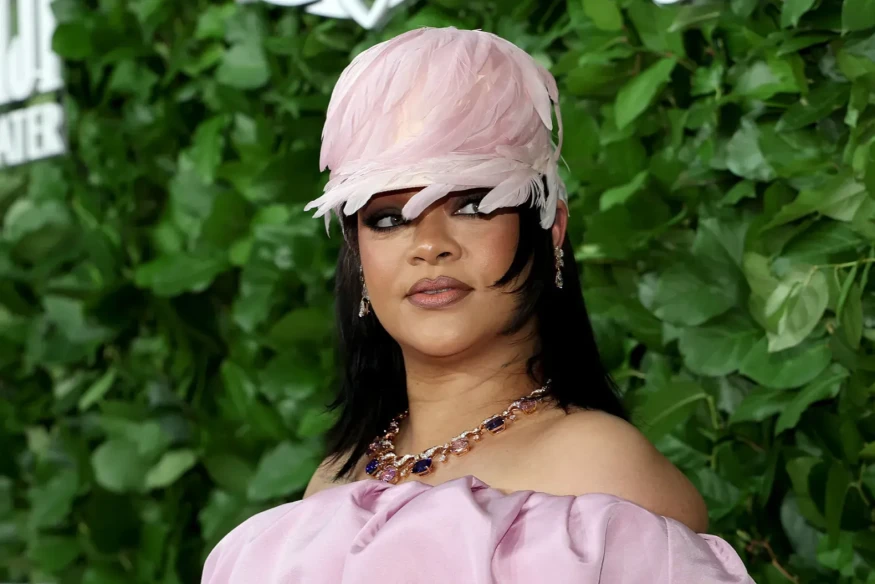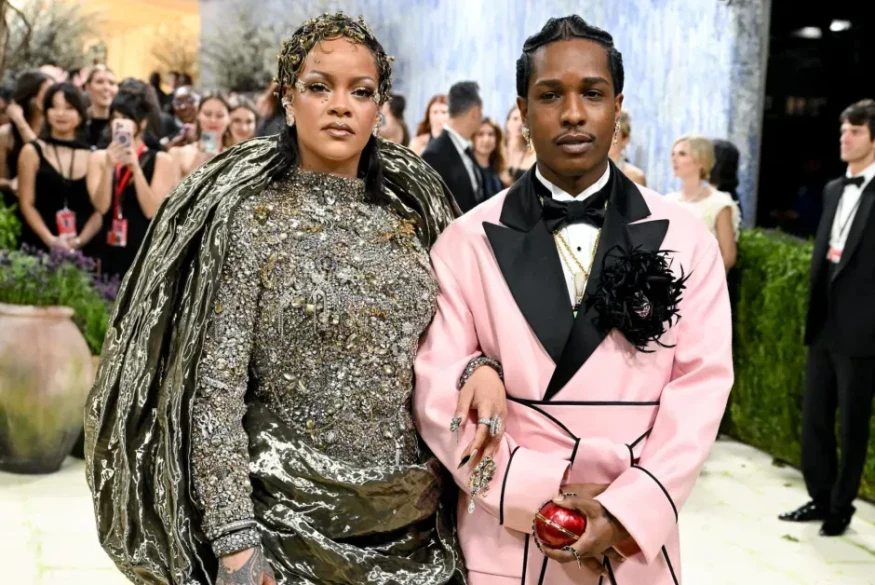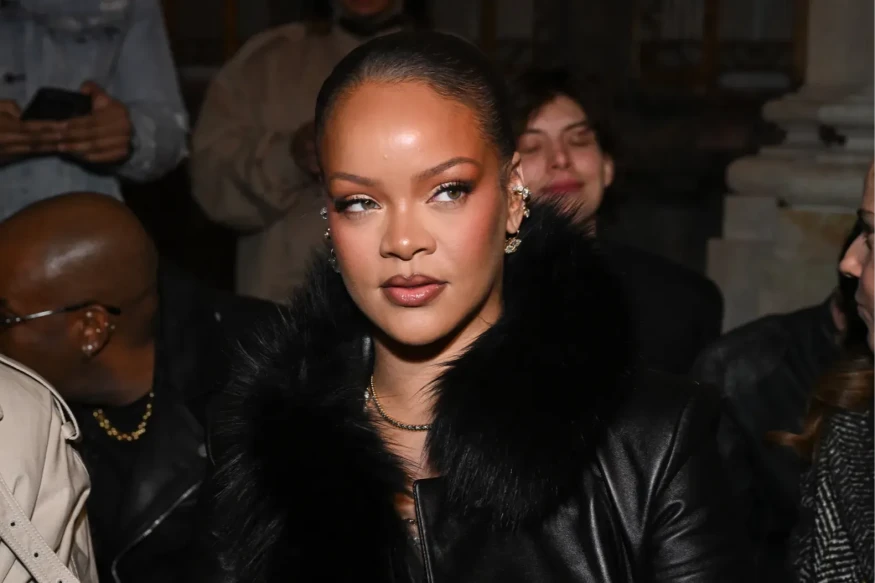
Rihanna makes history by surpassing 200 million combined sales and streams in the U.S., proving the enduring power of her catalog nearly a decade after her last album.
Rihanna continues to redefine what longevity looks like in the modern music industry. According to data from the Recording Industry Association of America, she has officially surpassed 200 million combined units across sales and streams in the United States, becoming the first female artist to reach this milestone.
What makes this achievement particularly striking is the context behind it. Rihanna has not released a full studio album since 2016, meaning this record is driven almost entirely by the sustained performance of her existing catalog rather than a recent commercial surge. In an era dominated by fast-moving releases and short-lived hits, her numbers reflect something far more difficult to achieve: consistency over time.
Tracks like “Umbrella,” “We Found Love,” “Diamonds,” and “Don’t Stop the Music” continue to generate massive streaming figures year after year. These songs have effectively transitioned from chart-toppers into evergreen staples, embedded in playlists, radio rotations, and cultural memory. The result is a catalog that functions as a self-sustaining engine of consumption.
The methodology behind the milestone also highlights its scale. The Recording Industry Association of America calculates certifications using a hybrid model where 150 streams equal one unit sale. Reaching 200 million units under this system indicates not just historical success, but ongoing, high-volume engagement from listeners.
Despite this achievement, Rihanna currently sits third among all artists in total units, behind Drake and Morgan Wallen. However, unlike both, she has not relied on a steady stream of recent releases to maintain her position — a distinction that reinforces the narrative of catalog-driven dominance.
Her absence from traditional album cycles has not equated to complete musical inactivity. In recent years, she contributed “Lift Me Up” to the Black Panther: Wakanda Forever soundtrack and has remained selectively present through collaborations and performances. Still, the core of her influence remains rooted in her past work.
At the same time, anticipation for her next album continues to build. Rihanna has openly acknowledged the pressure surrounding new material, emphasizing her intention to release something that reflects her artistic growth rather than rushing a project to meet expectations. This careful approach may explain the delay — but it also amplifies the impact her eventual return is expected to have.
Her milestone underscores a broader shift in how success is measured in today’s music landscape. Beyond debut numbers and chart peaks, longevity and repeat consumption have become critical indicators of impact. In this context, Rihanna stands as a case study in how a well-established catalog can outperform even the most aggressive release strategies.
Ultimately, the 200 million mark is more than a statistic. It is a reflection of cultural permanence — the ability of music to remain relevant across years, platforms, and audiences. And in that regard, Rihanna is operating in a category that few artists, regardless of era, manage to reach.