More than three decades after its release, “Wonderwall” continues to find new life far beyond the world of music. Following England’s victory over Croatia at the 2026 FIFA World Cup, thousands of supporters turned the Oasis classic into a powerful stadium singalong. Watching from afar, Noel Gallagher embraced the moment, declaring that the song now belongs to the people and supporting the idea of it becoming England’s unofficial anthem for the tournament.
The scenes from the stadium quickly spread across social media and international news outlets. After England secured a memorable victory against Croatia, supporters remained in the stands long after the final whistle, singing “Wonderwall” in unison. Players stood facing the crowd, many joining in with the chorus, while the usual divide between athletes and fans seemed to disappear completely. For a few minutes, football and music merged into a single shared experience that captured the emotional spirit of the World Cup.
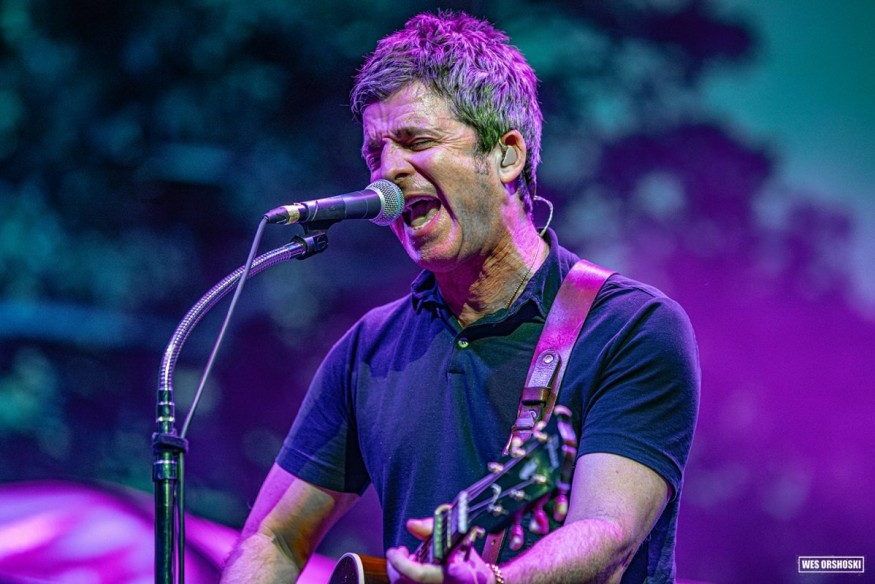
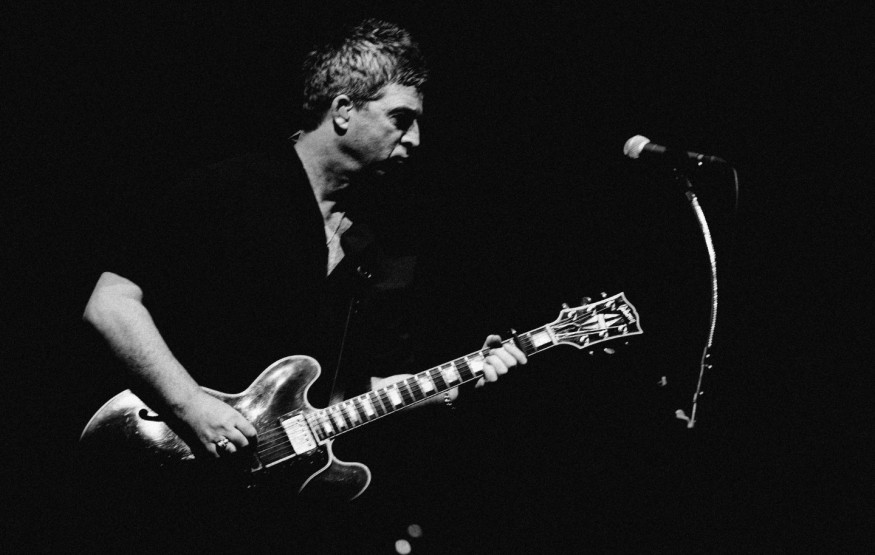
For Noel Gallagher, the moment carried special significance. The Oasis songwriter and co-creator of one of Britain’s most iconic songs reacted warmly to the videos circulating online, expressing his approval of the track’s new role within England’s football culture. Rather than viewing the song as solely part of the band’s legacy, Gallagher emphasized that it now belongs to everyone who has embraced it over the years. In his view, “Wonderwall” has become something larger than Oasis itself.
Released in 1995 as part of the landmark album (What’s the Story) Morning Glory?, “Wonderwall” grew into one of the defining songs of the Britpop era. Although it never reached the top position on the UK singles chart, it became one of the most recognizable songs in modern British music history. Its combination of emotional vulnerability, unforgettable melody and universal appeal allowed it to transcend generations, remaining a staple of radio, live performances and public gatherings for more than thirty years.
What makes its World Cup emergence particularly fascinating is the fact that the movement happened entirely organically. No official campaign promoted the song as a football anthem. No marketing team selected it as part of a tournament strategy. Instead, supporters adopted it naturally, turning it into a soundtrack for celebration and unity. In an era dominated by carefully planned branding exercises, the spontaneous nature of the phenomenon gives it an authenticity that resonates with fans and players alike.
England captain Harry Kane described the singalong as one of his favorite moments representing the national team at a major tournament. Speaking after the match, he highlighted the emotional connection between the players and supporters, noting that experiences like this remind the squad of the immense importance of fan support. Midfielder Declan Rice echoed those sentiments, describing the atmosphere as something truly unforgettable. For the players, victories are measured not only in results but also in the memories created alongside the supporters who travel across the world to follow them.
Gallagher’s enthusiasm is hardly surprising given his lifelong relationship with football. The musician has been one of Manchester City’s most visible celebrity supporters for decades and has often spoken about the powerful connection between music and sport. Songs by Oasis have become staples at football stadiums around the world, but “Wonderwall” occupies a particularly unique position. Its emotional resonance, communal spirit and instantly recognizable chorus make it perfectly suited for mass participation, allowing thousands of people to sing together regardless of age or background.
The timing also coincides with renewed global interest in Oasis following the band’s highly publicized reunion. The return of the group has introduced their music to a new generation while reconnecting longtime fans with songs that helped define the 1990s. Many younger supporters singing “Wonderwall” inside World Cup stadiums were not even born when the song was originally released. Yet its ability to inspire collective emotion remains remarkably unchanged, demonstrating the enduring power of truly timeless music.
The story also highlights the deep historical connection between British music and English football culture. From “Three Lions” to songs by Oasis and the Beatles, music has long played an essential role in shaping the atmosphere surrounding England’s national team. Football supporters have consistently adopted songs that capture a sense of identity, optimism and togetherness. “Wonderwall” now appears to be adding its own chapter to that tradition, becoming associated with a new generation of fans experiencing major tournament success.
Beyond the sporting context, the phenomenon speaks to the broader cultural impact of the song. Few tracks manage to transcend their original purpose and become woven into the fabric of public life. “Wonderwall” has already spent decades appearing at weddings, parties, festivals and countless gatherings around the world. Its latest transformation into a football anthem reinforces its status as one of the defining songs of modern British culture.
As England continues its journey through the 2026 World Cup, “Wonderwall” seems likely to follow every step of the campaign. Whether it ultimately becomes the tournament’s unofficial anthem or remains a spontaneous expression of fan emotion, its presence has already created one of the most memorable musical moments of the competition. For Oasis, it remains one of the greatest songs they ever recorded. For England supporters, however, it may have become something even more meaningful: a song that unites generations through shared memories, collective emotion and a single voice rising from the crowd.