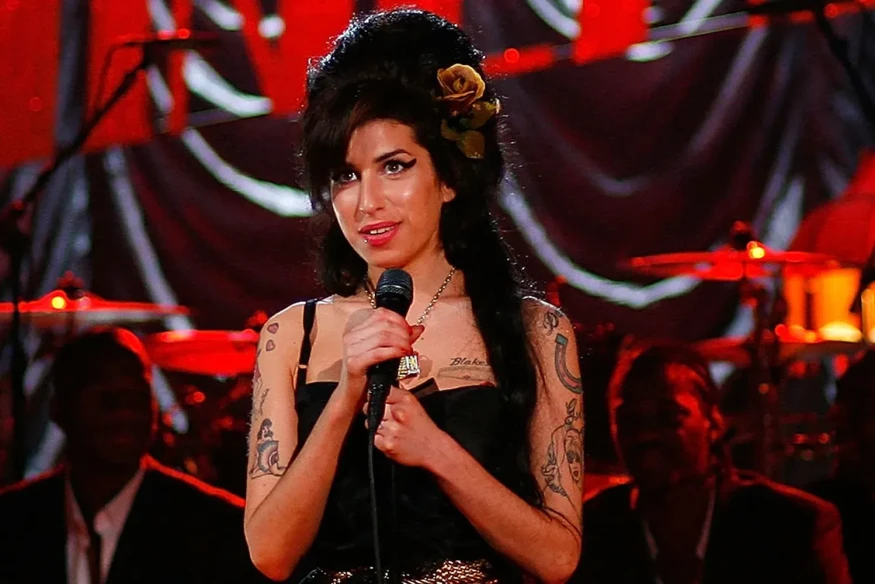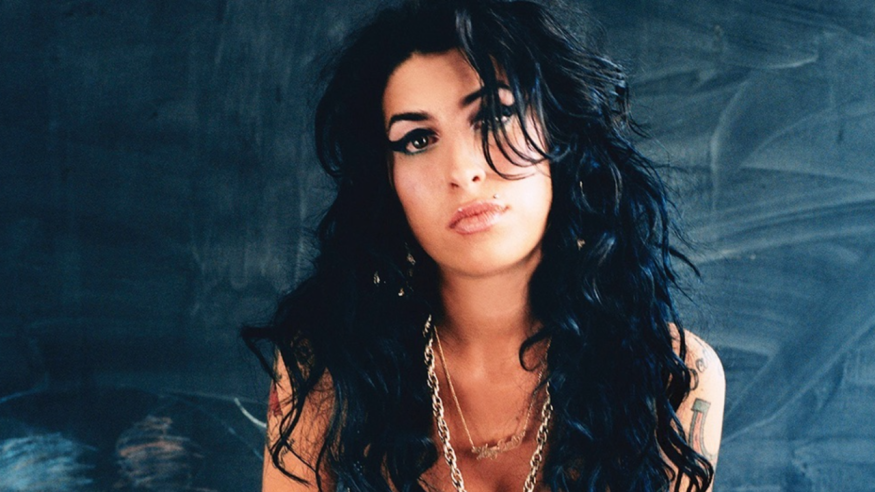
Amy Winehouse can be heard again in a previously unreleased 2007 interview recorded when she was 23 and “Back to Black” was changing her life. In the newly released audio, she speaks about feeling proud of the album, her fear of leaving no mark behind and her intense relationship with Blake Fielder-Civil, while one striking quote — “if I die tomorrow, it’s okay” — gains a very different meaning when heard in full context.
Amy Winehouse is being heard in a new way almost two decades after a 2007 interview was recorded and quietly left in an archive. The conversation, taped when she was 23 and still processing the sudden global success of “Back to Black,” has now been released for the first time, offering a rare chance to hear her speak before years of biography, tragedy and mythology changed the way almost every sentence of hers would later be interpreted.
Journalist Ariel Leve met Amy Winehouse in Los Angeles in May 2007, shortly after the singer married Blake Fielder-Civil and at a point when her career was accelerating fast. The interview was recorded but never published at the time because of a scheduling conflict involving another newspaper, leaving the audio unheard by the public until now.
The Sunday Times released the material on October 11, 2026, nearly 20 years after the original conversation. That timing is what makes the recording so unusual. This is not an old article being recycled or a quote pulled from a familiar profile. It is a piece of Amy Winehouse history that listeners are hearing for the first time.
One of the most striking moments comes when Amy Winehouse talks about success and what she once feared most. She explains that when she was younger, she worried deeply about dying without leaving anything behind. By 23, though, she felt she had already created something she could genuinely be proud of.
That sense of achievement was tied directly to “Back to Black.” Amy Winehouse knew she had made an album that reflected who she was and what she wanted to say. She spoke proudly about writing most of the songs herself and co-writing the rest, and there is a clear feeling in the interview that she believed she had finally made something that mattered.
Then comes the sentence that is impossible to hear today without feeling its weight. Amy Winehouse says that if she died the next day, it would be okay. On its own, the line sounds dark and almost impossible not to connect with what happened four years later.
But the full context changes the meaning. Amy Winehouse was not predicting her death, and there is no reason to present the comment as a wish to die. She was talking about creative fulfillment. Her point was that she no longer felt the same fear of disappearing without having made something important.
That distinction matters. With hindsight, it is easy to turn the line into something tragic or prophetic. In the original conversation, though, it sits inside a much more direct discussion about ambition, pride and the relief of feeling that she had already left a real mark through her work.
“Back to Black” was still a relatively new album at that point, but Amy Winehouse already spoke about it with a strong sense of ownership. She did not sound like someone waiting for other people to tell her whether the record mattered. She knew what she had put into it and seemed deeply satisfied with the result.
That confidence feels especially powerful now because of what the album became. “Back to Black” would go on to define Amy Winehouse’s legacy, influence a generation of singers and remain one of the most recognizable records of the 2000s. In May 2007, she could not have known the scale of that future.
The interview also moves far beyond music. A large part of the conversation centers on Blake Fielder-Civil, whom Amy Winehouse had married shortly before meeting Leve. She spoke about him with the kind of certainty and intensity that matched the emotional world of her songs.
Amy Winehouse said she wanted him to succeed in his own work as a screenwriter. She had already reached a major level of success and wanted the people around her to have something they could feel proud of too. The way she talks about that desire gives the conversation a more personal and generous side than the darker headlines usually associated with the relationship.
When asked whether she imagined the marriage lasting forever, Amy Winehouse gave another answer that sounds heavier now than it probably did in the room. She said she thought they would die together.
Again, context is important. The statement came from a 23-year-old newlywed speaking from inside an intense relationship. It was not a prediction. It was the kind of absolute language people sometimes use when they believe something completely in the moment.
Amy Winehouse and Blake Fielder-Civil eventually divorced in 2009. She died in July 2011 at the age of 27 from alcohol poisoning. Those later events naturally change how the 2007 comments feel, but they do not change what she meant when she originally said them.
That is one of the reasons the newly released interview works best when it is treated as a snapshot rather than a warning from the past. The temptation to read every line through the knowledge of her death is strong, but doing that can flatten the person speaking into a story she had not yet lived.
There are lighter sides of Amy Winehouse in the recording too. She is funny, quick, spontaneous and often dismissive of the more formal rituals surrounding fame. The conversation catches a young woman who already understood that her life had changed but still measured success mainly through songwriting, love and the people around her rather than through numbers or status.
That makes the audio particularly valuable now. Amy Winehouse has been the subject of documentaries, books, films, anniversary editions and endless commentary since her death. So much of her story has been told by other people that hearing her own voice from a previously unavailable conversation feels unusually direct.
The Sunday Times also featured the material through its podcast “The Story,” with Ariel Leve returning to the original meeting and explaining how the interview came about. The audio was recorded in Los Angeles at a moment when Amy Winehouse was moving rapidly from critical success into full international fame.
The sound of her voice adds something that a transcript cannot fully capture. Tone, pauses and timing all matter, especially with a sentence as loaded as the one about dying the next day. On the page, it can look final and dramatic. In conversation, it sits inside a much broader reflection about work, pride and what it means to feel that you have already made something worthwhile.
That is exactly why Amy Winehouse’s words should not be reduced to one quote. The interview is not only about death, and it is not only about Blake Fielder-Civil. It is also about a young songwriter recognizing that she had made the album she wanted to make.
At 23, Amy Winehouse was still living inside the moment that would later become the center of her legend. “Back to Black” had already changed her career, but she was not looking at it with the historical distance audiences have today. She was simply proud of it.
That pride may be the most revealing part of the interview. Amy Winehouse had spent years worrying that she might never leave behind anything that felt truly hers. By 2007, she believed she had done exactly that.
The recording also reminds listeners how easily later events can reshape older words. Once a public figure dies young, almost everything they said beforehand can start to sound like a clue. Ordinary emotional language suddenly feels prophetic, even when it was never intended that way.
With Amy Winehouse, that effect is especially strong because her songs were already so personal and because her struggles later became part of the public story around her. The danger is that the real person gets lost beneath the mythology.
This interview offers a way back around that. Amy Winehouse is heard before the story has an ending, before the documentaries and films and years of analysis. She sounds like someone living through a huge career moment and trying to understand what it means while it is still happening.
She talks about love with certainty, work with pride and fame with a kind of casual resistance. She talks about wanting the people close to her to succeed. And she talks about the relief of knowing she had already created something she believed in.
Nearly two decades later, the line about dying tomorrow naturally lands differently. But the real value of the lost interview comes from resisting the urge to turn it into a warning. Amy Winehouse was not narrating her own ending. She was describing the satisfaction of a 23-year-old artist who felt she had already made something honest, personal and lasting.