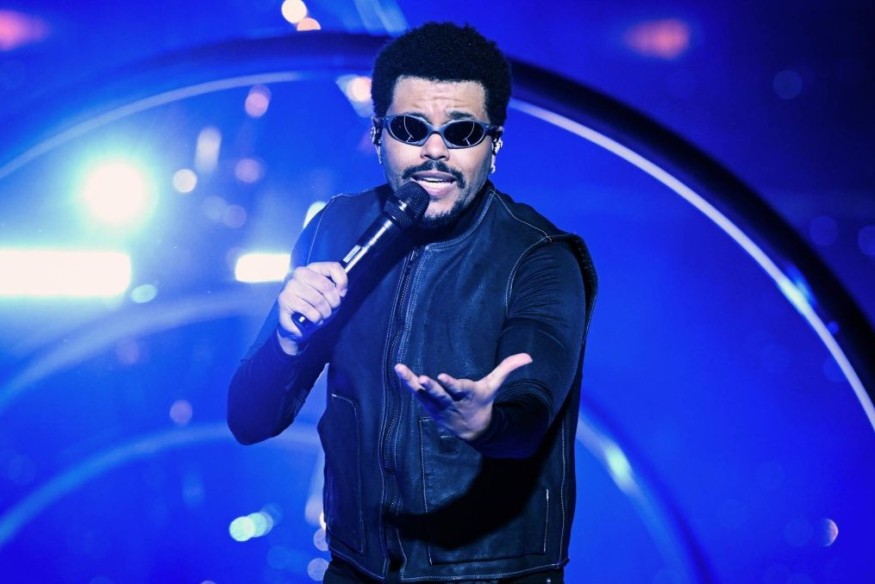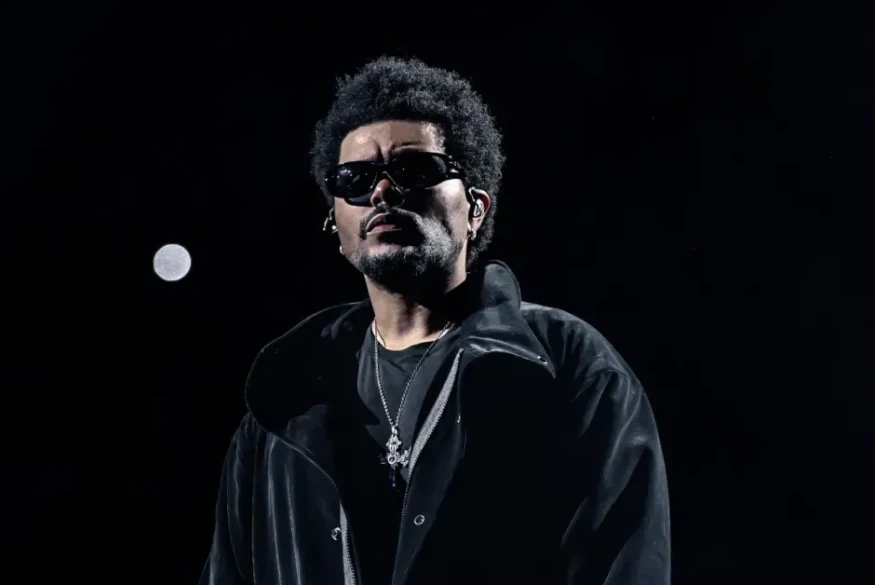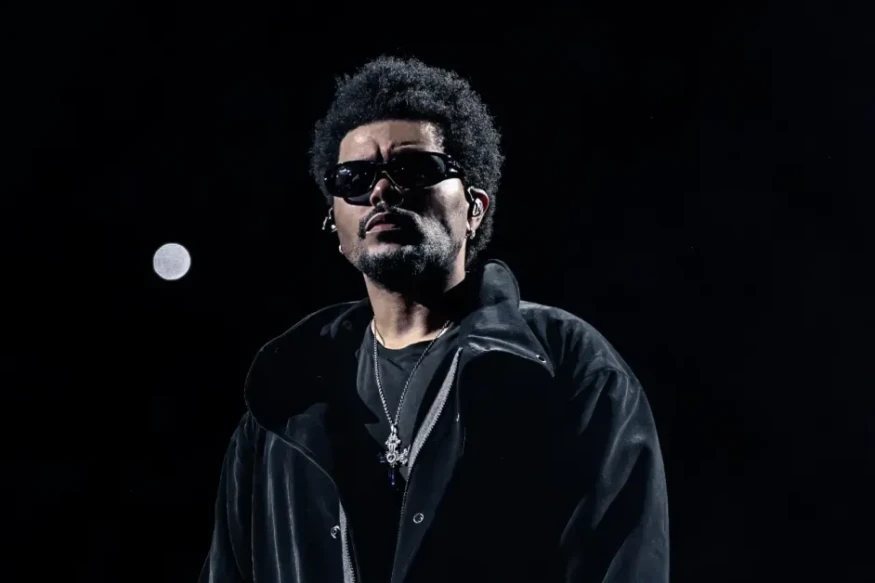
The Weeknd has reached another major touring milestone as the After Hours til Dawn Tour earned $124.4 million from 16 reported shows in July 2026. With 892,000 tickets sold, he topped Billboard’s monthly Top Tours chart for the first time while helping push the wider concert business to a record-breaking $1.155 billion month.
The Weeknd has turned July 2026 into one of the biggest months of his touring career, pulling in $124.4 million from 16 reported shows and selling 892,000 tickets. The numbers were enough to place him at No. 1 on Billboard’s monthly Top Tours chart for the first time since the After Hours til Dawn Tour began four years ago. They also gave him the highest monthly gross ever recorded by a male solo artist since the chart launched in 2019. Yet the story is bigger than one artist. July also became a record month for the touring business itself, with the top 30 tours generating a combined $1.155 billion and selling more than 8.1 million tickets.
Paris offers the clearest picture of just how large this tour has become. The Weeknd played four nights at Stade de France on July 8, 9, 11 and 12, and those shows alone brought in $44.2 million from 300,000 tickets. For many artists, that level of business would represent an entire tour. For The Weeknd, it came from a single city. The result shows how the biggest stadium tours are now built. One sold-out night is no longer the ultimate measure of demand. Major artists are staying in the same market for several evenings, turning a concert stop into a multi-day event with fans traveling in from other cities and countries.
The Paris run is even more impressive when added to The Weeknd’s two sold-out Stade de France dates from 2023. Across those six shows, he has now generated more than $60 million and moved over 450,000 tickets at the venue. That kind of repeat business says a lot about the way major European cities now work inside global touring. Fans are not simply buying a ticket to a show near home. Many are planning flights, hotels and entire weekends around major concerts. A stadium date can now become part music event, part city break and part pop-culture moment, which makes the financial value of a successful engagement much larger than the ticket sales alone.
The same pattern appeared across the rest of The Weeknd’s European schedule. Multiple nights in Lille, Nice, Amsterdam, Milan and Frankfurt all appeared among the month’s strongest box office results. Europe matters especially because many of its stadiums can hold larger crowds than comparable venues in the United States. The Weeknd averaged more than 55,000 tickets per show during the period, helping explain why European legs have become so important for artists chasing huge attendance numbers. The scale is no longer based simply on how many cities a tour visits. It increasingly depends on how deeply an artist can sell into each major market.
His 892,000 tickets in July represent the second-highest monthly attendance ever recorded on Billboard’s Top Tours chart. The total narrowly beat his own previous mark of 891,000 tickets from July 2023. Harry Styles still holds the monthly attendance record with 967,000 tickets sold in June 2023. The small gap between those figures is revealing. Selling close to one million tickets in a single month once sounded like an extreme outlier, but the biggest global tours are now regularly moving into that territory. Stadium touring has become a category of its own, with only a small group of artists able to operate at a scale that looks closer to a traveling entertainment business than a traditional concert run.
The Weeknd was not alone at the top of July’s rankings. BTS reached No. 2 with $102.5 million in reported revenue and 582,000 tickets, while the joint Chris Brown and Usher tour followed with $98.4 million and 538,000 tickets. It was only the second time in the history of the chart that two separate tours crossed the $100 million mark in the same month. The previous example came in May 2025, when Beyoncé and the co-headlining Kendrick Lamar and SZA tour both passed that level. The comparison shows how quickly the ceiling is moving. A number that once looked almost impossible for one tour is now being reached by several artists within the same period.
BTS also help show how international this new touring model has become. Their Arirang World Tour had generated $433.2 million and sold 2.3 million tickets across 38 shows through August 11, according to Billboard figures cited in the original report. During July alone, stops in Brussels, London, Munich and Paris showed how strongly European capitals are performing as global fan hubs. Their Paris engagement brought in $30.6 million from 185,000 tickets. Those figures sit in the same larger trend as The Weeknd’s results: fewer major markets are being treated as simple one-night stops, while the biggest cities are becoming high-value destinations capable of supporting enormous multi-show runs.
The biggest record of July, however, belongs to the market as a whole. The 30 highest-grossing tours of the month combined for $1.155 billion in reported revenue and 8.189 million tickets, the highest monthly totals since Billboard introduced the Top Tours chart in 2019. The previous best month was June 2025, when the top tours generated $1.029 billion and sold 7.534 million tickets. That means the new peak represents growth of roughly 12% in revenue and 9% in attendance. The jump is important because it is not being driven by one exceptional act. Several major tours are operating at historically high levels at the same time.
That growth also explains why major touring increasingly looks like a sophisticated global business. Ticket pricing, premium seating, repeat stadium nights, destination travel, larger capacities and intense fan demand are all changing the economics. Selling out one show still matters, but it no longer tells the whole story. The real question is how many nights an artist can fill in one city, how far fans are willing to travel and how much revenue can be created around each stop. For the largest acts, a city can become a temporary touring base rather than a quick stop on the route, giving promoters and artists more room to build bigger and more profitable events.
According to the Billboard Boxscore figures cited in the report, the After Hours til Dawn Tour had reached $910.1 million in reported revenue and 7.1 million tickets across 141 shows through August 1. Those figures should be kept separate from newer totals or figures reported under different methods by Live Nation or the artist’s team. Based on Billboard’s own Boxscore reporting, however, the tour had already become the highest-grossing tour by an R&B artist and by a Black artist, while also setting major attendance marks. The Weeknd’s July performance pushed those achievements even further and placed the tour back at the center of the global live-music conversation.
What stands out most is how far the After Hours til Dawn Tour has continued to grow years after it first launched. Many tours peak early, especially when the first wave of demand is strongest. This one has instead expanded its scale across different legs and different markets, with Europe becoming especially important to its latest records. The Weeknd is no longer simply extending a successful tour. He is using the same live concept across a much larger commercial map, proving that demand can remain high even after hundreds of shows and several years of touring.
July 2026 therefore looks less like a single career milestone and more like a snapshot of where the live industry is heading. The Weeknd sits at the top of the month, but BTS, Chris Brown, Usher and other major acts are helping create a market where stadiums can sell out several times in a row and individual cities can generate tens of millions of dollars. With the top 30 tours already passing $1 billion in a single month, the next stage will depend on how much further artists can stretch this model, how many markets can support repeat stadium business and whether the industry can continue raising both attendance and revenue at the same pace.