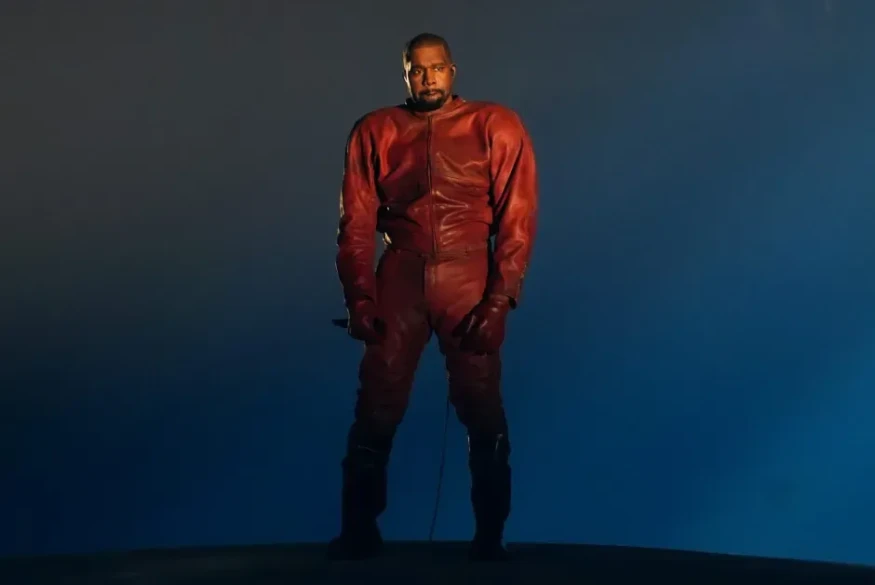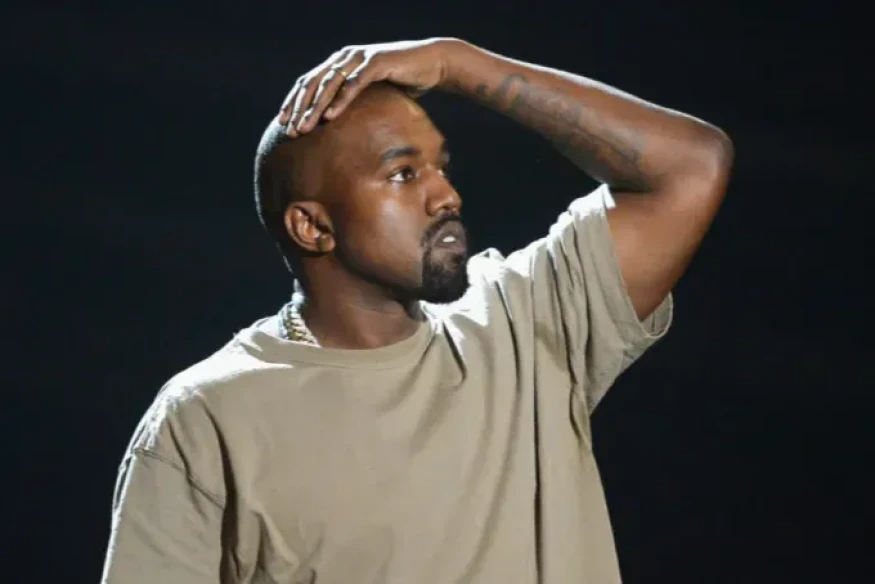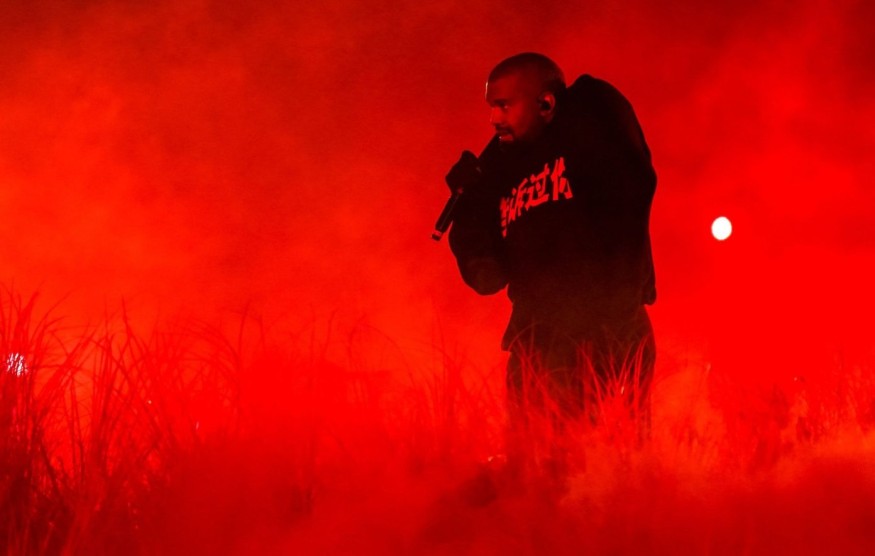
Kanye West is facing another obstacle in his return to large-scale touring, this time in Russia. Two sold-out shows scheduled for October 10 and 11 at St. Petersburg’s Gazprom Arena are suddenly uncertain after the venue said it never signed a rental agreement, while promoter Say Agency insists it had official approval and continues to argue that the concerts have not been canceled.
Kanye West was expected to perform at Gazprom Arena on October 10 and 11, with both dates quickly developing into something much larger than ordinary tour stops. Tickets sold out within hours, prices reached as high as 160,000 rubles for premium categories, and the shows were set to place Ye among the most prominent Western artists to perform in Russia since 2022. For several weeks, the concerts appeared to be moving forward as announced. That assumption has now been disrupted by the venue itself, which says the performances cannot take place there under the current circumstances.
Gazprom Arena claims that no signed rental agreement was ever completed with the organizers. According to the venue, the announcement of West’s concerts came as a surprise, and arena officials learned that he was supposedly scheduled to perform there at roughly the same time as the public. The company has also stressed that it was not responsible for booking the rapper and acknowledged receiving complaints about the planned appearances.
Say Agency, the Moscow-based promoter behind the concerts, describes the situation very differently. It says the booking process was based on an official letter approved by Gazprom Arena and argues that the venue had even sent over a rental agreement, although the document had not yet been signed. From the promoter’s perspective, the shows were not announced without discussion. Instead, it believed the booking process was already sufficiently advanced for the dates to be presented publicly.
That disagreement is what makes the situation more complicated than a normal cancellation. The venue and promoter are not arguing over a minor technical detail or one clause in a contract. They appear to disagree over whether there was enough agreement in place for the concerts to have been announced at all. The dispute has emerged only after thousands of people purchased tickets for two nights at a stadium with a capacity of roughly 70,000.
For now, Say Agency continues to insist that the shows have not been canceled. The promoter says it is attempting to communicate with Gazprom Arena, understand why the venue issued its statement and find a solution. That leaves the October dates in a difficult position. It would be premature to describe them as formally canceled, but the arena has publicly said the concerts cannot proceed at the venue as things currently stand. A new agreement or a move to another location may therefore be necessary if the shows are to survive.
The Russian context gives the dispute additional significance. Since Russia’s invasion of Ukraine in 2022, many major Western artists, companies and entertainment organizations have withdrawn from the country or avoided scheduling new activity there. A Kanye West stadium show in St. Petersburg would therefore carry cultural and political meaning beyond the usual business of international touring. His appearance would represent a rare high-profile Western booking in a market that has remained largely isolated from the mainstream global touring circuit.
There is also a second story running through the situation that concerns West himself. His current live schedule has repeatedly been affected by cancellations, postponements and political controversy across several countries. Planned appearances in Poland and Switzerland were canceled, a French date was postponed, and a concert in Italy failed to move forward because of security concerns. In Britain, his planned involvement with Wireless Festival developed into an even larger issue after authorities prevented him from entering the country.
Much of that resistance exists against the background of West’s history of antisemitic statements and his use of Nazi imagery. Since 2022, those actions have had major professional consequences, including the collapse of high-profile partnerships with Adidas and Balenciaga. Later controversies brought renewed criticism when he returned to similar rhetoric. West has apologized at different points, withdrawn previous apologies and offered changing explanations for his behavior, creating a record that continues to affect the reaction to every major new concert announcement.
That history should not automatically be used to explain what is happening in St. Petersburg. Gazprom Arena has acknowledged receiving complaints about West’s scheduled appearance, but its main public argument concerns the lack of a signed rental agreement. Treating the dispute as a politically motivated cancellation without further evidence would therefore go beyond what has actually been established. The controversy surrounding West creates the wider environment in which the booking exists, but the immediate disagreement remains contractual and administrative.
The commercial response to the Russian dates makes the uncertainty even more striking. Tickets reportedly started at around 9,000 rubles and reached 160,000 rubles in the highest categories, yet demand was strong enough for both nights to sell out quickly. Whatever the international backlash surrounding West, there is clearly a substantial audience in Russia willing to pay significant prices to see him perform.
That demand was particularly important because the shows were beginning to look like another major step in Ye’s attempt to rebuild his stadium presence. His recent live activity has included appearances in the United States, the Netherlands and Turkey, creating the impression of a wider return to large venues after several years in which his public career became increasingly unpredictable.
Following a show in Istanbul, West claimed that 118,000 people attended and that the concert had established a new stadium attendance record. The figure and the record claim came from West himself and should not be treated as independently verified. Even without accepting that claim at face value, the Russian dates were clearly intended to continue a strategy built around very large audiences and headline-making venues.
The problem is that the touring story now appears almost as unstable as it is ambitious. Announcements repeatedly generate major attention, ticket demand remains strong in certain markets, and the possibility of enormous crowds is still clearly there. At the same time, venue disputes, political objections, entry restrictions and security concerns keep affecting whether those plans can actually reach the stage.
The St. Petersburg situation makes that tension especially visible because the shows had already moved beyond the announcement phase. Tickets had been sold, fans had committed money, and two dates had been presented as confirmed. The question now is not simply whether West can attract an audience in Russia. The sellout suggests that he can. The immediate issue is whether the business arrangements behind those tickets were secure enough to support the concerts that people believed they were buying access to.
That also raises practical questions for ticket holders. With the venue and promoter giving conflicting accounts, buyers need clarity about whether the original dates remain valid, whether the concerts could be transferred elsewhere and what happens if no solution is found. The higher ticket prices make that uncertainty more significant, especially for fans who may have arranged travel around the shows.
For West, the episode adds another unstable chapter to a touring period that has struggled to separate musical demand from the controversies surrounding his public life. He can still generate the kind of attention and ticket sales associated with a major stadium artist, but turning that demand into a consistent international schedule has proved much more difficult.
The next development will depend on whether Say Agency and Gazprom Arena can resolve their disagreement or whether another venue becomes involved. Until then, October 10 and 11 remain dates that have been sold to the public without the certainty that the advertised stadium will actually host them. For an artist whose recent concert plans have repeatedly run into obstacles before opening night, St. Petersburg has become the latest example of how quickly a major live announcement can move from sold-out success to uncertainty.