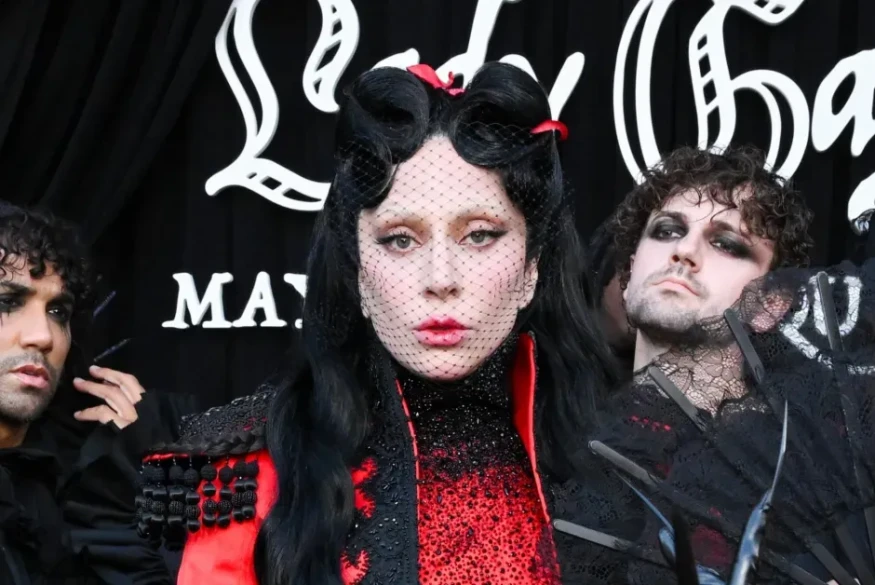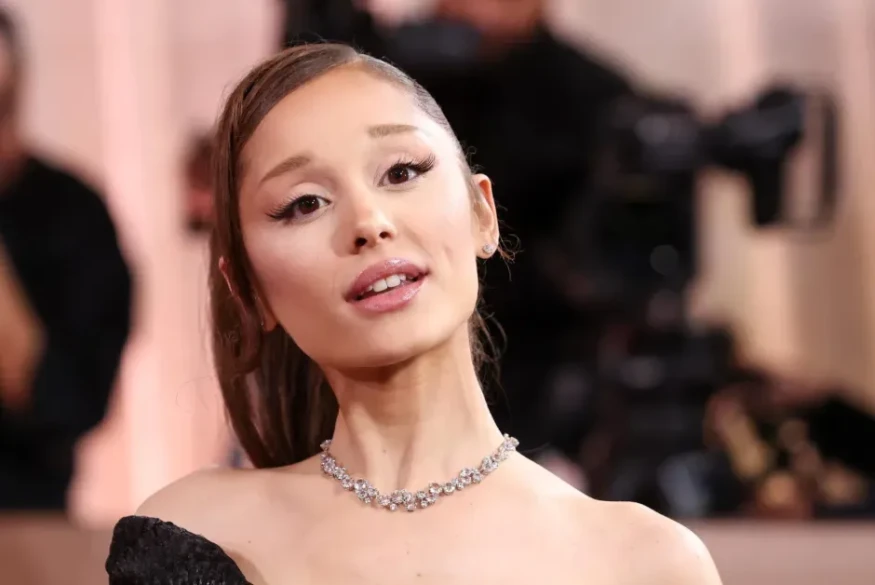
Britney Spears passed on “Telephone” while preparing “Circus,” but the decision opened the door to one of Lady Gaga’s most defining moments. The song moved into “The Fame Monster,” gained Beyoncé as its second voice and became a full pop culture event. Rather than a simple missed opportunity, its journey shows how the right artist, timing and visual world can completely change a song’s future.
Britney Spears’ decision to pass on “Telephone” has become one of those pop stories that feels almost impossible in hindsight. The song was originally considered during the making of “Circus,” at a time when Britney was preparing a major return and Lady Gaga was still proving herself not only as a performer, but also as a songwriter for other artists. “Telephone” did not make Britney’s album, and the exact reason has never been fully explained. What looked like a normal creative decision at the time later became one of pop music’s most famous “what if” moments.
That story is often told as though Britney simply missed a guaranteed hit, but the reality is more complicated. “Circus” arrived during a sensitive period in her career and had to do more than collect strong songs. It needed to rebuild her image as one of the biggest pop stars in the world after years of intense public pressure. Every track had to fit the direction of the project, the available space and the message her team wanted the album to send. Even a strong song can be left behind when it does not belong to the exact version of an era an artist is trying to create.
For Lady Gaga, however, “Telephone” was not just another song that could disappear into a folder. She had helped write it, and the track already carried many of the ideas that were becoming central to her sound: pressure, speed, repetition, digital noise and the feeling of being trapped inside constant attention. Instead of abandoning the song after Britney turned it down, Gaga returned to it and moved it into the world of “The Fame Monster.” That change gave the track a completely different identity.
Inside “The Fame Monster,” “Telephone” became more than a bright dance-pop single. It joined an album built around fear, fame, obsession and emotional overload. The phone in the song no longer felt like a simple object. It became a symbol of a life where people can always reach you, where silence is difficult and where personal space keeps shrinking. The main character is on the dance floor, trying to enjoy one moment without being pulled back into another conversation, another demand or another problem.
That tension helped the song stand out. The music is fast, glossy and made for movement, but the emotion underneath is restless. The narrator does not refuse to answer because she has nothing to say. She refuses because she wants a few minutes where nobody can interrupt her. That gap between the excitement of the production and the frustration in the lyrics became one of the song’s strongest qualities. It sounded fun, but it also captured the stress of always being available.
Beyoncé’s arrival changed the scale of the track again. Her appearance did not feel like a random celebrity feature added only to increase attention. She brought a different type of power to the song. Beyoncé’s voice was precise, controlled and direct, while Gaga’s performance leaned into drama, attitude and theatrical excess. Together, they created the feeling of two women forming an alliance and choosing not to let anyone disturb the space they had claimed for themselves.
The chemistry worked because neither artist had to disappear for the other to shine. Beyoncé did not simply enter Gaga’s world as a guest, and Gaga did not try to reduce her presence to protect the center of the song. Their voices had different textures and different energies, which made the collaboration feel larger than a normal duet. “Telephone” became a conversation between two of the most powerful women in pop at a moment when both were shaping the sound and image of the decade.
The music video turned that collaboration into a full cultural event. Running for almost nine minutes, it pushed far beyond the normal job of promoting a single. The video mixed prison scenes, fashion, violence, comedy, choreography and exaggerated American imagery into a short film that seemed designed to be watched, discussed and replayed. Gaga did not treat the song as the finished product. She treated it as the beginning of a visual world.
That approach was already becoming her signature. Gaga understood that a pop song could be more than sound. It could create characters, costumes, colors, settings and stories strong enough to stay in people’s minds long after the chorus ended. “Telephone” gave her the perfect space to push that idea further. The prison opening, Beyoncé’s arrival, the yellow vehicle, the diner sequence and the huge fashion moments all became part of the song’s identity.
The result was one of those rare music videos that could not be separated from the track itself. For many fans, hearing “Telephone” still brings back the images immediately. The video did not simply illustrate the lyrics. It expanded them into something louder, stranger and more ambitious. A dance song about escaping calls became a story about women, freedom, performance and chaos, all presented with the kind of confidence that made Gaga one of the defining pop figures of the period.
This is why Britney’s rejection should not be treated as a simple mistake. A song does not exist in one fixed form before release. It changes depending on who records it, how it is produced, when it arrives and what visual world is built around it. Britney could have created a successful version of “Telephone,” but there is no reason to believe it would have produced the same duet, the same video or the same cultural response.
The version we know became iconic because it arrived at exactly the right point in Gaga’s career. She was moving from the huge success of “The Fame” into something darker and more ambitious. She had already proved she could write a major hook, but “The Fame Monster” allowed her to show that she could also build a complete artistic universe around those hooks. “Telephone” became one of the clearest examples of that shift.
The Britney version remains interesting because it allows fans to imagine another pop timeline. It is easy to picture her voice on the chorus or wonder how the song might have sounded beside the singles from “Circus.” But imagining the song on that album is not the same as imagining the entire phenomenon that followed. The final legacy of “Telephone” depended on much more than the melody.
It depended on Gaga’s visual imagination, Beyoncé’s presence, the timing of the release and the way audiences were responding to both women. The song became part of a moment when pop videos still felt capable of stopping the conversation and creating an event. People were not only listening to a single. They were waiting to see the world built around it.
The story also reveals how unpredictable the journey of a pop song can be before the public hears it. Songs move between writers, producers and artists. Demos are recorded, ideas are changed and strong tracks are often left behind because they do not fit a particular album. Once a song becomes successful, it is easy to imagine that the final result was always meant to happen. In reality, that result usually depends on several decisions that could easily have gone in another direction.
In the case of “Telephone,” one rejection brought the song back to its creator. That gave Gaga the chance to stop seeing it as material for another artist and start treating it as part of her own identity. The rejection did not only change the singer. It changed the meaning, the scale and the visual life of the track.
Years later, “Telephone” remains one of the most recognizable songs from “The Fame Monster” era and one of the defining female collaborations of modern pop. Its appeal is not based only on nostalgia. The song still works because the music, the attitude, the video and the personalities involved all move in the same direction. It feels complete in a way that few major pop collaborations manage to achieve.
Britney Spears said no to one version of “Telephone.” Lady Gaga heard the chance to build something much bigger around it. With Beyoncé beside her, she turned a rejected song into a full pop event and one of the clearest symbols of her rise. The story is not really about one artist losing a hit. It is about how a song can find its true world only after it is sent somewhere else.