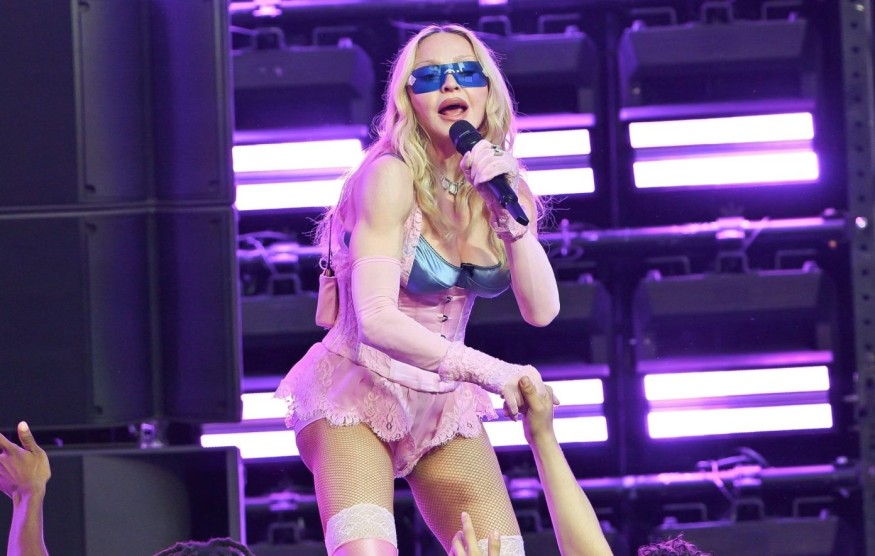
Madonna surprised fans at WorldPride Amsterdam by welcoming Kylie Minogue to the stage for a live performance of “Love Sensation,” turning her intimate “Club Confessions” set into one of the weekend’s biggest pop moments. Kylie stayed for “Sorry” and “Hung Up,” marking only the second time the two music icons have ever shared a stage and giving their long-awaited live connection a new chapter.
Madonna has spent decades proving that the dance floor can be more than just a place to celebrate. Throughout her career, it has become a space for freedom, reinvention and self-expression. That spirit was on full display during her special “Club Confessions” performance at WorldPride Amsterdam, but one unexpected guest transformed the evening into something even more memorable. When Kylie Minogue stepped onto the stage, what had already been a celebration of Madonna’s latest musical era suddenly became a rare meeting between two of pop music’s most enduring artists.
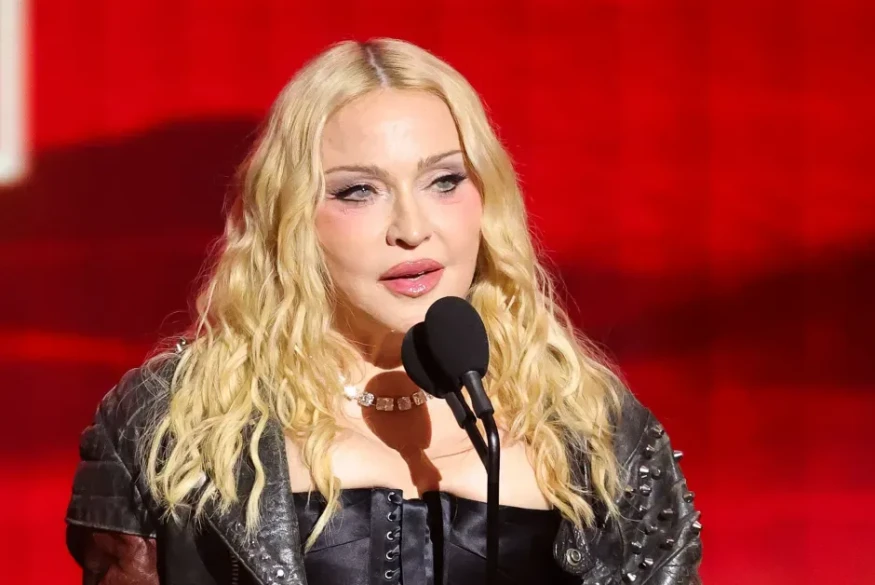
The surprise happened without a dramatic announcement or an extended introduction. Madonna had already taken the stage following performances from Honey Dijon and Bebe Rexha as part of a compact 30-minute show built around her new album “Confessions II” and her renewed focus on dance music. Then Kylie appeared, instantly changing the atmosphere inside AFAS Live. The performance no longer felt like a simple album showcase or a special WorldPride appearance. It became the long-awaited moment when two artists who had spent decades moving through parallel careers finally shared another chapter together.
Kylie arrived wearing a flowing purple top and shimmering silver trousers, bringing the effortless elegance that has defined her own stage presence for years. Together, the pair performed “Love Sensation,” a song that immediately gained a different emotional weight because Kylie does not appear on the studio version. Released ahead of “Confessions II,” the track had already reached No. 1 on Billboard’s Dance Airplay chart. Hearing Kylie’s voice alongside Madonna’s during the live performance made the song feel brand new, almost as if fans were witnessing an alternative version they had imagined since the single first arrived.
The collaboration did not end after one song. Kylie remained beside Madonna for performances of “Sorry” and “Hung Up,” two of the defining tracks from 2005’s “Confessions on a Dance Floor.” That decision made the guest appearance feel much more significant. Rather than walking on stage for a brief duet before disappearing backstage, Kylie stepped directly into one of the most celebrated periods of Madonna’s career. Dancing and singing together, the two artists created a moment that connected different generations of dance-pop history without feeling nostalgic for the sake of nostalgia.
Watching them together carried an unmistakable sense of symbolism. Madonna has spent more than four decades pushing dance music into conversations about identity, confidence and liberation. Kylie Minogue has built her own career by constantly evolving while never losing the warmth and joy that sit at the center of her music. WorldPride Amsterdam offered the perfect setting for those two artistic journeys to meet. The event celebrates visibility, community and self-expression, values that have always been deeply connected to both women’s music and the audiences who have embraced it.
Their connection to LGBTQ+ culture is impossible to ignore. For decades, songs like Madonna’s “Hung Up” and “Sorry,” along with Kylie’s “Can’t Get You Out of My Head” and “Padam Padam,” have become part of the soundtrack inside clubs, Pride celebrations and dance floors around the world. Those songs are more than chart hits. They represent moments of freedom, celebration and belonging for countless fans. Seeing Madonna and Kylie perform together at WorldPride felt less like an ordinary guest appearance and more like a natural continuation of a shared history that has existed between their music for years.
Perhaps the most surprising part of the story is how long it took for this partnership to happen. Fans have imagined Madonna and Kylie sharing a stage for decades. Both women have often been compared throughout their careers, not because they followed identical musical paths, but because they achieved something remarkably rare in pop music: maintaining relevance across multiple generations while continuing to reinvent themselves. Yet despite those similarities, opportunities to perform together remained incredibly limited.
Their first live performance together came in March 2024 during Madonna’s “Celebration Tour” stop in Los Angeles. That evening, they performed Gloria Gaynor’s “I Will Survive,” a song that perfectly reflected two artists who have repeatedly adapted to changing musical landscapes without losing their identities. They later moved into Kylie’s own classic “Can’t Get You Out of My Head,” allowing Madonna to step into Kylie’s musical world. The performance instantly became one of the most talked-about moments of the tour.
For a long time, that Los Angeles appearance looked as though it might remain a unique event. Amsterdam changed that. A second shared performance creates something very different from a one-time surprise. It suggests that their relationship on stage is no longer just an isolated moment created for one specific concert. Instead, it begins to feel like the start of a small shared history. The excitement is no longer based only on shock value. It comes from the possibility that audiences may see them together again.
“Love Sensation” naturally reignited speculation about whether an official recording with both artists could eventually happen. Before “Confessions II” was released, rumors had already suggested Kylie appeared somewhere on the album. She later dismissed those reports with humor, explaining that she was not involved in the studio project while making it clear that she was excited to hear the album herself. The WorldPride performance does not confirm any new recording, but it certainly demonstrated how naturally their voices work together.
The contrast between them is part of the appeal. Madonna brings authority, theatrical confidence and dramatic presence. Kylie contributes warmth, melodic brightness and an effortless sense of joy. Neither artist needs to compete for attention. Instead, they complement each other in ways that feel surprisingly balanced. The result is not about deciding who owns the stage. It is about watching two performers with completely secure identities enjoy sharing the same space.
“Confessions II” itself already looks back toward one of Madonna’s most celebrated dance eras without simply repeating what she achieved in 2005. Its success at the top of the Billboard 200 proved that audiences remain deeply connected to that side of her artistry. The “Club Confessions” performances continue that spirit by creating intimate, club-inspired experiences rather than traditional arena concerts. Within that setting, Kylie never felt like an outside guest trying to fit into someone else’s show.
That feeling comes from her own relationship with dance-pop. From “Light Years” and “Fever” to “Tension” and the global revival sparked by “Padam Padam,” Kylie has built her own lasting connection with dance music. If Madonna often turns the dance floor into a statement about freedom and self-expression, Kylie transforms it into a place of warmth, celebration and togetherness. Their artistic approaches are different, yet they naturally strengthen one another when they perform side by side.
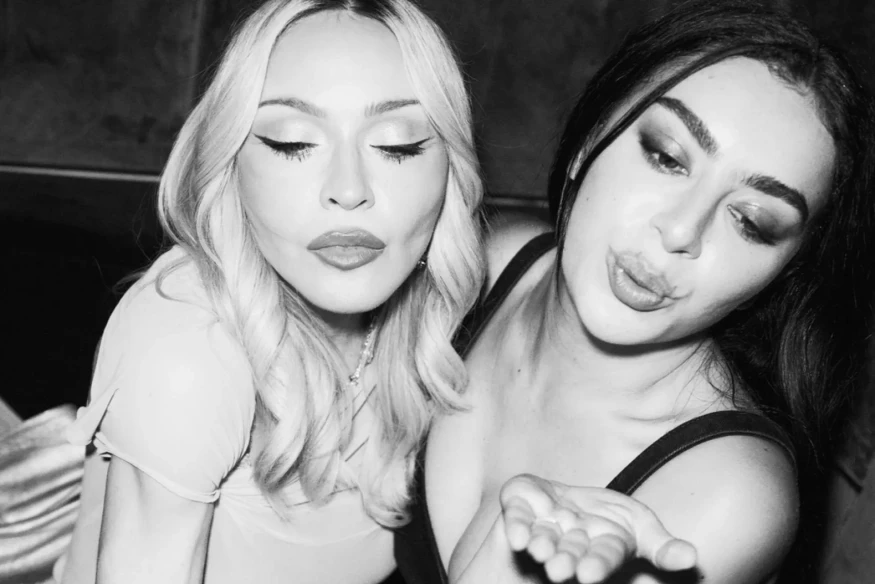
After the concert, Kylie shared backstage footage from the evening and thanked everyone involved in “Club Confessions WorldPride Amsterdam.” Her message remained simple and understated. She did not hint at future collaborations or make dramatic promises about what could happen next. In many ways, that quiet approach suited the evening perfectly. The images from the performance were already speaking loudly enough.
The appearance also challenged one of pop music’s oldest habits: the tendency to frame successful women as rivals. Madonna and Kylie have both spent decades being compared with one another despite following different creative paths. Their shared performance offered a different story. Instead of asking which artist matters more, the focus shifted toward what happens when two iconic careers meet without competition. The collaboration became more meaningful than any comparison.
WorldPride Amsterdam ultimately delivered much more than a surprise duet. It continued a story that had taken decades to begin. “Love Sensation” became the place where Madonna and Kylie Minogue stood together once again, not as nostalgic legends revisiting the past, but as active artists continuing to evolve while celebrating the audiences who have supported them for generations.
Whether this leads to another live appearance, a future recording or an entirely different collaboration remains unknown. What Amsterdam clearly changed is the feeling that seeing Madonna and Kylie together is no longer an impossible dream reserved for fan discussions. Their second shared performance proved there is room for more chapters, and pop music suddenly has every reason to wonder where that story might go next.