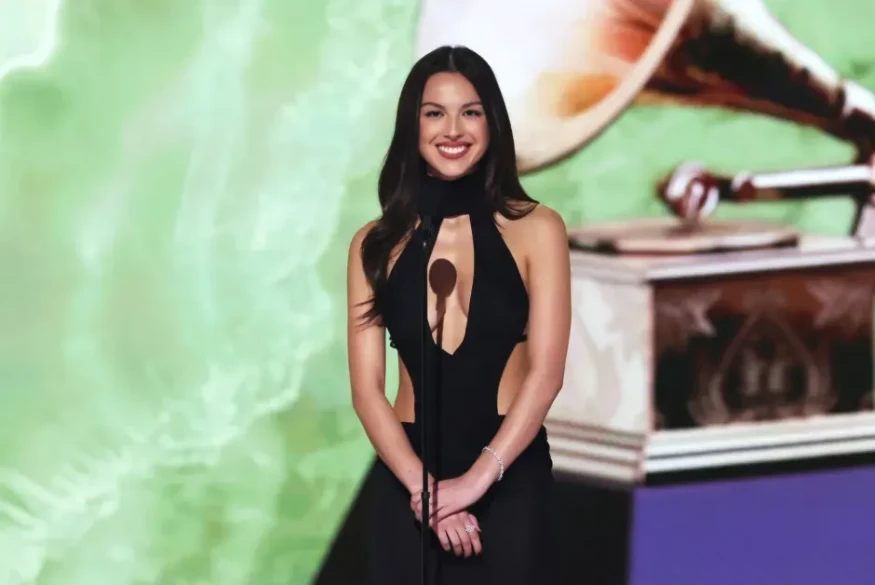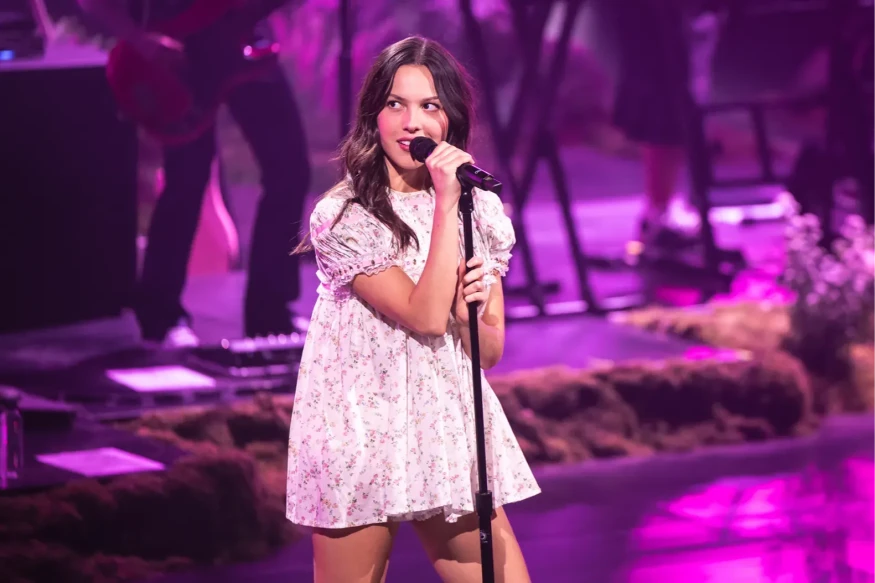
Olivia Rodrigo has responded openly to the criticism surrounding her recent baby doll dress looks, explaining why she believes it is dangerous to blame women for the way other people choose to sexualise them. The singer addressed the online backlash for the first time, saying the discussion around her appearance revealed much deeper problems about how women’s bodies are viewed in modern culture.
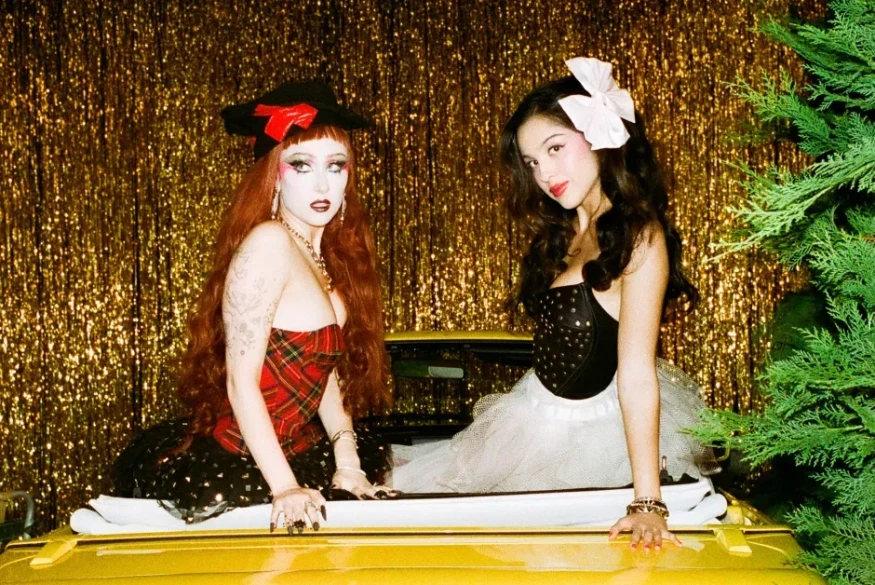
Olivia Rodrigo found herself at the centre of another intense online conversation after a series of recent appearances connected to the promotion of her new album “You Seem Pretty Sad for a Girl So In Love.” The singer embraced an aesthetic built around vintage-inspired baby doll dresses, floral details and a more alternative, punk-influenced femininity — a visual direction she says was inspired by women artists she has admired for years.
What began as a fashion conversation quickly evolved into something much larger.
Across social media, some users criticised the singer’s outfits, arguing that the looks “infantilised” or “sexualised” her image. The discussion became especially heated after Olivia Rodrigo appeared during a concert in Barcelona wearing a floral baby doll dress paired with bloomer shorts, a styling choice strongly connected to the romantic and alternative aesthetic of her current era.
As the online debate intensified, the singer initially stayed silent. But after watching the conversation grow for weeks, she eventually decided to address the criticism publicly during an appearance on The New York Times Popcast.
Rather than focusing only on the outfits themselves, Olivia Rodrigo used the moment to talk about something she considers far more important: the way women are often taught to feel responsible for how other people choose to perceive or sexualise them.
According to the singer, that mindset places blame on women instead of on the people creating the problem in the first place.
“Olivia Rodrigo said no woman should feel responsible for someone else’s projections or obsessions.”
The singer also pointed out what she described as a major contradiction in the public reaction to her clothing choices. She explained that she has performed on stage in far more revealing outfits in the past without receiving the same type of criticism. Yet a dress that covered most of her body suddenly generated some of the strongest reactions and most extreme online interpretations.
For Olivia Rodrigo, that contradiction exposed something much deeper about how female bodies are viewed and discussed online.
The singer made it clear that her intention when choosing those outfits had nothing to do with provoking controversy. Instead, she said the looks made her feel creative, powerful and emotionally connected to the artistic direction of the new album. She also referenced influences from women in punk and alternative culture, including artists like Kathleen Hanna and Courtney Love, both of whom famously used baby doll dresses as part of a rebellious and confrontational visual identity.
Over the years, Olivia Rodrigo has spoken repeatedly about her admiration for women artists who challenged expectations surrounding femininity, sexuality and image. For her, the aesthetic represented artistic expression and emotional storytelling — not the meaning some online commentators projected onto it.
The singer explained that the internet often loses sight of that distinction and begins interpreting every female appearance through the perspective of how others might sexualise it. According to Olivia Rodrigo, that is exactly what makes the conversation dangerous, especially for younger girls growing up online.
She argued that many women are raised hearing they must constantly monitor what they wear in order to avoid unwanted attention or reactions from men. In her view, that logic creates a culture where women feel perpetually responsible for managing other people’s behaviour and perceptions.
“Olivia Rodrigo believes young women should grow up without feeling they constantly need to apologise for their appearance.”
The conversation also reflects a broader shift happening throughout Olivia Rodrigo’s career. Since the beginning of her rise to fame, nearly every aspect of her public image — from lyrics and interviews to fashion and performances — has been intensely analysed online. But as her career evolves, she appears increasingly willing to push back publicly when discussions surrounding her image cross personal or emotional boundaries.
Her latest album era already feels noticeably more mature and emotionally layered than her earlier work. “You Seem Pretty Sad for a Girl So In Love” embraces darker aesthetics, alternative influences and more carefully constructed visual storytelling. The clothing, visuals and stage design surrounding the project all appear intentionally connected to that artistic identity rather than functioning as random celebrity fashion choices.
At the same time, Olivia Rodrigo seems highly aware that much of her audience consists of young women who closely follow not only her music but also the conversations happening around her. That awareness likely explains why she chose to speak so directly about the issue.
For the singer, the discussion surrounding women’s clothing says far more about society than about the women being criticised.
The response to her comments quickly generated another wave of conversation online — but this time, many fans and commentators strongly supported her perspective. Across social media, users praised Olivia Rodrigo for openly addressing the contradictions women face when it comes to public perception, sexuality and self-expression.
Many fans argued that the singer successfully described an experience countless women recognise in everyday life, whether they exist in the spotlight or not. Others pointed out how often conversations about women’s fashion become less about clothing itself and more about control, projection and public judgement.
As Olivia Rodrigo continues evolving artistically, it is becoming increasingly clear that she no longer wants to separate music, image and social commentary into completely different worlds. Her new era appears built not only around emotional songwriting and visual experimentation, but also around openly confronting the expectations placed on young women in pop culture.
And perhaps that is why the discussion around a few dresses grew into something much larger. Because underneath the fashion debate was a much bigger question about who gets blamed when women are viewed through someone else’s lens.