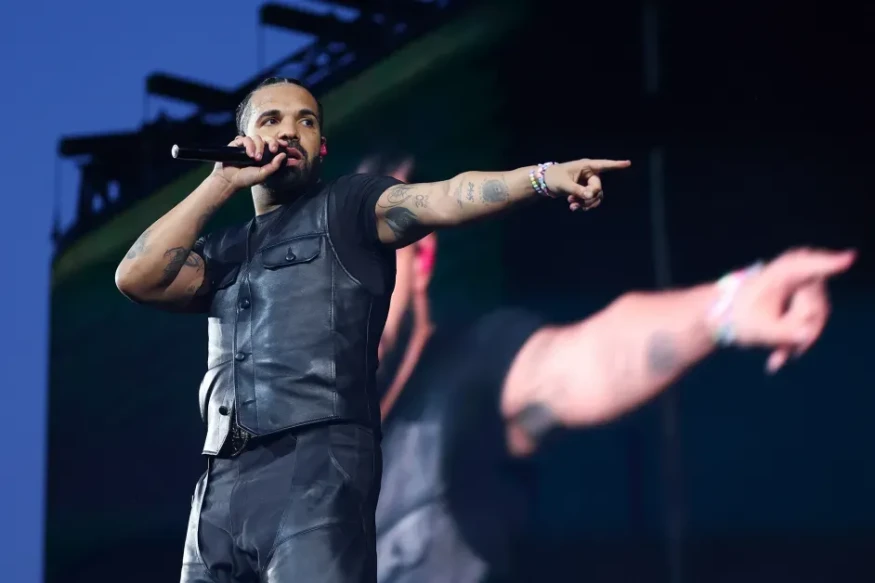
Drake returns with Iceman, an album that feels less like a traditional release and more like a direct response to every rivalry, betrayal and public battle that surrounded him over the last two years. From Kendrick Lamar and A$AP Rocky to LeBron James and Universal Music Group, the Canadian superstar turns the project into a personal statement filled with frustration, tension and unfinished business, reopening some of the biggest conflicts in modern hip-hop culture.
Drake has never been a stranger to public feuds, but Iceman presents a version of the rapper that feels more exposed, bitter and confrontational than at almost any other point in his career. The album arrives after one of the most turbulent periods Drake has faced since becoming one of the dominant figures in global music. Instead of avoiding the controversy that followed him throughout the last two years, he embraces it fully, transforming the project into an album built around tension, distrust and emotional retaliation.
The shadow hanging over the entire record is undeniably Kendrick Lamar. Their rivalry escalated into one of the defining hip-hop conflicts of the decade, reaching a level that extended far beyond music and entered mainstream pop culture. Kendrick Lamar’s “Not Like Us” became more than a diss track; it turned into a cultural phenomenon that dominated charts, social media, award shows and even the Super Bowl halftime stage. While Kendrick’s momentum continued growing, Drake suddenly found himself in the unusual position of having his dominance publicly questioned on a massive scale.
Throughout Iceman, Drake repeatedly revisits that conflict. Sometimes the references are direct, while other moments rely on layered bars and coded language aimed at the entire ecosystem surrounding Kendrick Lamar’s rise during the feud. Drake appears convinced that the narrative around him shifted unfairly and that many people inside the industry rushed to celebrate his downfall. The frustration in his voice often sounds less like competitive rap energy and more like someone still emotionally processing a public humiliation that never fully healed.
“The album sounds like Drake kept every receipt and remembered every betrayal.”
One of the strongest themes across Iceman is paranoia toward the music industry itself. Drake repeatedly frames himself as someone fighting not only rival rappers but an entire system that allegedly turned against him. A major part of that anger is directed toward Universal Music Group and especially toward Lucian Grainge. The rapper revisits his ongoing legal and business tensions with the label, implying that the company played a role in amplifying narratives that damaged his public image during the Kendrick Lamar feud.
Several tracks suggest Drake believes streaming manipulation, media strategy and corporate alliances influenced how the battle unfolded publicly. Whether listeners agree with him or not, the album clearly reflects an artist who no longer trusts the structures surrounding the industry he once seemed to dominate effortlessly. That distrust gives Iceman a colder and darker atmosphere than many previous Drake projects, almost as if he is isolating himself emotionally from everyone around him.
Another major target throughout the album is A$AP Rocky. The tension between the two artists has existed quietly for years, largely connected to Rihanna and the complicated history surrounding their relationships with her. While the rivalry remained mostly indirect in the past, Iceman removes any remaining ambiguity. Drake throws multiple shots at Rocky’s authenticity, public image and position inside hip-hop culture, making it obvious that whatever mutual respect may once have existed between them has completely disappeared.
The timing of those references is especially significant because A$AP Rocky recently addressed the situation publicly himself, admitting that issues connected to “women” damaged the relationship between the two rappers. Iceman feels like Drake’s side of that unresolved story finally being aired out in full public view. Instead of subtle subliminals, the album often sounds intentionally personal, reinforcing the idea that Drake is no longer interested in maintaining diplomatic relationships with former allies or peers.
One of the most surprising tensions revisited on the album involves LeBron James. For years, Drake and LeBron represented one of entertainment’s most visible celebrity friendships, appearing courtside together, supporting each other publicly and presenting a united image of influence across sports and music. However, Drake clearly interpreted LeBron’s appearance at Kendrick Lamar’s major Los Angeles concert during the feud as a betrayal.
The references toward LeBron inside Iceman are sharp, sarcastic and emotionally charged. Drake suggests disappointment toward people who, in his view, publicly switched sides the moment his image became vulnerable. For many listeners, these bars stand out because the friendship once appeared genuinely close, making the fallout feel more personal than strategic. The album repeatedly returns to the idea that Drake no longer knows who around him is loyal and who is simply attached to power and relevance.
The bitterness extends even further through references aimed at DJ Khaled and several other figures connected to the broader music industry. Drake appears frustrated not only by individual betrayals but by what he perceives as silence or opportunism from people who previously benefited from being associated with him. The album paints a picture of someone who feels abandoned during the most difficult chapter of his public career.
“Iceman feels less like a victory lap and more like a psychological response to isolation.”
Despite the aggression and hostility running through the album, there are also moments where Drake sounds emotionally exhausted. Beneath the anger lies an artist trying to reclaim control over his own narrative after spending months watching headlines, memes and viral moments reshape the public perception of him. Some tracks feel almost diaristic, with Drake reflecting on how quickly admiration can turn into ridicule inside modern internet culture.
The album also revisits older feuds, including his long-running conflict with Pusha T. Even years after their infamous battle changed the direction of Drake’s personal life and public image, the resentment clearly remains alive. References scattered throughout the project suggest Drake never fully moved on from that chapter either. In many ways, Iceman operates like a catalogue of unresolved conflicts stretching across different eras of his career.
At the same time, Drake appears aware that the album itself will divide audiences. Some listeners see Iceman as an artist refusing to stay silent after being publicly attacked for years, while others view the project as evidence that he remains consumed by conflicts he cannot let go of. That tension becomes part of the listening experience itself. The record constantly shifts between confidence and vulnerability, dominance and defensiveness, making it one of the most emotionally conflicted releases of Drake’s career.
What makes Iceman especially fascinating is that Drake never fully separates his personal identity from his public battles. Every feud becomes part of the music, every disappointment turns into lyrical material and every damaged relationship becomes another piece of the album’s emotional structure. The project almost functions like an open archive of grudges, frustrations and emotional scars accumulated during the most chaotic era of his career.
Rather than attempting to move beyond the controversies surrounding him, Drake chooses to center them completely. Iceman becomes a project where rivalries, accusations, betrayals and insecurities are transformed into the core narrative itself. Whether viewed as catharsis, revenge or survival, the album makes one thing clear: Drake has no intention of pretending any of these conflicts are over.