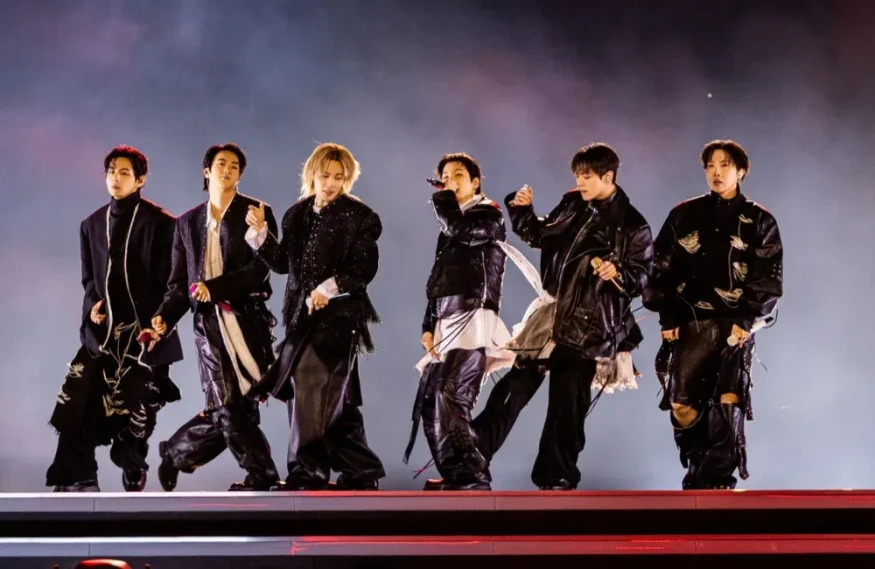
BTS reveal that a collaboration with Usher for the Super Bowl was closer than anyone knew, before plans ultimately fell through.
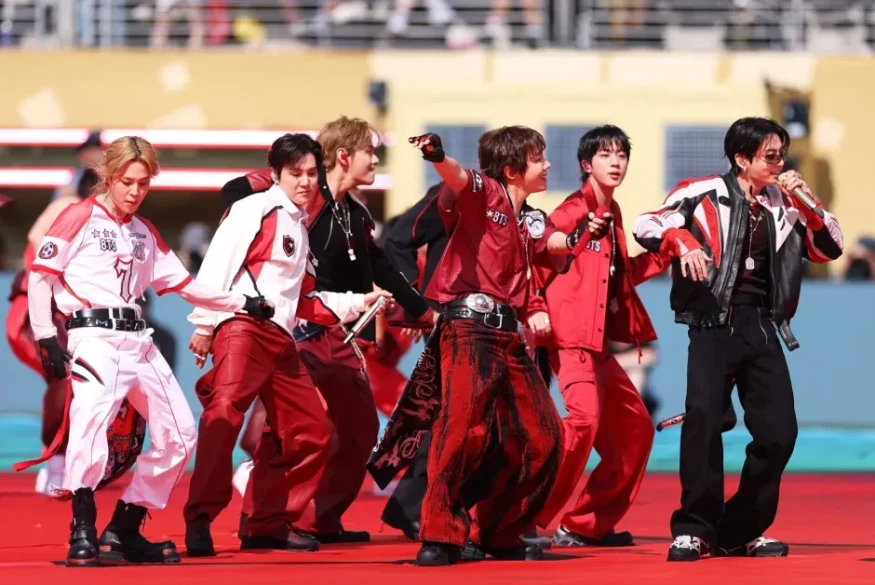
BTS have long been considered one of the few global acts capable of redefining what the Super Bowl Halftime Show could look like. Now, it turns out that possibility was not just speculation — it nearly became reality.
According to the group, Jung Kook received a direct invitation from Usher to appear during the Super Bowl LVIII Halftime Show. At the time, Jung Kook was riding a strong wave as a solo artist, making him a natural fit for a high-profile guest appearance on one of the world’s biggest stages.
However, the timing proved impossible to overcome. Just as the opportunity emerged, Jung Kook was preparing to begin his mandatory military service in South Korea — a commitment that ultimately prevented the collaboration from moving forward. The plan was never finalized, but it had progressed far enough to confirm that serious discussions had taken place.
This revelation changes the narrative around BTS and the Super Bowl. Until now, their connection to the event had been largely hypothetical. The fact that an invitation was extended shows that they are already firmly on the radar of organizers and headline performers.
When asked about the possibility of performing at the Super Bowl in the future, Jung Kook did not hide his interest. He acknowledged it as a stage any artist would aspire to, while also recognizing that such decisions depend on timing, availability, and broader circumstances beyond individual control.
Group leader RM added further context by describing the Super Bowl as “the biggest stage in the world,” emphasizing its cultural weight beyond music alone. He also referenced performances by artists like Bad Bunny, whose appearance marked a shift toward greater global and linguistic diversity in the event’s programming.
That shift is particularly relevant when considering BTS. A potential performance would likely include Korean-language material — a factor that, while increasingly accepted globally, could still challenge segments of the traditional Super Bowl audience. Yet the global rise of K-pop and international cinema suggests that audiences are becoming more open to multilingual performances.
The success of non-English cultural exports in recent years has already reshaped mainstream expectations. Within that context, a Super Bowl appearance by BTS would not feel like an anomaly, but rather a continuation of an ongoing cultural shift.
Even though the collaboration with Usher did not materialize, its significance remains. It confirms that BTS are not just globally popular — they are actively being considered for the most visible stages in the entertainment industry.
For now, military service continues to shape the group’s timeline, temporarily limiting collective activities. But once that chapter closes, the possibilities expand again — and the Super Bowl remains firmly within reach.
In the end, this “missed moment” feels less like a lost opportunity and more like a preview. Because if the door has already opened once for BTS, it’s hard to imagine it won’t open again — this time with fewer obstacles in the way.