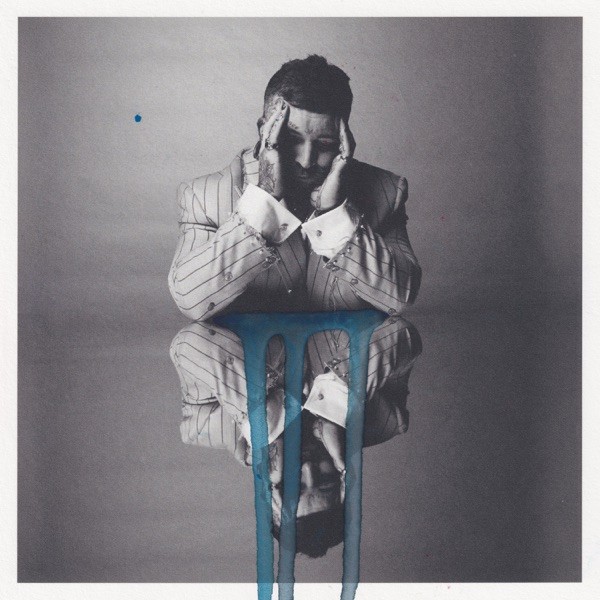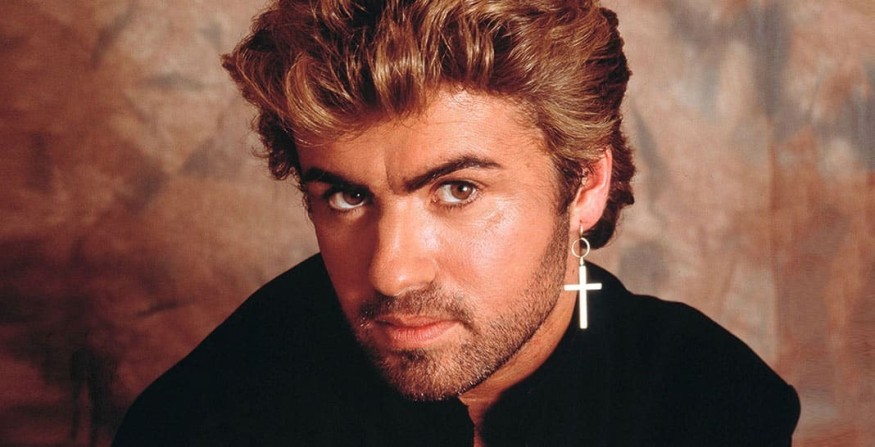
'Last Christmas' is no ordinary pop Christmas song - George Michael almost did everything himself on this gem that has now taken on a different meaning
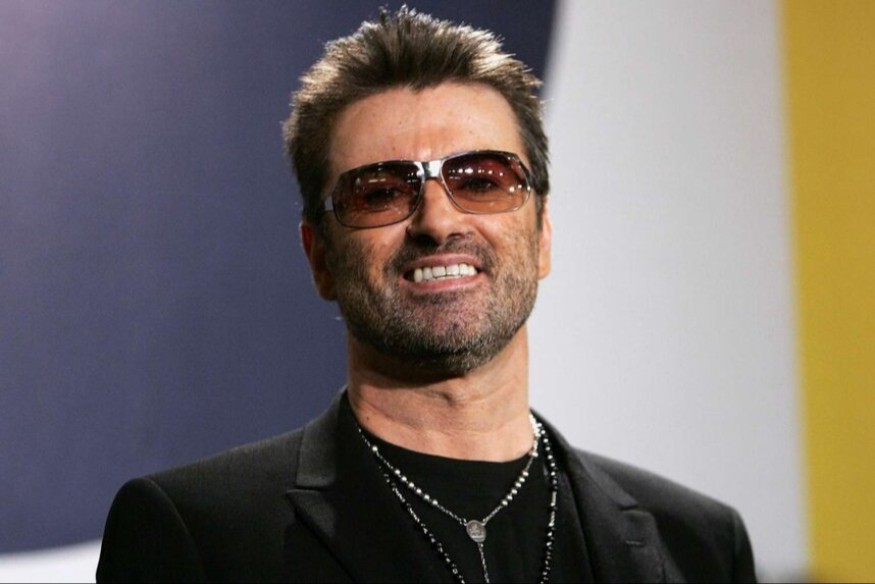
December 25 marks six years since the untimely death of real-life pop star George Michael in 2016.
It was fate that the famous British singer of Cypriot origin, whose real name was George Panagiotou, would pass away on the day to which one of the most popular songs he performed in his illustrious career is dedicated.
In December 1984, two future Christmas anthems battled for the Christmas No. 1 in the charts: "Do They Know It's Christmas" by the charity supergroup Band Aid (U2, Duran Duran, Sting, Phil Collins, Status Quo etc.) and "Last Christmas" by Wham!.
Not only did George Michael sing on the Band Aid single, he donated the rights from 'Last Christmas' to the same charity.
However, the saturation of Christmas songs that year led to a curious phenomenon on the chart: Band Aid's debut meant that 'Last Christmas', one of the most beloved and bright holiday songs, never reached No. 1 on the charts. next 36 years after its release.
'Last Christmas' first topped the UK Evelina in early 2021
Over the years, "Last Christmas" has grown in popularity: 3.7 million sold and countless remixes by artists ranging from Taylor Swift and Whigfield to Ariana Grande and Good Charlotte.
There is a speculative side to a Christmas carol. Success can sustain an artist for life and the decision of Wham! to create their own single was no surprise.
Mark Ellen recalls that many in the music press were reluctant towards Wham! and viewed them as empty adventurers in the growing economy. But despite the fact that 'Last Christmas' appears as a sweet and cynical chart commodity, it was almost a one-man production.
The song was recorded in August 1984 at the ever-modern Advision Studios in London, although when Wham! they went there the technology was rudimentary. Earlier that year, George Michael had released Wham! – and his budding solo career – from an open-ended record deal.
He had also begun to build himself up as a serious creative force, having started from less serious foundations.
The then 21-year-old George Michael wrote, produced and played every instrument with gusto on 'Last Christmas'.
Gradually freed from the interference of producers, managers, record company executives and even his partner Andrew Ridgeley, the only people admitted to being in the studio during the recording were Michael's sound engineer Chris Porter and two assistants who had little input .
Lyrically, 'Last Christmas' is a highly sophisticated song that is abundant with mixed messages and a powerful absurdity that defines the best of pop music. There's a tension between the music and the lyrics: "You have the happiness of the rhythm of the song, but on the other hand you have the sadness of unrequited love," Porter explains.
The wit lies in the lyrics themselves.
Not only does the simplistic style of the chorus take a sharp turn ("This year to save me from tears / I'll give it [my heart] to someone special"), but there's also a contradiction. The narrator tries to undermine his ex by devoting an entire song to how devastated he is by their breakup.
But "Last Christmas" isn't just about the lies we tell ourselves to cope with rejection, it's also about the "cognitive dissonance" (as psychology calls it) of obsessive love.
At the end of the first verse, George Michael exhibits this kind of double-think: "What a fool I was, but if you kissed me now, I know you'd fool me again," he sings.
It's a heartbreaking epigraph to a song that abounds with such examples, capturing the way contempt disguises hope and how easily love and desire can mislead us into forgiving.