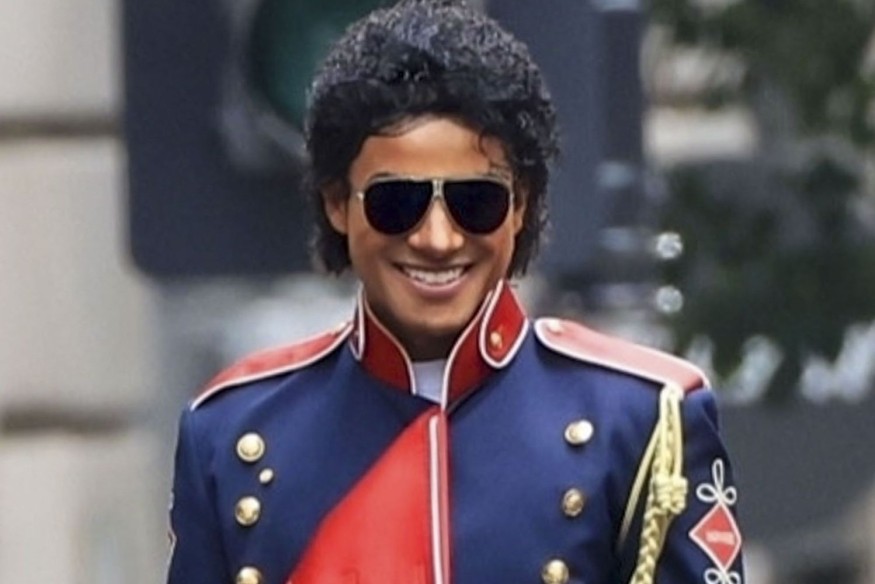
More than two decades after one of the most closely watched court cases in entertainment history, Netflix is revisiting Michael Jackson’s 2005 trial through a new documentary titled The Verdict. Featuring fresh interviews, personal testimonies and previously overlooked details, the production explores the legal battle that shaped the final years of Jackson’s public life and continues to spark debate across the music world today.
Few artists have left a cultural impact as profound as Michael Jackson. From his early success with the Jackson 5 to his transformation into the undisputed King of Pop, Jackson redefined what global stardom could look like. His influence extended far beyond music, shaping fashion, dance, music videos and popular culture on a scale rarely seen before or since. Yet alongside that extraordinary success came years of controversy, scrutiny and legal challenges that remain part of his complex legacy.
Netflix’s new documentary, Michael Jackson: The Verdict, returns to one of the most controversial chapters in that story. The production focuses on Jackson’s 2005 criminal trial, a case that attracted worldwide attention and dominated headlines for months. While the singer was ultimately acquitted on all counts, the events surrounding the trial continue to generate discussion, analysis and disagreement among fans, critics and legal observers.
Rather than presenting itself as a simple retelling of courtroom events, the documentary aims to examine the broader environment that surrounded the case. Through interviews with journalists, legal experts, former associates and individuals who closely followed the proceedings, the series paints a picture of a period when media coverage, celebrity culture and public opinion collided in unprecedented ways. The result is not only a legal documentary but also a study of how fame can influence the perception of justice.
One of the most discussed aspects of The Verdict is its exploration of the atmosphere inside the courtroom itself. Several journalists featured in the documentary describe what they saw as an unusually emotional environment, shaped by Jackson’s immense global popularity. According to their recollections, reactions to evidence and testimony were often viewed through the lens of the singer’s cultural significance, making the trial unlike almost any other celebrity case of its era.
The documentary also revisits the defense team's strategy during the proceedings. Lawyers and legal commentators explain how Jackson’s attorneys sought to challenge the credibility of the accusations by closely examining the background of the individuals involved. According to the documentary, much of the defense’s approach focused on presenting alternative interpretations of events and highlighting information they believed raised questions about the prosecution’s narrative.
Through detailed interviews and archival material, the series explores how both legal teams attempted to shape public understanding of the case. The courtroom battle extended far beyond legal arguments, becoming a global media event followed daily by millions of people. Television networks, newspapers and emerging online platforms covered every development, creating an environment where public opinion evolved almost in real time.
Another major focus of the documentary involves the intense scrutiny surrounding members of the Arvizo family. Former jurors and legal observers discuss how testimony and evidence presented during the trial influenced their perception of key witnesses. These reflections provide viewers with a rare look into the thought process behind one of the most significant jury decisions in entertainment history.
The series also examines the broader impact that the allegations had on Jackson’s career and public image. By 2005, he was already one of the most recognizable individuals on the planet, yet the trial fundamentally altered the way many people viewed him. For some observers, the legal proceedings overshadowed his artistic achievements. For others, the acquittal reinforced their belief that he had been unfairly targeted. Those contrasting interpretations continue to define discussions about his legacy today.
Several interviewees featured in the documentary describe the enormous pressure surrounding the investigation and the extensive searches conducted at Neverland Ranch. Former associates, investigators and reporters share their memories of that period, offering perspectives on how the searches became one of the most heavily publicized elements of the entire case. Their accounts help illustrate the extraordinary level of attention focused on every aspect of Jackson’s personal and professional life.
At the same time, The Verdict repeatedly returns to a fact that remains central to any discussion of the trial. After months of testimony, evidence and public scrutiny, Michael Jackson was acquitted of all charges by the jury in June 2005. The verdict remains the only official legal conclusion reached in relation to the case and continues to serve as a key point of reference whenever the subject is revisited.
The documentary does not attempt to deliver a definitive judgment beyond what was established in court. Instead, it presents a collection of voices, memories and perspectives that reflect the complexity of the story. By allowing participants from different sides of the case to share their experiences, the production encourages viewers to consider how history, media coverage and public perception intersect when evaluating high-profile events.
The release of the documentary also highlights the enduring fascination surrounding Michael Jackson’s life. More than fifteen years after his death, his music remains among the most streamed and celebrated in the world. Songs such as Billie Jean, Thriller, Beat It and Man in the Mirror continue to attract new generations of listeners, ensuring that his artistic influence remains remarkably strong.
That ongoing popularity helps explain why projects like The Verdict continue to generate significant interest. Jackson’s story occupies a unique place in modern culture, combining unparalleled artistic achievement with controversy, mystery and public debate. Few figures inspire such passionate reactions from both supporters and critics, making any new examination of his life an event that immediately attracts global attention.
For Netflix, the documentary represents another entry in a growing catalogue of productions exploring major cultural and legal moments. For viewers, it offers an opportunity to revisit a case that shaped public conversations about celebrity, media responsibility and justice during the early 2000s. Whether approached as a legal documentary, a historical retrospective or a study of one of music’s most influential figures, The Verdict demonstrates that the discussion surrounding Michael Jackson remains as compelling and complex as ever.