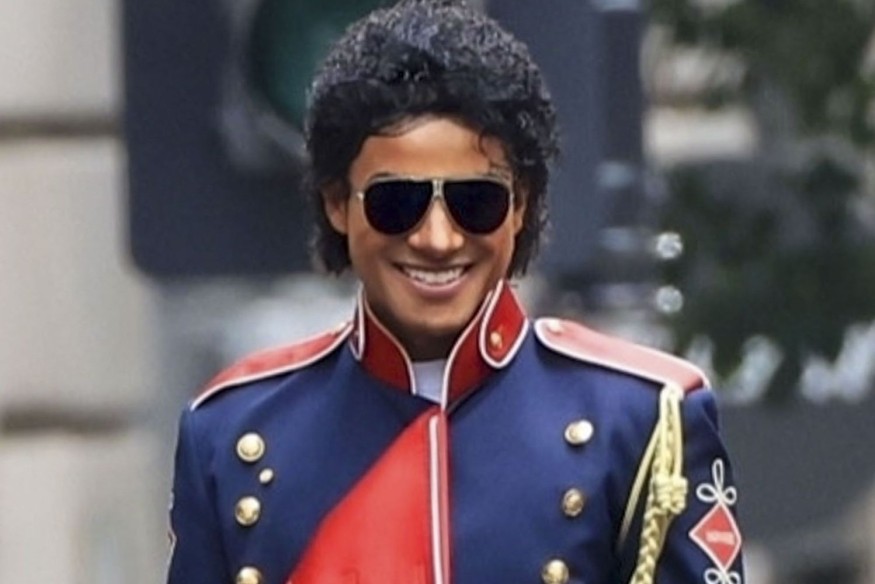
Michael Jackson is heading back to the big screen, but the upcoming biopic “Michael” is no longer the film it was originally planned to be. After major rewrites, reshoots, and a completely reworked ending, the project now shifts its focus—leaning more into the rise of Michael Jackson and less into the most controversial chapters of his life.
Michael Jackson remains one of the most influential figures in global music, which makes any attempt to tell his story on film both exciting and complicated. The biographical movie “Michael” was first developed as a full portrait of his life, covering everything from his early years to the most complex and debated moments of his career. However, as the release date approaches, it has become clear that the final version of the film has taken a noticeably different direction.
The production reportedly went through extensive reshoots in recent months, involving multiple days of filming and a significant financial investment. These were not minor adjustments. Instead, they reshaped the core of the story. Parts of the original script that explored more sensitive and controversial aspects of Michael Jackson’s life have now been removed or heavily reduced.
This shift appears to be closely linked to legal concerns that emerged during production. Certain elements could not be presented in the way they were initially written, forcing the creative team to rethink the structure of the film. Rather than continuing with a narrative that moves into darker territory, the project now focuses more clearly on the rise and peak of Michael Jackson as an artist.
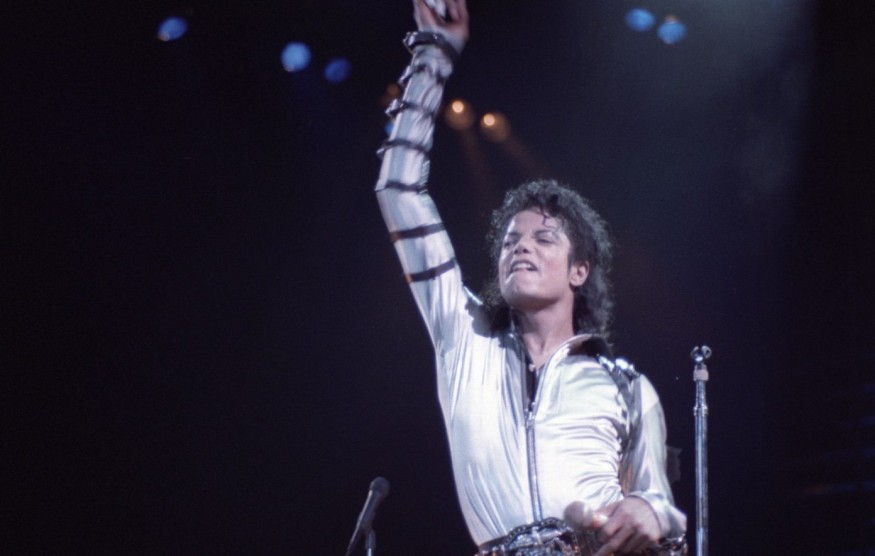
The most striking change comes with the ending. Instead of following the story into later, more complicated periods, the film now concludes around the era of the “Bad” album. This decision significantly alters the tone. It places the spotlight on Michael Jackson at a moment of creative and commercial power, highlighting his influence and impact rather than exploring the full scope of his personal struggles.
This new direction creates a different kind of viewing experience. On one hand, audiences will get a story centered on ambition, success, and cultural impact. On the other, the absence of certain chapters may leave some viewers wondering how complete the portrait really is. Biographical films often face this challenge—balancing storytelling with accuracy—and this project is no exception.
At the same time, the film appears to place greater emphasis on Michael Jackson’s personal relationships, especially his connection with his father. This dynamic becomes a key emotional thread, offering insight into the environment that shaped him. By focusing more on these formative influences, the story aims to build a deeper understanding of how Michael Jackson became the artist the world came to know.
Another element drawing attention is the casting of Jaafar Jackson in the lead role. As a member of the Jackson family, his involvement adds a unique layer to the project. It brings a sense of authenticity but also raises expectations, as audiences will be looking for a performance that captures not just the look, but the essence of Michael Jackson.
The production has already sparked conversations, not only because of the subject itself but also because of the decisions made behind the scenes. Changing a film so close to release is never a simple move. It reflects both the complexity of the story and the pressure of presenting it to a global audience.
There are also reports that opinions within the Jackson family are not entirely aligned. Some members have expressed concerns about aspects of the project, including creative and financial decisions. These reactions add another layer of attention to the film, making it not just a cinematic release but also a topic of discussion within the broader narrative of Michael Jackson’s legacy.
As anticipation builds, the conversation around the film continues to evolve. For many, this biopic is more than just entertainment. It is another interpretation of a story that has been told in many ways over the years. Each version adds something new, but also leaves out something else.
The choice to focus on the rise of Michael Jackson suggests a deliberate approach. Instead of trying to cover everything, the film narrows its lens, aiming to capture a specific moment in time. This can create a more cohesive narrative, but it also means that certain complexities remain outside the frame.
The era of “Bad” is particularly significant. It represents a period where Michael Jackson had already established himself as a global icon, yet continued to push creative boundaries. Ending the film at this point frames the story around achievement and influence, reinforcing his position as a defining figure in pop culture.
The broader question remains how audiences will respond to this approach. Some may appreciate the focus on music and artistry, while others may expect a more complete exploration of his life. This tension is part of what makes the film so closely watched even before its release.
The legacy of Michael Jackson has always been layered, combining groundbreaking music with moments that sparked debate. Any attempt to bring that story to the screen must navigate these layers carefully. The changes made to “Michael” suggest that the filmmakers chose a path that prioritizes one side of that legacy.
As the release date gets closer, interest continues to grow. The film now carries not just the weight of telling a story, but also the expectations of audiences who already feel connected to Michael Jackson in different ways. The final version will reveal how these choices come together and what kind of story ultimately reaches the screen.
For now, one thing is clear: this is not the same film that was originally envisioned. It is a reworked narrative, shaped by both creative decisions and external pressures. And in that process, the story of Michael Jackson takes on a new form—one that focuses on his rise, his influence, and the moment when his impact on music became impossible to ignore.