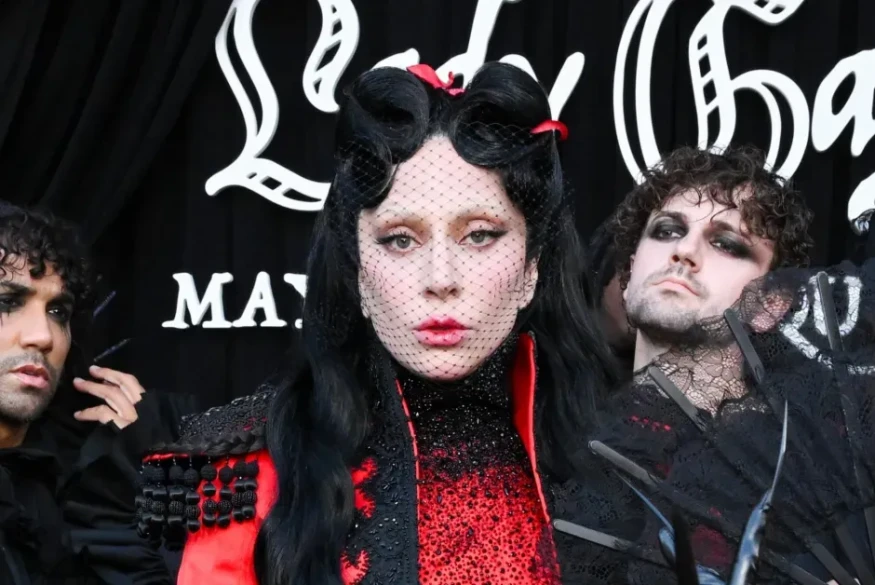
Lady Gaga proves once again her supremacy in pop, as The Mayhem Ball becomes one of the highest-grossing tours of all time.
Lady Gaga may have nothing left to prove, yet The Mayhem Ball stands as one of the most definitive statements of her career. More than just another successful tour, it evolved into a landmark live phenomenon, combining massive commercial performance with a carefully engineered global strategy that redefined scale in modern touring.
Over the course of twelve months, Lady Gaga performed 93 shows across five continents, generating over $419 million in revenue and selling close to two million tickets. These figures do not simply represent a personal best — they position her among a very limited group of artists capable of reaching such levels of global touring impact.
When viewed in the broader context of her career, the numbers become even more significant. Since 2009, Lady Gaga has surpassed $1 billion in total touring revenue, with more than eight million tickets sold worldwide. This places her alongside elite names such as Beyoncé, Madonna and Taylor Swift — a benchmark that defines the upper tier of the live music economy.
The tour followed the success of her album Mayhem, which topped charts globally and produced major hits like “Die With A Smile,” further amplifying demand. However, what truly differentiates The Mayhem Ball is not just its scale, but its underlying strategy.
Instead of a traditional wide-spread tour model, Lady Gaga opted for a concentrated approach — multiple nights in key cities such as New York and Los Angeles. This created scarcity, intensified demand, and elevated each stop into a destination event rather than a routine concert date.
This approach reflects a broader industry shift, where major artists prioritize fewer locations but maximize revenue and impact per market. The result is a hybrid between residency and global touring — a model that Lady Gaga executed with precision.
The rollout itself was equally calculated. Initial performances in markets like Mexico and Singapore acted as high-performing “warm-up” phases, already generating substantial revenue and attendance before the core tour even began. From there, North America, Europe, Australia, and Japan each delivered record-breaking results within her touring history.
Australia, in particular, emerged as a standout market, demonstrating that Lady Gaga maintains strong demand beyond traditional Western strongholds. This reinforces her positioning as a truly global touring force rather than a regionally dominant act.
Beyond the official tour, her presence extended into major cultural events. Appearances at Coachella and a historic free concert at Copacabana Beach attracted millions more attendees. In total, it is estimated that over 4.5 million people saw her perform live within a single year — a scale that surpasses the boundaries of a conventional tour cycle.
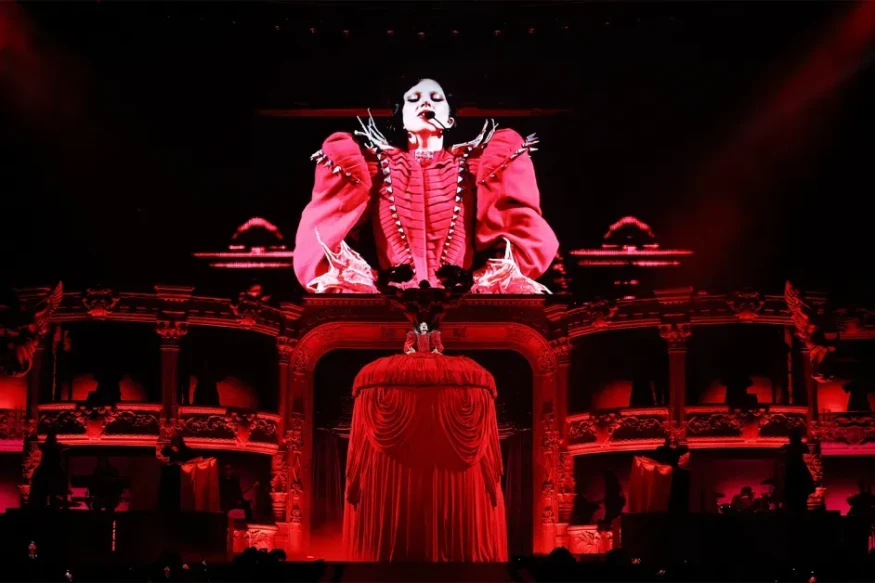
Artistically, The Mayhem Ball also balanced legacy and evolution. Lady Gaga integrated elements from past tours while introducing a more controlled, arena-based production environment. This allowed for greater visual precision, narrative cohesion, and a more immersive audience experience — critical factors in the social media-driven era of live performance.
The shift from stadiums to arenas was particularly strategic. While it reduces raw capacity per show, it increases control over production quality and enhances audience connection — ultimately strengthening the overall brand value of the experience.
In effect, The Mayhem Ball is not just Lady Gaga’s biggest tour — it is a case study in modern touring economics. It demonstrates how scale, scarcity, and storytelling can coexist within a single project, redefining what success looks like in the live music industry.
At a time when the industry is constantly evolving, Lady Gaga remains not only relevant but structurally dominant. And if this tour proves anything, it’s that she is still operating at the very top tier of global pop — both artistically and commercially.