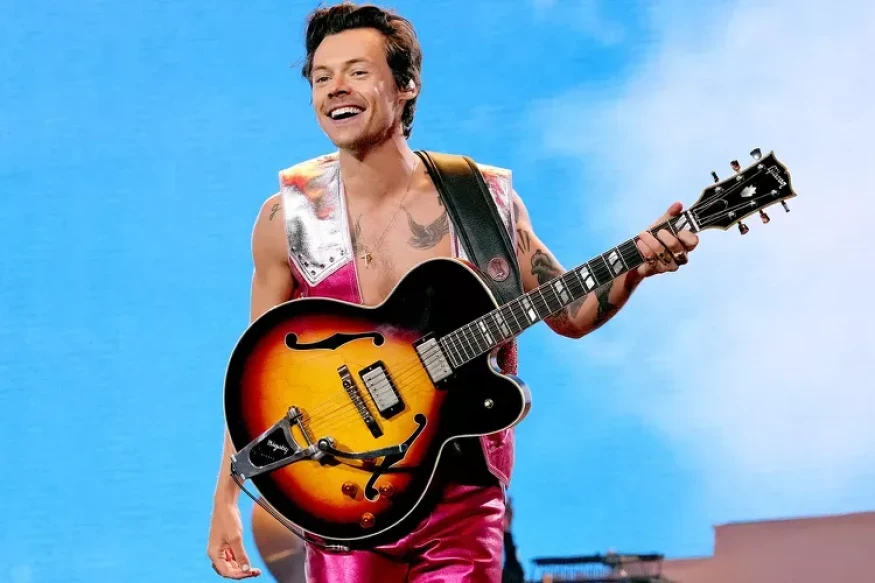
Harry Styles is set to return to the BRIT Awards 2026 with brand-new music, carefully timed just days before the release of his highly anticipated fourth album. The performance is more than a live debut—it marks the opening moment of a new chapter that blends sound, image, and ambition on one of the most iconic stages in British pop culture.
Harry Styles is preparing to step back into the center of pop culture with a move that feels intentional, strategic, and impossible to ignore. His upcoming appearance at the BRIT Awards 2026 is not framed as a simple return to an awards show, but as the official starting point of his next musical era. New music, a new setting, and perfect timing all come together to create a moment designed to leave an impression.
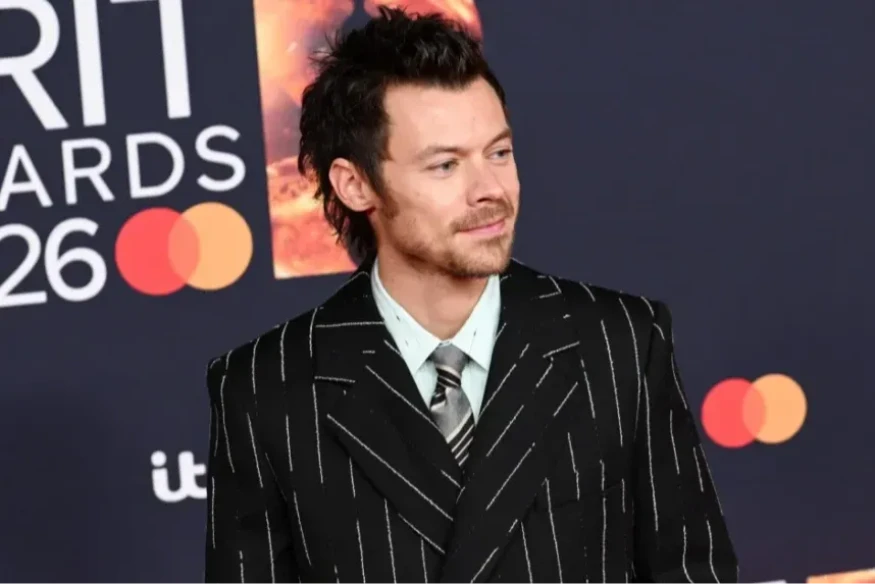
After three years away from the BRITs stage, Harry Styles is making his comeback with the promise of fresh material performed live for the very first time. His last appearance at the ceremony remains one of the most talked-about moments in recent BRIT Awards history, combining critical recognition with a performance that shaped the narrative of that year. This time, the expectations feel even heavier, and the decision to unveil new music in this exact setting suggests a carefully planned return.
The 2026 BRIT Awards already stand apart before a single note is played. For the first time in their history, the ceremony will not take place in London. Instead, the event moves to Manchester, hosted at the newly opened Co-op Live arena. This shift gives the night a fresh identity, and Harry Styles’ presence adds immediate weight to the transition. His performance is not being positioned as a surprise cameo, but as a defining moment of the evening.
Choosing the BRIT Awards as the stage for new music sends a clear message. This is a home-ground statement, a reminder of the role the UK has played in shaping Harry Styles’ career. Returning to this platform after years of global success feels deliberate, grounding his next chapter in a place that understands his evolution from the very beginning.
The timing of the performance is just as important as the location. Harry Styles’ fourth studio album, Kiss All The Time. Disco, Occasionally., is set to arrive in early March, only days after the BRIT Awards. The live debut of new material becomes a bridge between anticipation and release, offering audiences a first emotional connection with the album before it officially drops.
The conversation around the new era has already started with the release of the lead single Aperture. The track opened the door to discussions about sound, mood, and direction, hinting at a disco-influenced palette mixed with mature pop sensibilities. Rather than chasing trends, the song suggests confidence in subtle shifts, showing an artist comfortable exploring movement and restraint at the same time.
By bringing this sound to the BRIT Awards stage, Harry Styles turns the performance into a preview of what lies ahead. It is not just about introducing a song, but about setting the tone for an entire album cycle. The BRITs offer a global audience, making the performance both intimate and expansive in reach.
What follows the awards appearance adds another layer of significance. Shortly after the album’s release, Harry Styles will launch an ambitious tour structured around residencies rather than traditional one-off dates. The plan includes seven major cities worldwide, including London, New York, Amsterdam, Melbourne, and São Paulo, with a total of 50 shows scheduled across the run.
The center of attention within that tour is undeniably Wembley Stadium. Harry Styles is set to perform 12 consecutive nights at the iconic venue, a record-breaking achievement for a solo artist within a single year. This milestone places him ahead of previous benchmarks set by acts like Coldplay and Taylor Swift, reinforcing his position as one of the most powerful live performers of his generation.
Originally, the Wembley residency was planned as a six-night run. Demand quickly changed those plans. Tickets moved at a pace that made expansion unavoidable, leading to the addition of six more dates. The result is one of the most ambitious stadium residencies the UK has ever seen, reflecting not only popularity but long-term audience loyalty.
This level of demand does not exist in isolation. It is built on years of consistent artistic growth, careful image shaping, and a relationship with fans that feels personal rather than manufactured. Harry Styles’ ability to fill massive venues repeatedly speaks to trust as much as fame.
His return to the BRIT Awards arrives at a moment when his identity as an artist feels fully formed. Long removed from his early image as a boy band member, he now operates at the intersection of pop music, live performance, fashion, and storytelling. Each public move feels intentional without appearing forced, balancing control with ease.
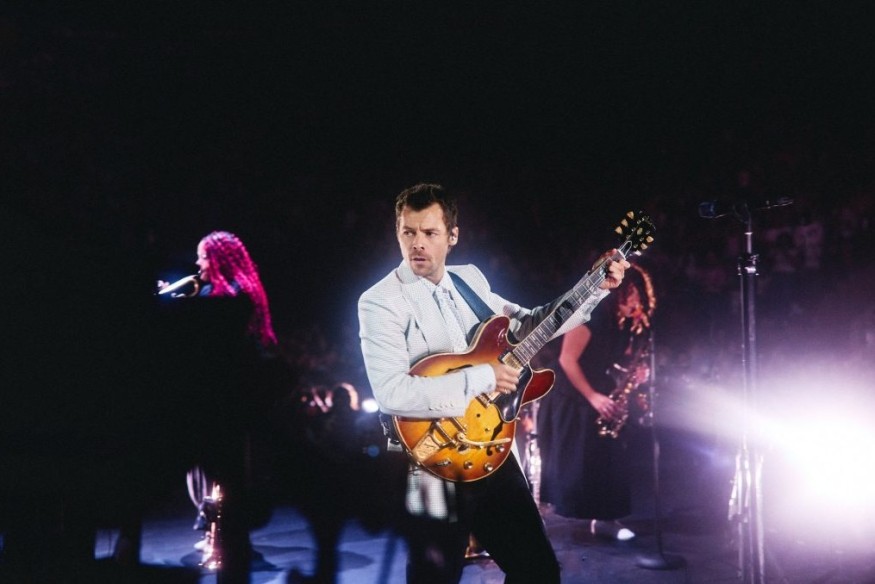
The BRITs performance is expected to reflect that balance. Rather than aiming for spectacle alone, the focus is likely to be on atmosphere, presence, and emotional tone. Fans are not waiting for a loud statement, but for clarity—a glimpse into how this new era sounds and feels when stripped down to a live moment.
Within the industry, the appearance functions as a reminder. Harry Styles remains an artist who understands timing. He knows when to step back and when to return, when to stay quiet and when to command attention. That awareness has become one of his strongest assets.
As the date approaches, conversation continues to build across media and fan spaces. The move to Manchester, the promise of new music, and the proximity to a major album release combine into a narrative that feels cohesive rather than rushed. Everything points toward a carefully staged re-entry.
The BRIT Awards stage has historically been a place where careers pivot, where eras close and new ones begin. By choosing this platform for his next reveal, Harry Styles aligns himself with that tradition, using the moment not for reflection, but for forward motion.
The performance also serves as a point of connection. For fans who have followed him through multiple phases, it represents continuity. For newer listeners, it acts as an entry point into a world already shaped by experience and confidence.
As the night draws closer, the sense is not of a comeback driven by absence, but of a return guided by readiness. Harry Styles is not reintroducing himself. He is expanding the story.
The combination of new music, a historic venue change, and an ambitious touring plan frames the BRIT Awards 2026 as more than an awards show moment. It becomes the first visible step in a chapter designed to unfold across months, cities, and stages.
Harry Styles’ appearance does not aim to surprise. It aims to define. With intention, precision, and a clear understanding of where he stands, he steps back into the spotlight at exactly the moment it matters most.