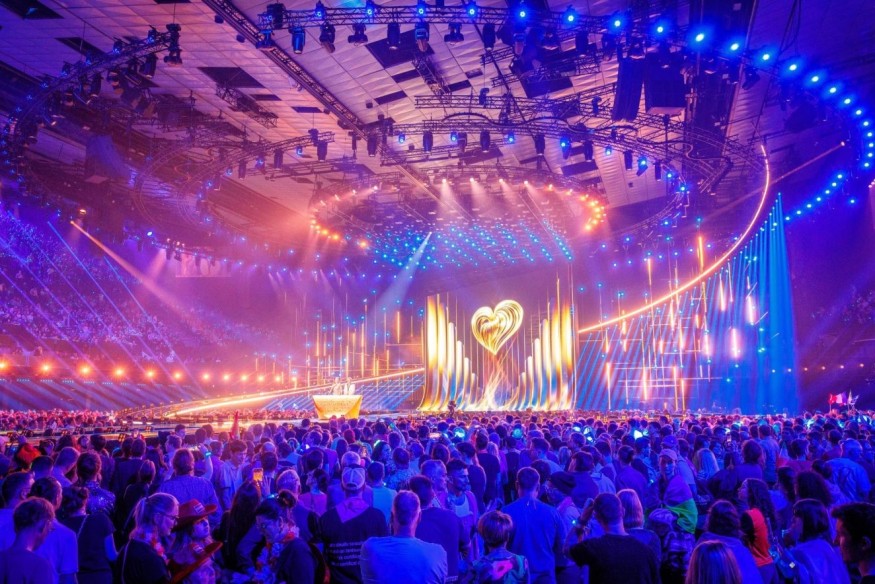
Austria is setting the tone for Eurovision 2026 with a bold promise — a completely uncensored contest. The ORF has confirmed that this year’s show in Vienna will be free from sound manipulation, open to all national flags, and dedicated to authenticity. “The Eurovision Song Contest unites — it doesn’t censor,” organisers said, marking a historic shift for the world’s biggest music event
For the first time in decades, Eurovision is about to sound — and feel — different. Austria, the host nation for Eurovision 2026, has officially announced a radical new approach to the contest, pledging “no artificial sound editing, no censorship, and no restrictions on audience expression.”
The announcement came during a press conference held by Austria’s national broadcaster, ORF, where Executive Producer Michael Krenn declared that “Eurovision is not a stage for silencing — it’s a stage for honesty.” In a statement that resonated across Europe, he added, “Our goal is to present reality as it is — not a polished, filtered version of it.”
This year, for the first time, all official national flags — including the Palestinian flag — will be allowed inside the arena. In addition, no artificial applause or sound masking will be used to cover up audience reactions. If the crowd cheers, boos, or protests, viewers will hear it all, live and unfiltered.
The move represents a complete break from the contest’s past. In recent years, the European Broadcasting Union (EBU) had been criticised for adding synthetic crowd noises or muting real-time audience reactions during politically charged performances. Now, Austria is promising transparency — and fans are calling it “the most real Eurovision ever.”
In an interview with ORF Kultur, Krenn emphasised, “We don’t control how people feel — and that’s the beauty of live music. We want to give the stage back to the artists and the audience.”
Program director Stefanie Groiss-Horowitz backed the decision, confirming that ORF will broadcast the event “exactly as it happens.” She added firmly, “There will be no artificial applause or sound corrections at any point during the show.”
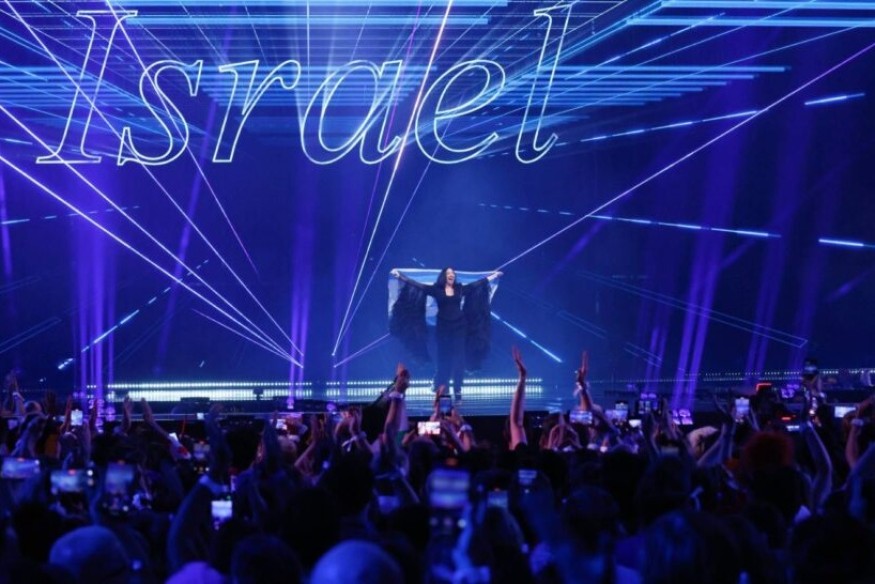
This change comes at a time when Eurovision is facing growing political scrutiny. The 70th anniversary edition, set to take place in Vienna this May, has already seen five countries withdraw in protest over Israel’s participation — including Spain, Ireland, and the Netherlands. Their broadcasters cited humanitarian concerns related to Gaza and accused the EBU of “failing to uphold the contest’s founding values of peace and unity.”
As a result, only 35 countries will compete this year — the smallest number of participants since 2003. Still, organisers insist that the heart of Eurovision remains strong. “We are not here to be a political instrument,” said Krenn. “We are here to celebrate creativity, freedom, and music as a universal language.”
Despite the controversy, public interest remains sky-high. Within hours of ticket sales opening, seats for the Grand Final sold out, with thousands of fans eager to witness what’s being dubbed “the rawest Eurovision in years.”
The Eurovision 2026 schedule is now officially set:
-
First Semi-Final: 12 May 2026
-
Second Semi-Final: 14 May 2026
-
Grand Final: 16 May 2026
Vienna, already known for its rich musical history, is preparing to host one of the most anticipated and politically charged Eurovisions of the modern era. Security measures are being increased around the Wiener Stadthalle, but organisers insist that safety will not come at the cost of freedom. “Expression and respect can coexist,” Groiss-Horowitz said. “That’s the balance we’re striving for.”
The upcoming contest also marks a symbolic turning point for the brand. Eurovision, once a glittering escape from reality, is stepping closer to it — choosing authenticity over perfection. “What you’ll hear is what’s real,” Krenn explained. “We won’t ask the audience to stay quiet or clap on command. Their voices are part of the performance.”
Fans across Europe have applauded Austria’s stance, calling it a “return to Eurovision’s true spirit.” Online forums are buzzing with excitement about the possibility of an event that truly reflects the emotions in the room — both the joy and the tension.
The 2026 edition arrives during a moment of transformation for the contest. Last year’s winner, JJ from Austria, took home the trophy in Basel with the emotional ballad “Wasted Love,” a song that many saw as a metaphor for honesty and human connection — values now reflected in the very structure of the upcoming event.
In contrast to recent controversies, Vienna’s approach aims to recapture what Eurovision once stood for: the celebration of difference, music without filters, and voices without fear.
As Austria prepares to welcome the world, the message is clear — this won’t be another polished TV show. It will be raw, real, and unapologetically human.
Whether loved or criticised, Eurovision 2026 promises to make history — not through special effects or politics, but through truth.
And in a world full of noise, that might just be the boldest statement of all.