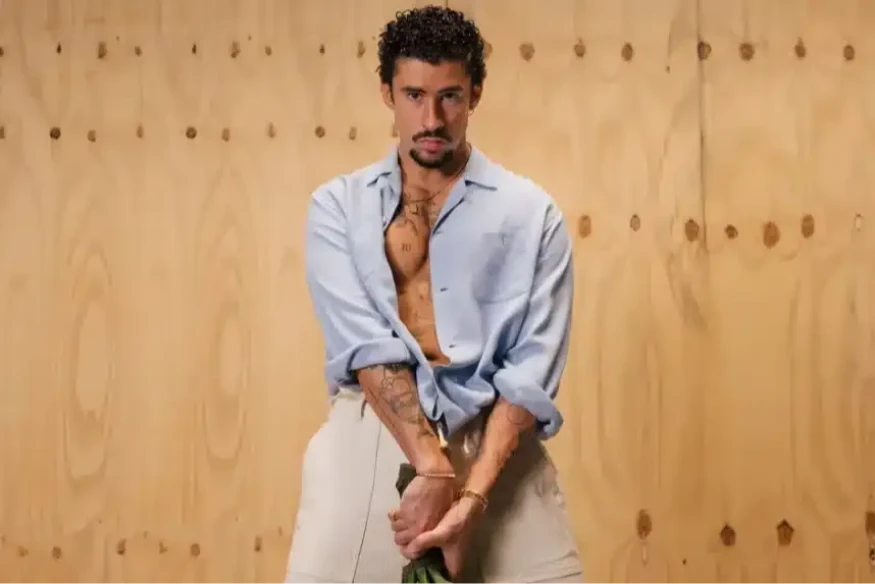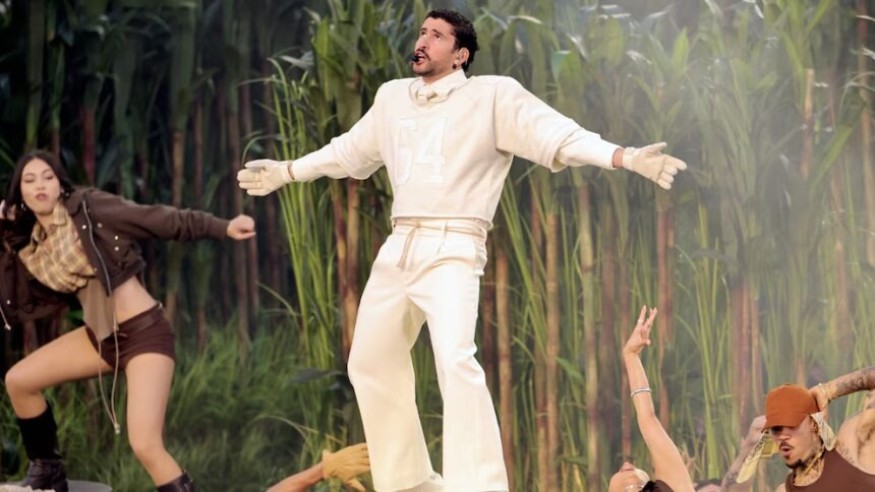
Bad Bunny’s Super Bowl Halftime Show has become the most viewed in history, according to Roc Nation, reaching an astonishing 4.157 billion views within 24 hours. The Super Bowl 2026 performance not only dominated global attention but also boosted Bad Bunny’s presence across the Billboard charts.
The Super Bowl Halftime Show has long been one of the most powerful cultural moments of the year, blending music, sports, and global entertainment into a single stage. In 2026, that moment reached unprecedented scale.
According to Roc Nation, the halftime performance led by Bad Bunny has officially become the most viewed Super Bowl Halftime Show of all time, accumulating an estimated 4.157 billion views in just the first 24 hours.
The figure includes combined television audiences and digital views across multiple platforms, including YouTube and other streaming services. Although detailed breakdowns were not publicly released, the total places the show above every previous halftime performance in terms of immediate global reach.
The televised broadcast alone drew 128.2 million viewers in the United States.
While that number was slightly lower than the previous year’s television audience, the explosion of digital engagement pushed the overall viewership to historic levels. The Super Bowl is no longer simply a television broadcast — it is a global, multi-platform event.
In this environment, Bad Bunny’s performance proved perfectly suited for the modern era.
The show took place at Levi’s Stadium and delivered a visually intense production filled with strong Latin influences, energetic choreography, and large-scale stage design. It functioned not only as a concert but also as a cultural showcase of the artist’s musical identity.
The setlist highlighted the evolution of his career, blending reggaeton rhythms with global pop elements that have helped define his sound.
Beyond the spectacle itself, the halftime performance had immediate impact across the music industry.
Following the Super Bowl appearance, Bad Bunny’s album returned to the top position on the Billboard 200 chart. At the same time, his music climbed back to No.1 on the Billboard Global 200, showing how the so-called “Super Bowl effect” can dramatically boost streams and sales.
Major performances during the halftime show often trigger renewed interest in an artist’s catalog. In this case, the effect was immediate and powerful.
Streaming numbers surged across platforms within hours of the broadcast.
The announcement from Roc Nation emphasized that the 4.157 billion figure reflects total global consumption within the first day after the show aired. That includes television broadcasts, replay views, social media clips, and official digital uploads.
The way success is measured for events like the Super Bowl has changed significantly over the past decade.
In earlier years, the primary benchmark was the television audience. Today, viral clips, streaming views, and online engagement play an equally important role in defining the scale of a performance.
Bad Bunny’s halftime appearance demonstrates just how much the digital ecosystem can amplify a major cultural moment.
The record-setting reach also highlights the growing global influence of Latin music.
Over the past several years, Spanish-language artists have expanded their presence in the mainstream pop market, dominating streaming platforms and global charts. The selection of Bad Bunny as the halftime performer represented another major step in that evolution.
The performance itself reflected this shift.
Rather than adapting his style to fit traditional American pop expectations, the artist leaned into his cultural identity, incorporating Latin rhythms and aesthetics into the production.
That decision helped the show resonate with audiences far beyond the United States.
As co-producer of the halftime show, Roc Nation has played a key role in shaping the modern era of Super Bowl performances. The announcement of a record-breaking viewership number reinforces the brand power of the event while also highlighting the artist’s global appeal.
Although independent verification of the exact view count has not yet been released, the cultural impact of the performance is already clear.
Clips from the show circulated rapidly across social media, generating millions of additional views through fan uploads, commentary videos, and highlight edits.
Within hours, the performance became one of the most discussed entertainment moments of the year.
For many artists, performing at the Super Bowl halftime show represents the peak of their career. For others, it marks the beginning of a new chapter.
In Bad Bunny’s case, it appears to be a powerful confirmation of a dominance that had already been building through years of streaming success, sold-out tours, and chart-topping releases.
The show also carries symbolic significance.
A Spanish-language artist headlining the biggest musical stage in American sports — and setting global viewership records — reflects a major transformation in the structure of pop culture itself.
The 4.157 billion views reported within a single day illustrate how quickly content now travels across the digital world.
Fans no longer experience the halftime show only through live television. They replay clips, share moments on social media, analyze performances, and generate new layers of engagement that extend the life of the event far beyond the broadcast.
In that sense, the halftime show has evolved into a digital phenomenon that continues to circulate long after the final note.
Whether or not the exact numbers are later confirmed by additional sources, the narrative surrounding the performance has already been established.
The Super Bowl Halftime Show of 2026 will likely be remembered as one of the defining live music moments of the decade — and as the night when Bad Bunny turned a global stage into a record-breaking cultural event.