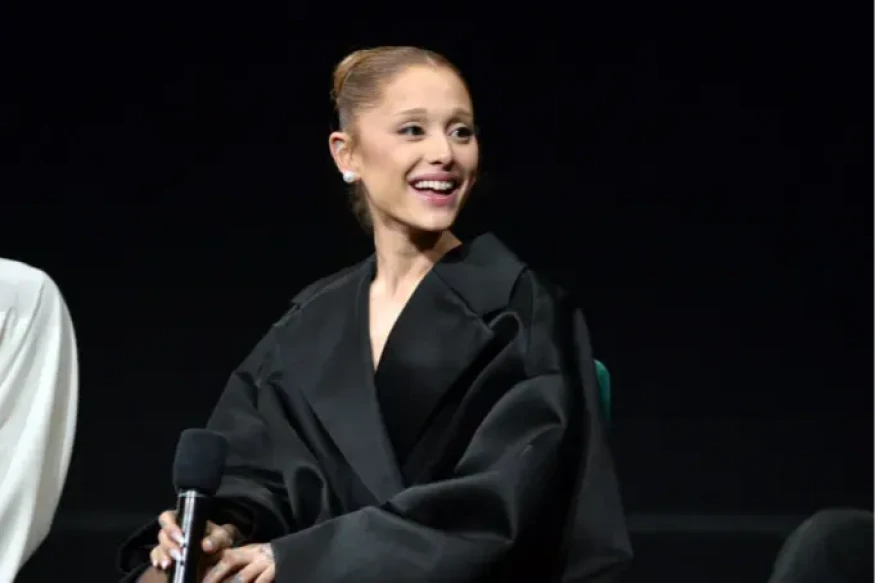
Ariana Grande plans to step back from public appearances after completing the “Eternal Sunshine Tour” in London on September 1. Following months of intense attention and constant criticism surrounding her appearance, the singer is choosing a much-needed break and has withdrawn from the West End revival of “Sunday in the Park With George.” Her new album “Petal” now gives that decision an even more personal meaning.
Ariana Grande is stepping away from public life at a moment when most artists would be expected to stay visible. Her “Eternal Sunshine Tour” is moving toward its final night on September 1 in London, and the official message from her team makes it clear that the pause is not connected to poor sales, a troubled production or a loss of interest from fans. The tour has been described as a joyful experience that Grande has loved. The decision comes because she wants to stop before the success, attention and constant public judgment turn another major chapter into something damaging.
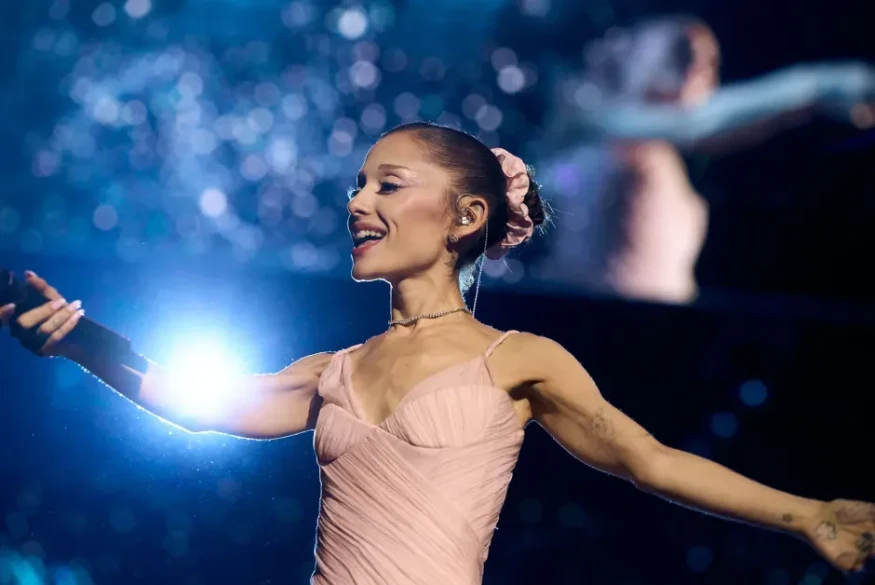
Before the final show, Grande will perform three nights in Chicago and then complete a 10-concert run in London. It is an intense final stretch for a tour that has placed her music back at the center of pop culture while also increasing the attention around her body, appearance and private life. Every new photo, stage outfit and public appearance has created another round of online discussion, often moving far beyond the music she is actually presenting.
The statement released on her behalf says Grande wants to finish the tour healthy, happy and proud of the experience. After the final concert, she plans to take a break from public appearances and professional commitments that require a constant presence in front of cameras. The reason is direct: months of nonstop observation and criticism have become exhausting. She is choosing distance before that pressure becomes even harder to manage.
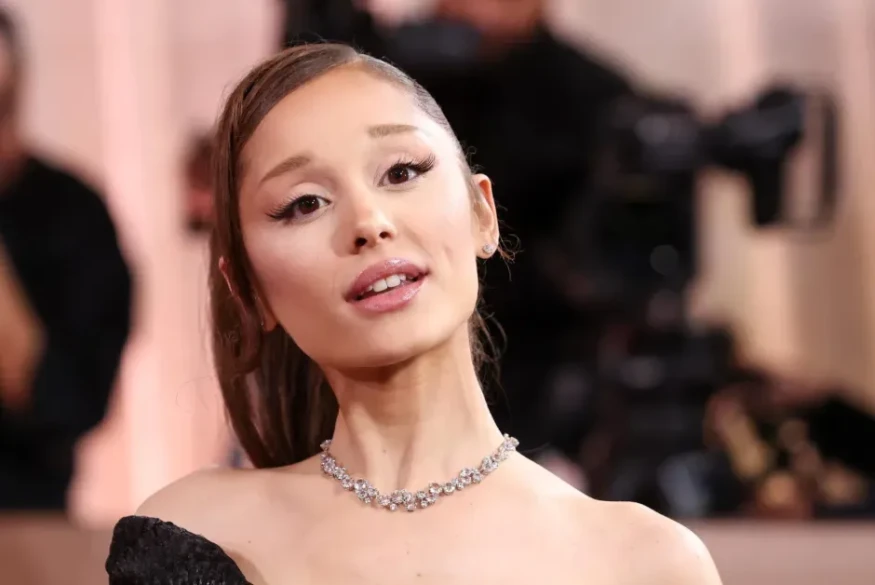
What has worn Ariana Grande down is not simply the normal workload of being famous. It is the feeling that every change in her appearance becomes public property. A photograph is examined like evidence. Her body is compared with older versions of itself, and strangers speak with complete confidence about her health despite having no real information. Even comments presented as concern can repeat the same problem by treating her body as something the public has a right to review.
That pressure has already entered her new music. The video for “Petal” turns years of judgment into a violent and darkly playful fantasy. Grande is shown facing the people who criticize her, while a chainsaw pushes the visual far away from the image of a fragile pop star expected to answer every comment with patience. The scene is exaggerated, but the anger behind it feels real. It translates emotional exhaustion into a piece of pop cinema that refuses to remain polite.
The notes shown in the video reveal the impossible standard surrounding her. She is told to change, then criticized for changing too much. She is described as not attractive enough, then judged for no longer looking exactly as she did in the past. There is no correct version of Ariana Grande inside that system because the goal is not to reach a fair or stable standard. The goal is to keep her in a permanent cycle of explanation and apology.
“Petal” arrived only days before news of the break, giving the album a different emotional weight. It no longer feels like only the start of a new era. It now also sounds like the record released just before Grande decided to step away. The title track, the second song being officially promoted from the album, brings together softness and anger in a way that reflects the wider project. A petal may look delicate, but the video rejects the idea that sensitivity means weakness.
The album’s first single, “Hate That I Made You Love Me,” debuted at No. 1 on the Billboard Hot 100. That success makes the timing of the pause even more striking. Grande is not leaving because her audience has disappeared or because her latest music failed to connect. She is choosing to reduce her visibility while she remains commercially powerful. The move feels less like retreat and more like an attempt to protect herself before another successful period demands more than she is willing to give.
For years, the music industry treated breaks as a sign that something had gone wrong. Artists were encouraged to use every moment of momentum, release more material, appear everywhere and never allow public interest to cool. Social media made that expectation even more intense. Visibility became an everyday responsibility, and silence began to look like a risk. Grande now appears willing to accept that risk rather than remain trapped inside an endless cycle of content, promotion and public reaction.
Her withdrawal from the London revival of “Sunday in the Park With George” is the clearest sign that this is not a minor schedule adjustment. Grande had been expected to star opposite Jonathan Bailey in the West End production, which was due to open the following summer. The pairing would have reunited two of the biggest names connected to the recent “Wicked” success in one of Stephen Sondheim’s most respected musicals.
Leaving that production carries real professional weight. Grande is not simply reducing interviews or delaying a few appearances. She is giving up a major theater opportunity that could have expanded the stage side of her career. After the attention surrounding “Wicked,” the role would have felt like a natural next step. Her decision shows that personal protection is being placed above the normal career logic that says every important opportunity must be accepted.
Grande’s connection to musical theater has always been a meaningful part of her identity. “Wicked” returned that side of her career to the public in a major way, and “Sunday in the Park With George” could have continued the momentum. Walking away suggests that she understands something the industry often ignores: an exciting project can still arrive at the wrong time. The size of the opportunity does not remove the cost of preparing, rehearsing and living under another long period of attention.
The public conversation around her appearance has often taken on an almost medical tone. People compare images, create theories and speak as though they have access to private health information. They do not. Yet the lack of facts rarely slows the discussion. Grande has previously asked people to be more careful when talking about other people’s bodies, explaining that the version of her body some fans praised was connected to a difficult period in her life.
The conversation continued anyway. That history helps explain why this break feels different from another request for kindness. Grande is no longer only asking the public to change its behavior. She is changing her own level of access. By stepping back from appearances, she removes herself from some of the spaces where the same comments are repeatedly created and shared.
There is a sharp contrast between the control Grande has on stage and the lack of control she faces outside it. During a concert, she controls the voice, lighting, movement and emotional direction of the night. Outside the venue, one unplanned photograph can take over the conversation for days. The break may be an attempt to regain control not just over her schedule, but over how often her image is made available for public inspection.
Her decision does not mean she will completely disappear. Fans are still expected to see her in “Focker-in-Law,” scheduled for release on November 25. The comedy continues the “Meet the Parents” series and also stars Ben Stiller and Robert De Niro. That project has already been completed, which means its release does not require Grande to immediately begin another long cycle of filming and public work.
It remains unclear how long the pause will last. That uncertainty may be necessary. A break with a fixed end date can quickly become another countdown, with the return already being planned before the rest has even begun. Grande appears to want time that does not immediately have to produce another album, movie, tour or theater role. The absence itself may be the point.
Until September 1, the “Eternal Sunshine Tour” continues. The remaining Chicago dates and 10 London shows will bring the era to a close while Grande is still actively connected to the audience that has followed it. She wants to leave the stage feeling healthy and happy rather than waiting until the demands become impossible to ignore.
After the final applause, the real test will move beyond Ariana Grande herself. The question will be whether the entertainment industry, media and fans can respect the distance she is asking for. Grande has spent years being watched, discussed and interpreted from every angle. Her next chapter begins not with another announcement or performance, but with the decision to become less available and to see whether the world can accept that silence without turning it into another spectacle.