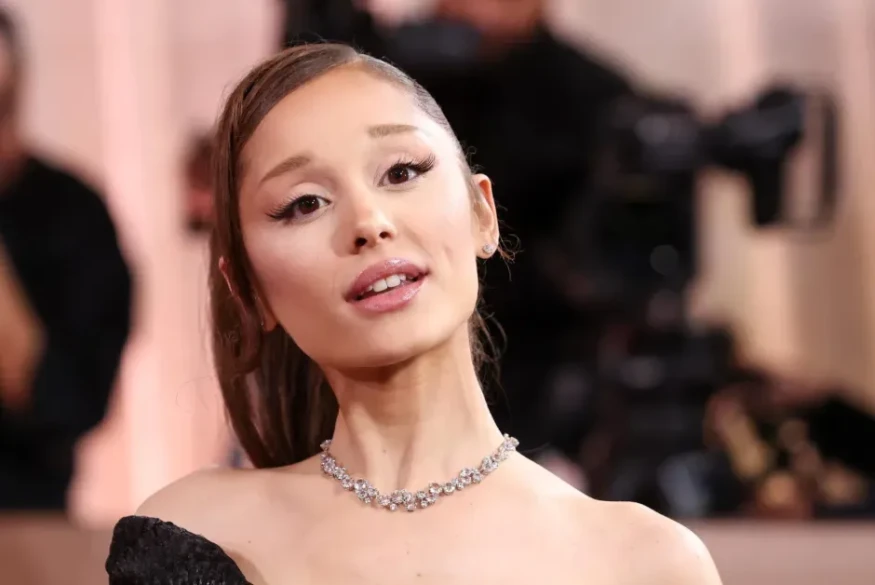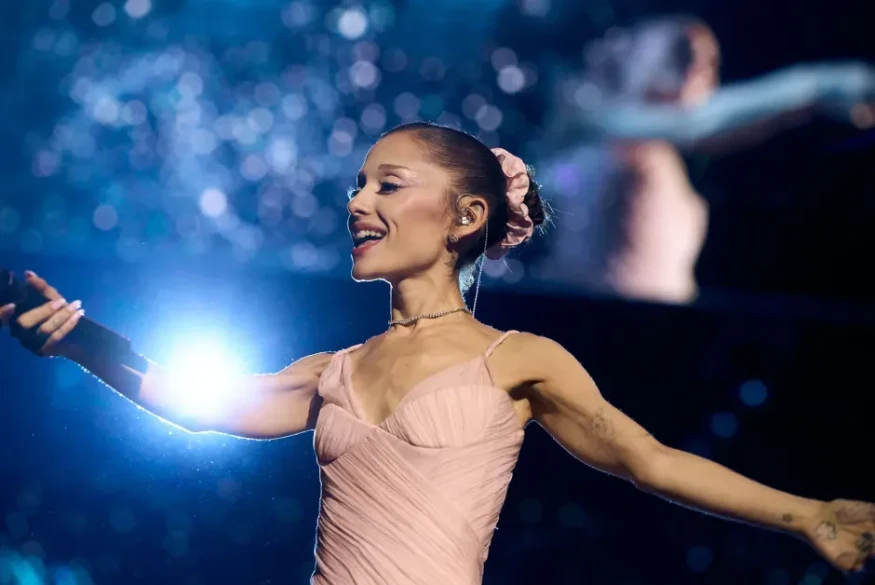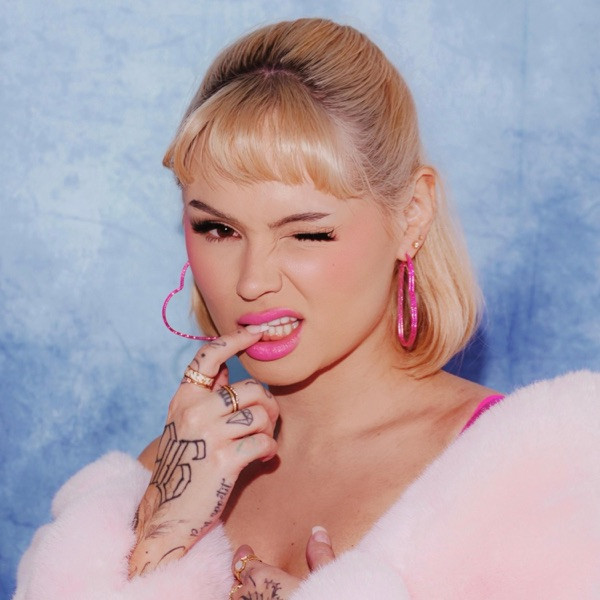
Ariana Grande is taking a major legal step after claiming that hackers stole and shared dozens of unreleased songs, private photos, videos, and creative files over many years. The lawsuit aims to uncover the people behind the repeated cyberattacks, arguing that the leaks caused lasting damage to her artistic work, personal privacy, and ability to control how her music reaches fans.
For most music fans, hearing an unreleased song can feel like finding hidden treasure. A demo, an early version of a favorite track, or a behind-the-scenes studio clip often spreads across social media within minutes, creating excitement long before an official release arrives. But for the artist behind that material, the story can look very different. What many listeners see as an exclusive preview may actually represent a serious breach of trust, privacy, and creative control.
That is the center of Ariana Grande's latest legal battle. The global pop star has filed a lawsuit against unknown hackers, claiming they repeatedly stole and distributed private creative material that was never meant to be seen by the public. According to the legal filing, the campaign has stretched across more than a decade, affecting not only her own digital files but also people working closely with her, including producers, photographers, and other members of her creative team.
Instead of targeting identified individuals, the lawsuit currently names anonymous "John Doe" defendants. The goal is clear: use the legal system to uncover the identities hidden behind online accounts, encrypted services, and digital networks that allegedly played a role in stealing and sharing confidential material. If successful, the case could eventually move from anonymous accusations to direct legal action against the people responsible.
The claims describe a problem that goes far beyond a handful of leaked songs. Ariana Grande's legal team says hundreds of private files have been compromised over the years, including unfinished recordings, production sessions, demos, personal photographs, and videos that captured moments never intended for public viewing. These were not finished products waiting for release. Many represented ideas still evolving, songs still being shaped, and creative concepts that might never have reached an audience under normal circumstances.
For musicians, the studio is often the safest place to experiment. Artists record different melodies, rewrite lyrics, test new sounds, and abandon countless ideas before choosing what finally appears on an album. Fans usually experience only the polished result. Everything that comes before that moment is part of an intimate creative journey that remains hidden for a reason.
When unfinished work suddenly appears online, that process changes completely. Listeners may judge an early demo as though it were a completed song. Conversations begin around music that the artist may never have intended to release. Expectations shift, rumors spread, and the original plan surrounding an album can quickly disappear. What should have been a carefully planned rollout becomes an uncontrolled public event.
For someone like Ariana Grande, every project is built with careful attention to timing. Music videos, cover artwork, promotional campaigns, interviews, live performances, and single releases are usually designed to tell one connected story. Every decision contributes to the larger identity of an album era. An unexpected leak can interrupt that strategy overnight, removing the artist's ability to decide when fans experience new music for the first time.
According to the lawsuit, one of the most significant incidents reportedly happened in 2023, when dozens of unreleased songs were allegedly stolen and later circulated online. The material reportedly included much more than finished recordings. Early demos, unfinished mixes, production files, alternate versions, and work-in-progress sessions were all said to be part of the leak, exposing parts of the creative process that are normally seen only by a trusted inner circle.
The legal filing also suggests that these incidents were not isolated events. Instead, Ariana Grande's team argues that the attacks followed a pattern extending back to 2011. Over the years, different digital intrusions allegedly resulted in private material reaching online communities where unreleased content is bought, traded, and shared between collectors.
That broader picture may be one of the most important parts of the lawsuit. Rather than describing a single cyberattack, the case presents an ongoing effort to gain access to valuable material connected to one of the world's biggest pop stars. As Ariana Grande's popularity continued to grow, so did the value of every unreleased recording, private image, or behind-the-scenes video connected to her career.
The complaint also claims that hackers did not necessarily target Ariana Grande directly every time. Instead, investigators believe people working alongside her became entry points into the wider creative network. Photographers, producers, collaborators, and other professionals often store valuable files while working on major projects. If one account or device becomes compromised, hackers may gain access to far more than originally expected.
This reflects a growing reality throughout the entertainment industry. Today's biggest music projects rarely exist on one computer. Files move between recording studios, production teams, photographers, video editors, graphic designers, marketing departments, and record labels. While that collaboration allows artists to create ambitious projects, it also creates more opportunities for cybercriminals searching for weak points.
The lawsuit reportedly argues that stolen material eventually appeared for sale through hidden online marketplaces, where unreleased content can attract significant prices depending on the artist involved. For major global stars, even a single unreleased recording can become highly valuable among collectors hoping to obtain exclusive content before anyone else.
Unlike physical theft, digital theft often leaves creators facing a very different challenge. A stolen painting or instrument exists in one place. A leaked audio file can instantly appear on thousands of devices around the world within minutes. Even if original uploads are removed, copies frequently continue circulating across private groups, cloud storage services, and file-sharing platforms, making complete removal almost impossible.
According to the legal complaint, Ariana Grande believes the damage extends well beyond financial losses. Her attorneys argue that repeated digital intrusions affected her privacy, her professional reputation, and perhaps most importantly, her ability to decide how her own work should be presented to the world. In today's entertainment industry, creative control is often as valuable as the music itself, and unexpected leaks can permanently change how a project is received.
The emotional impact of years of digital breaches may also be impossible to measure. Creating music requires trust—trust between artists, producers, engineers, photographers, and countless other collaborators. Every unreleased recording exists inside a protected environment where ideas can develop without outside pressure. If artists begin worrying that every recording session could eventually become public without permission, that sense of security starts to disappear.
For performers at Ariana Grande's level, every album launch is carefully planned months in advance. Singles are selected strategically, visuals are created to match the music, promotional schedules are coordinated globally, and every announcement is timed to maximize its impact. An unexpected leak can instantly disrupt that process, forcing artists and record labels to change release dates, marketing campaigns, or even entire creative directions.
The lawsuit suggests that hackers allegedly understood exactly how valuable this material could become. Unreleased music, exclusive photographs, backstage videos, and production files often gain enormous interest online simply because they are unavailable through official channels. That exclusivity creates demand, turning stolen digital files into products that can reportedly be traded or sold within private online communities.
This growing underground economy has become an increasing concern across the entertainment industry. Major artists, actors, filmmakers, and content creators have all faced situations where confidential material surfaced online before official release. While technology has made collaboration easier than ever, it has also created new challenges in protecting creative work from organized cybercrime.
Ariana Grande's legal team argues that this case should not be viewed simply as another copyright dispute. Instead, they describe it as a broader issue involving unlawful access to private digital systems, unauthorized possession of confidential property, and repeated invasions of personal privacy. By pursuing several legal claims rather than relying on copyright law alone, the lawsuit emphasizes that the alleged misconduct began long before any files appeared online.
One important objective of the case is identifying the individuals behind anonymous online activity. Modern cyber investigations are rarely simple. Digital trails often pass through multiple countries, anonymous accounts, encrypted messaging platforms, virtual private networks, and cloud services designed to protect user identities. Finding the people responsible can require cooperation between internet service providers, technology companies, and law enforcement agencies.
That is why the current lawsuit focuses heavily on discovery. Ariana Grande is asking the court for permission to obtain information from third parties that may help identify the anonymous defendants. While that process can take time, it provides legal tools unavailable outside the courtroom, potentially allowing investigators to connect digital evidence with real individuals.
If the court grants those requests and meaningful evidence is uncovered, the case could move into a new phase where specific defendants are officially named. That would significantly change the legal landscape, transforming anonymous allegations into direct claims against identifiable people.
The outcome may also influence how similar cases are handled in the future. Entertainment companies have spent years investing in stronger cybersecurity systems, stricter internal policies, and secure methods of sharing sensitive creative material. However, hackers continue finding new ways to exploit human error through phishing attempts, compromised passwords, and attacks targeting people connected to high-profile productions rather than the celebrities themselves.
For fans, the lawsuit also raises difficult questions about the culture surrounding unreleased music. Many listeners genuinely enjoy discovering demos or alternate versions because they offer a rare look inside an artist's creative process. Yet those recordings often exist only because someone illegally obtained access to private material. Every leaked song carries a story that begins long before listeners press play.
Ariana Grande's legal action appears to challenge that entire cycle. Rather than accepting leaks as an unavoidable part of global fame, she is attempting to push back against the systems that make them possible. By seeking the identities of those allegedly responsible, the lawsuit sends a message that unauthorized access to private creative work should carry real consequences, regardless of how famous the victim may be.
The broader significance reaches beyond one artist or one collection of leaked songs. As musicians increasingly build careers inside digital studios connected through cloud technology, protecting unreleased work has become one of the industry's biggest ongoing challenges. Every demo, voice memo, production session, photograph, and concept file represents not just intellectual property but also countless hours of artistic effort that deserve protection.
For Ariana Grande, the lawsuit marks an effort to reclaim ownership of her creative journey. Whether the investigation ultimately identifies those responsible remains to be seen, but the legal filing reflects a clear determination to protect both her personal privacy and the creative decisions that shape every chapter of her career. As the court process moves forward, attention will likely remain focused on whether digital evidence can finally reveal the people allegedly operating behind years of anonymous online attacks.