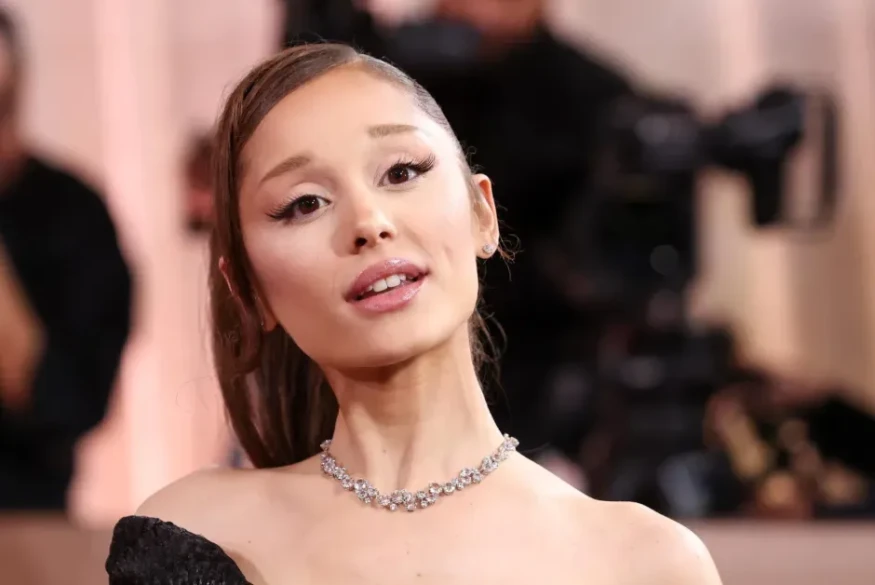
Ariana Grande has released “Petal,” her eighth studio album, and this time she sounds far less interested in protecting anyone from what she really feels. The 12-track record was born from what Grande has described as “unfiltered anger,” moving beyond the softer glow of “Eternal Sunshine” into something more direct, personal and determined to take back control of her own story.
Ariana Grande has reached a point in her career where she no longer seems interested in softening every feeling before sharing it. On “Petal,” her eighth studio album, the pop star sounds less concerned with keeping the peace and more focused on saying exactly what has been sitting underneath the surface. The 12-track record arrives after years of intense attention around her music, relationships and public image, and Grande has already described the project as coming from a place of “unfiltered anger.” That phrase turns out to be more than a dramatic teaser. It is the emotional engine behind an album that feels sharper, more personal and much less willing to let other people define her story.
Released on July 31, “Petal” opens a new chapter after the softer glow of “Eternal Sunshine.” Until now, fans had officially heard only “Hate That I Made You Love Me,” the June single that debuted at No. 1 on the Billboard Hot 100 and gave Grande her tenth chart-topper. She had also teased vocals from “Oh Well” and “Freak,” while the title track received an early live moment during an “Eternal Sunshine” tour stop in Montreal. Those previews hinted at the sound, but they did not fully reveal how emotionally direct the full album would be.
That emotional direction becomes clear very quickly. Grande is not using anger as a visual idea or a clever marketing theme. She is using it as a way to take control of a story that has often been told around her rather than by her. For years, almost every major change in her personal life has created a second public narrative made up of headlines, speculation, fan theories and opinions from people who only see fragments. “Petal” feels like the point where she stops trying to quietly coexist with that noise.
There has always been a tension inside Ariana Grande’s public image. On one side is the polished pop star: huge vocals, carefully built melodies, sleek styling and a level of control that made her instantly recognizable. On the other is the person whose private life has repeatedly become public entertainment. Relationships, breakups, rumors and major life choices have often been discussed with a level of intensity that can make the music feel almost secondary. On “Petal,” those two sides finally meet in a less comfortable way.
The album does not sound like Grande is trying to prove everyone wrong. That would be too simple. Instead, she seems tired of acting as if none of the commentary has affected her. The anger is not presented as something embarrassing that needs to be softened before the listener can accept it. It sits next to sadness, tenderness and vulnerability without apology. That shift gives the record much of its power. Grande can still sound delicate while being furious, and she does not need to choose one emotion over the other.
Even the title “Petal” plays with that contrast. A petal suggests softness, beauty and something easy to damage. The emotional world of the album is much less gentle. There is frustration, disappointment and the feeling of finally saying things that may have been held back for too long. Grande seems fully aware of the contradiction. She does not have to become harder, colder or less feminine to express anger. The softness and the sharpness can exist in the same place.
That idea feels especially important in pop music, where female artists are often expected to make anger attractive. It can be witty, stylish, danceable or ironic, but it is usually easier for audiences to accept when it arrives in a polished form. Grande appears less interested in making the listener comfortable this time. The emotion remains wrapped in strong production and precise vocals, but the message underneath is more direct. She is not asking for permission to be upset.
“Hate That I Made You Love Me” offered the first clear sign of that mood. Its No. 1 debut proved that fans were ready to follow Grande into a more pointed emotional space. Within the full album, though, the song takes on a different role. It no longer feels like one isolated confession. It becomes part of a wider picture of someone looking at love, blame, resentment and self-protection from several angles.
“Petal” arrives two years after “Eternal Sunshine,” the 2024 album that spent three weeks at No. 1 on the Billboard 200 and produced the chart-topping singles “Yes, And?” and “We Can’t Be Friends (Wait for Your Love).” Grande later returned to that project with an expanded edition featuring five additional tracks and a short film. “Eternal Sunshine” already contained personal tension and moments of self-examination, but its mood often turned inward. “Petal” feels more willing to look outward as well.
That difference changes the tone. Grande is not only asking what she feels or what she could have done differently. She is also looking at the environment around her: the people who speak about her, the stories that grow beyond her control and the strange distance between a real life and the version of that life that exists online. Fame creates a second identity, one built by headlines, clips and reactions. “Petal” sounds interested in what happens when that second identity becomes too loud to ignore.
The timing also matters because Grande’s career now stretches far beyond pop music. “Wicked” brought her back into the center of film and musical-theater conversations and strengthened an acting career that no longer feels like a side project. She is moving between recording studios, concert stages and film sets with a level of freedom that gives her more room to take risks. She no longer needs every musical era to protect the exact same version of Ariana Grande.
That may be one reason “Petal” feels so confident. It does not sound like an album made by someone worried that one sharp turn could damage everything she has built. Grande is in a position where she can be more difficult, more exposed and less eager to please without losing the foundation of her career. That freedom gives the record a different kind of energy. She can allow anger to remain messy instead of turning it into a neat lesson.
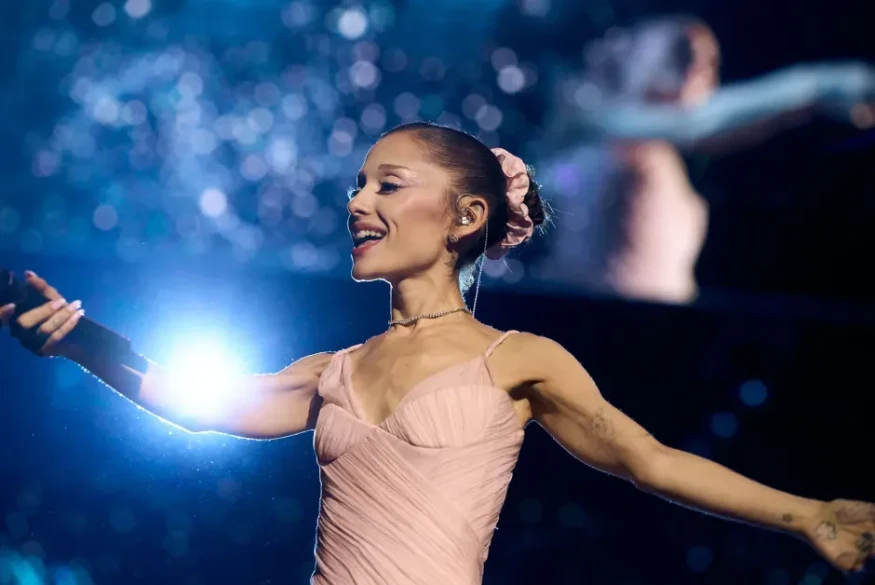
The album also arrives while the “Eternal Sunshine” tour is still moving forward, creating an unusual overlap between two eras. Grande is already more than halfway through the tour, and it remains possible that additional “Petal” songs could enter the set as the shows continue. The run is scheduled to end with 10 performances at London’s O2 Arena, giving her a natural bridge between the world of the previous album and the one she has just opened.
After that, acting will move back into focus. “Focker-in-Law” is expected in November, and in 2027 Grande is set to appear with Jonathan Bailey in a West End production of “Sunday in the Park With George.” The schedule makes this one of the most varied periods of her career. Music is still central, but it is no longer the only place where she can define herself creatively.
That wider artistic life also changes how “Petal” lands. The album does not feel like a desperate attempt to rewrite her public image. Grande has less reason than ever to chase one fixed identity. She can be a pop singer, an actor, a stage performer and a songwriter without forcing those roles into one perfectly consistent package. The new album benefits from that freedom because it allows her to sound emotionally complicated without worrying about whether every track supports a simple brand.
Words like “authentic” are used so often in pop that they can become almost meaningless. Here, authenticity does not mean stripping away production or abandoning the vocal control that defines Grande’s music. It means allowing emotions that may once have stayed behind the curtain to move into the center. The songs can still be beautifully produced while carrying frustration, resentment and exhaustion.
That is where “Petal” separates itself most clearly from some of her earlier work. Anger does not cancel tenderness. Vulnerability does not mean passivity. Elegance does not require silence. Grande can sound graceful and still refuse to make her feelings easier for other people to digest. That small change in perspective gives the album a more adult tension than a simple revenge record ever could.
For years, Ariana Grande has listened while other people tried to explain who she was, what she felt and why she made certain choices. “Petal” sounds like a refusal to leave that space open any longer. It is not a collection of public replies and it does not need to name every person or rumor that may have fed its emotional world. The point is more personal than that. Grande is choosing to speak before someone else turns her silence into another story.
As the “Eternal Sunshine” tour continues and the new material begins to find its place with fans, “Petal” is positioned as more than a follow-up album. It marks a shift in how Grande wants to be heard. The softness is still there, but now it sits beside anger without apology. The beauty remains, but it no longer has to hide the discomfort underneath. This time, Ariana Grande is not trying to make every feeling easier to accept. She is simply putting it into the music and letting the next chapter unfold from there.