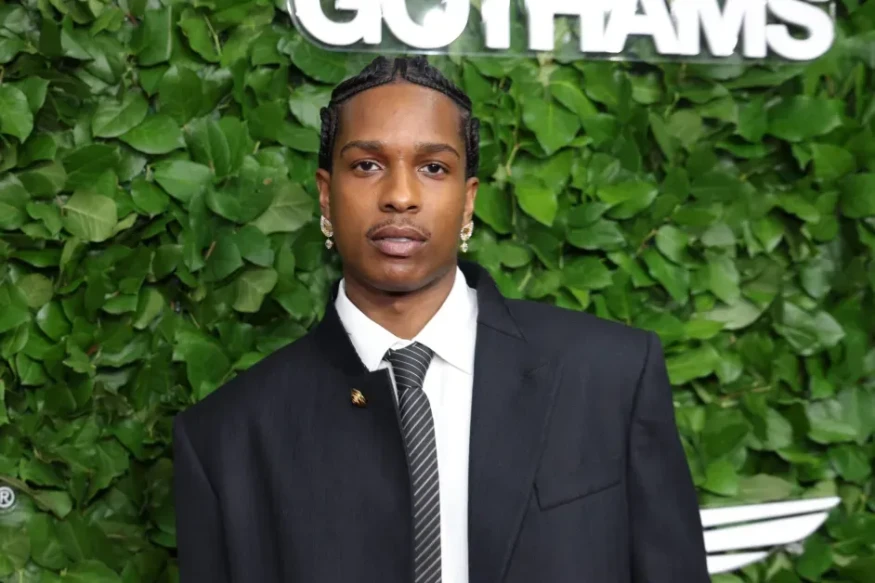
A$AP Rocky is no longer making headlines only for music, fashion, or culture. A growing conversation places his name next to the New York mayor race in 2029, blending politics with lifestyle, pop culture, and real city issues in a way that feels unexpectedly serious.
The idea of A$AP Rocky stepping into the race for New York mayor in 2029 has moved beyond rumor and into everyday conversation. What started as a surprising talking point is now circulating through media outlets, social feeds, and street-level discussions across the city. This is not framed as a joke or a headline designed to shock. Instead, it reflects a wider shift in how influence, leadership, and representation are being redefined in modern urban life.
For many New Yorkers, the thought of A$AP Rocky running for New York mayor connects directly to his roots. He grew up in the city, experienced its pressure, and navigated its challenges long before global fame arrived. That background matters in a place where authenticity is often valued more than formal titles. The A$AP Rocky New York mayor conversation feels grounded in lived experience rather than distant ambition.
What keeps the discussion alive is how naturally his name fits into real concerns. Streets in need of repair, unreliable transit, rising rent, and everyday quality-of-life problems dominate daily life in the city. When A$AP Rocky speaks about these issues, the tone feels familiar, not rehearsed. He sounds like someone who has waited for late trains, walked uneven sidewalks, and watched neighborhoods change faster than residents can keep up.
The timing also plays a role. New York is in a period of reflection, searching for voices that feel connected to its present reality. In that climate, the idea of A$AP Rocky New York mayor 2029 doesn’t sound as extreme as it might have a decade ago. His presence in the conversation reflects a growing desire for leadership that understands culture as much as policy.
One reason this scenario resonates is that A$AP Rocky is not a product of political institutions. His career was built through creativity, independence, and risk-taking. For some, that distance from traditional power structures is exactly what makes him appealing. The thought of an outsider entering city leadership sparks curiosity, especially among younger residents who feel disconnected from conventional politics.
Lifestyle and image are inseparable from his public identity. A$AP Rocky’s influence stretches far beyond music into fashion, design, and global culture. That visibility gives the A$AP Rocky New York mayor idea international reach, turning local politics into a story watched well beyond city borders. In a global city like New York, that kind of attention is not seen as a drawback by everyone.
At the same time, the conversation is not built only on image. Supporters often point to his understanding of opportunity gaps and the struggle of starting from nothing. Jobs, creative spaces, and support for young people trying to build stable futures are themes frequently associated with his story. The A$AP Rocky New York mayor discussion leans heavily on the belief that he understands ambition because he lived it.
Daily life in the city has become more demanding, especially for those at the bottom of the income ladder. Transit costs rise, public services feel stretched, and housing remains out of reach for many. When A$AP Rocky addresses these realities, the tone is less political and more personal. That relatability is central to why the idea of A$AP Rocky New York mayor continues to circulate.
Skepticism exists, and it is not quiet. Critics question whether cultural influence can translate into effective governance. Running a city as complex as New York requires endurance, expertise, and constant negotiation. These doubts are part of the conversation and add to its seriousness. The fact that people debate his readiness rather than dismiss the idea entirely signals how far the discussion has come.
The year 2029 may feel distant, but political narratives often take shape long before campaigns begin. The repeated mention of A$AP Rocky New York mayor 2029 suggests a slow-building storyline rather than a sudden announcement. It allows space for the idea to mature, evolve, or even fade, depending on how the city and the artist move forward.
Meanwhile, A$AP Rocky remains active creatively. His return to music after a long break has kept his cultural relevance strong. That balance between artistic work and public commentary strengthens the sense that he is not retreating into celebrity isolation. Instead, he appears engaged with the world around him, reinforcing the credibility of the A$AP Rocky New York mayor narrative.
New York has a long history of unconventional figures shaping its identity. From artists to activists, voices from outside formal systems have often influenced the city’s direction. Within that context, imagining A$AP Rocky New York mayor feels less radical and more reflective of the city’s evolving character.
Social media plays a major role in sustaining the conversation. Clips, quotes, and casual remarks are shared and analyzed, keeping his name tied to civic topics. Each mention reinforces familiarity, making the idea of A$AP Rocky New York mayor feel increasingly normal rather than shocking.
The discussion also highlights a broader shift in public expectations. Many residents are less interested in polished speeches and more drawn to figures who speak plainly about everyday problems. In that environment, cultural figures who understand public sentiment gain political relevance, whether they seek it or not.
Even if a formal campaign never materializes, the influence is already visible. The presence of A$AP Rocky in civic conversations shapes how people think about leadership and representation. The A$AP Rocky New York mayor idea functions as both a possibility and a symbol of changing times.
As the city continues to evolve, so will the narratives surrounding who can lead it. For now, A$AP Rocky New York mayor 2029 remains an open question, fueled by curiosity, debate, and a genuine desire for voices that reflect the city’s complexity. Whether as a candidate or a powerful cultural figure, his role in shaping the future conversation of New York feels far from over.